Max Grossman
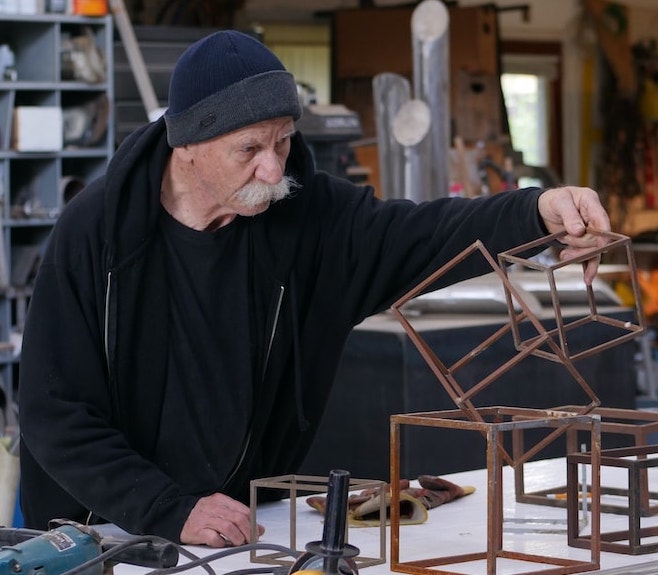
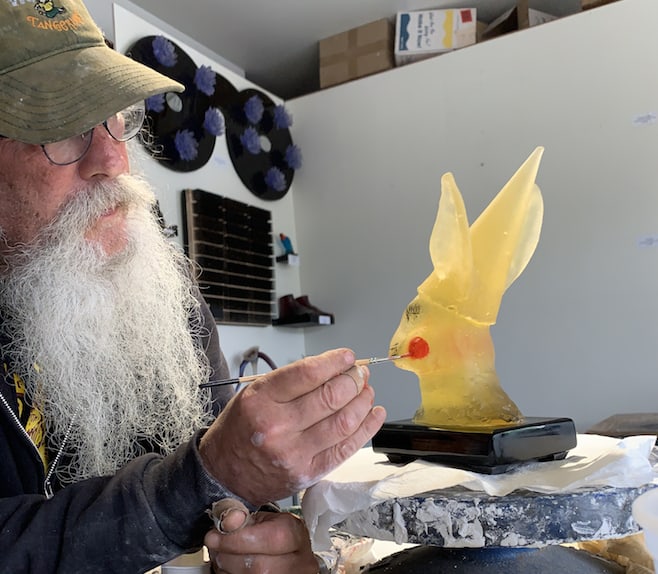
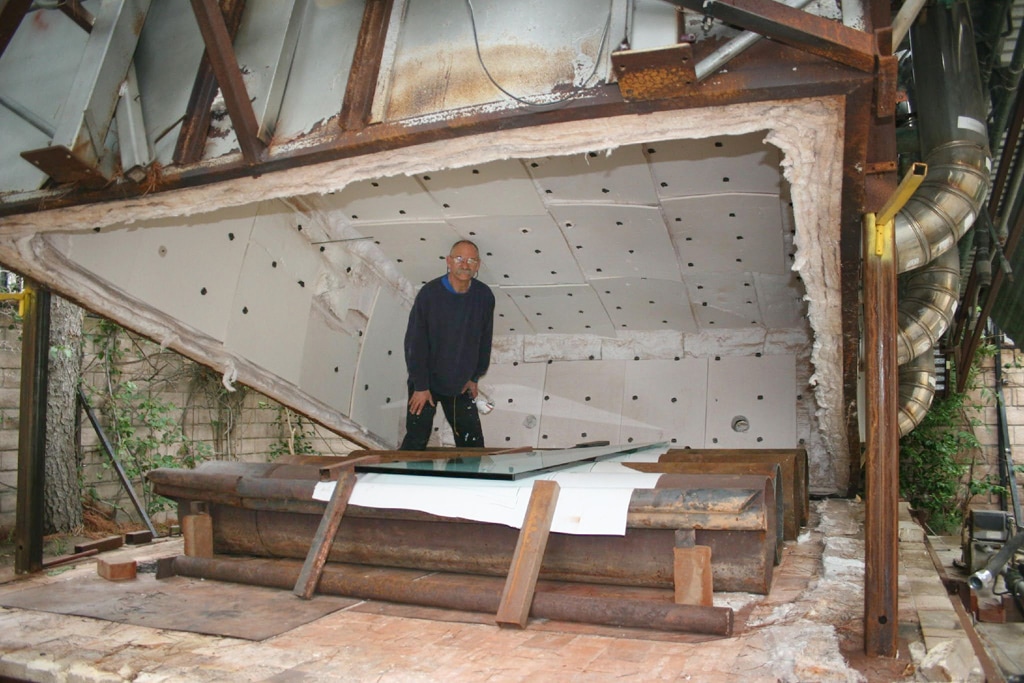
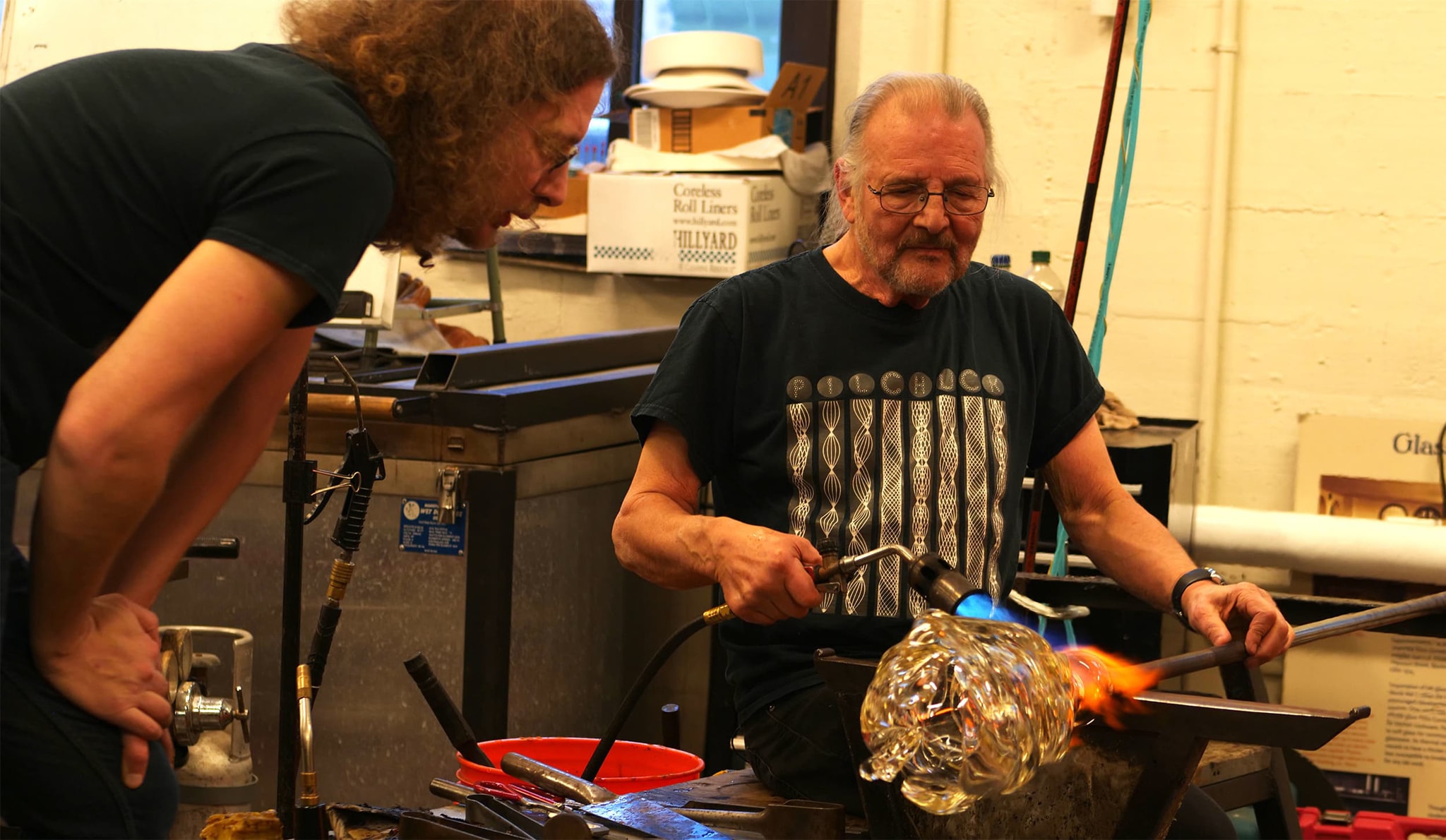
Max Grossman is a Los Angeles-based blacksmith, glass artist, resurrector of antique tools and machines, and maker of fine glassblowing tools. As an educator, he also regularly teaches glass workshops at venues such as Pratt, Pilchuck and UrbanGlass.
He has a studio in West Adams Los Angeles where he houses and uses his collection of vintage machinery and tools to fabricate other tools and wondrous objects.
Grossman graduated from the Newcomb Glass Art Program at Tulane University in 2011.
Ethan Stern
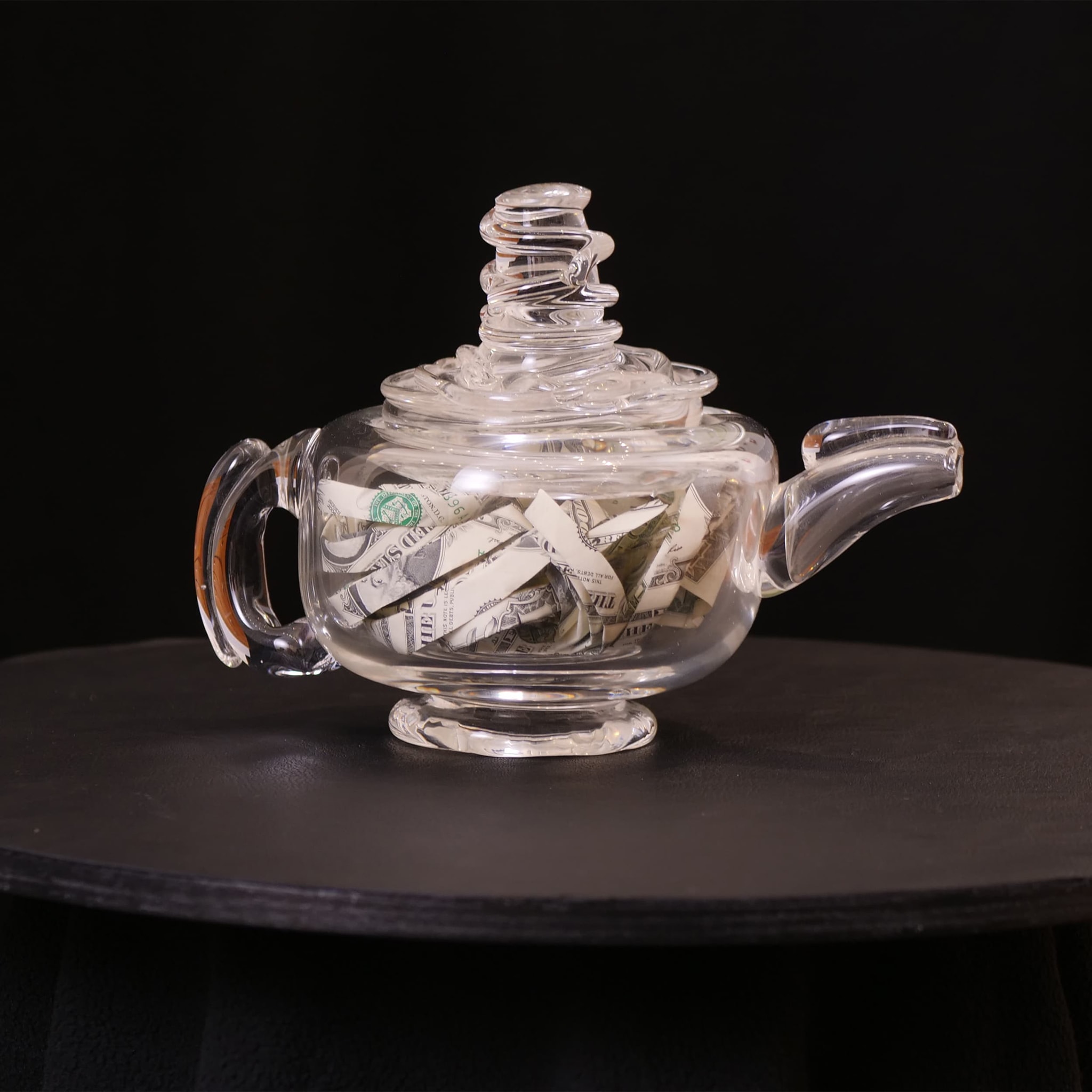
Ethan Stern’s work is rooted in traditional craftsmanship, contemporary design, and a deep connection to the natural environment. Being a glass artist, he draws inspiration from historic craft traditions, such as cut crystal and classical ceramic design, while reinterpreting these forms through a modern lens. The natural environment offers rich inspiration, from the organic forms and colors of coastlines to the shifting hues of the sky. Through glass, Stern evokes a sense of interconnectedness, using the material’s elemental relationship to earth and fire to bridge the natural and the man-made. While his work draws from history and nature, it is forward-looking, blending traditional techniques with contemporary approaches.
Stern earned his BFA in Sculpture from Alfred University and is a practicing studio artist, designer and teacher in Los Angeles. His artwork is held in many public and private collections including the The Corning Museum, Glasmuseet Ebeltoft, and The Lowe Museum of Art. He has taught sculpture in both academic and craft focused institutions around the world.
John Luebtow segment
John Luebtow is a glass sculptor and teacher. He introduces us to the founder of the modern kindergarten, Friedrich Froebel, and how Froebel’s geometric “gifts” inspired John and generations of other artists. Segment from SCIENCE episode.
Erik & Martin Demaine segment
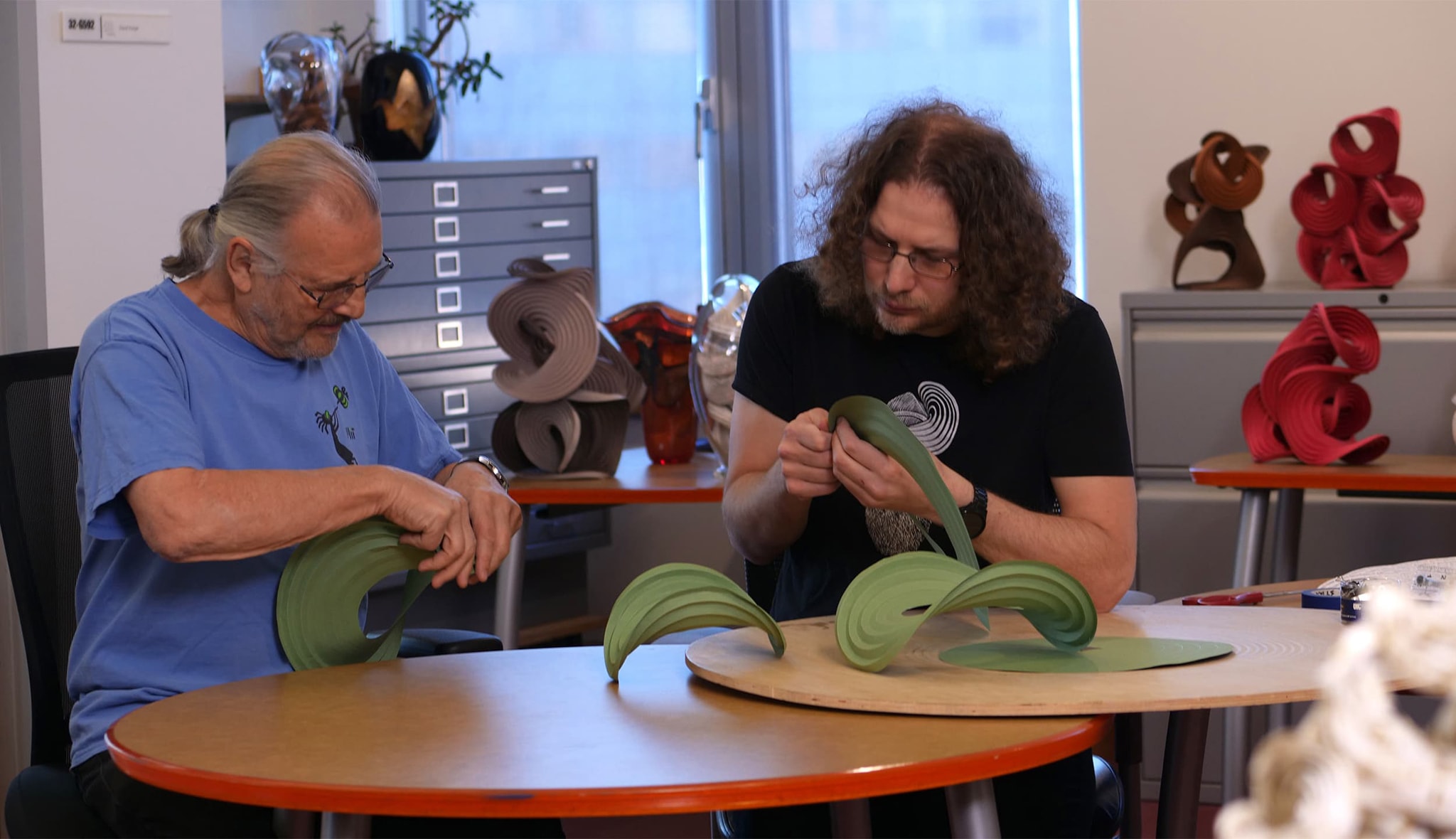
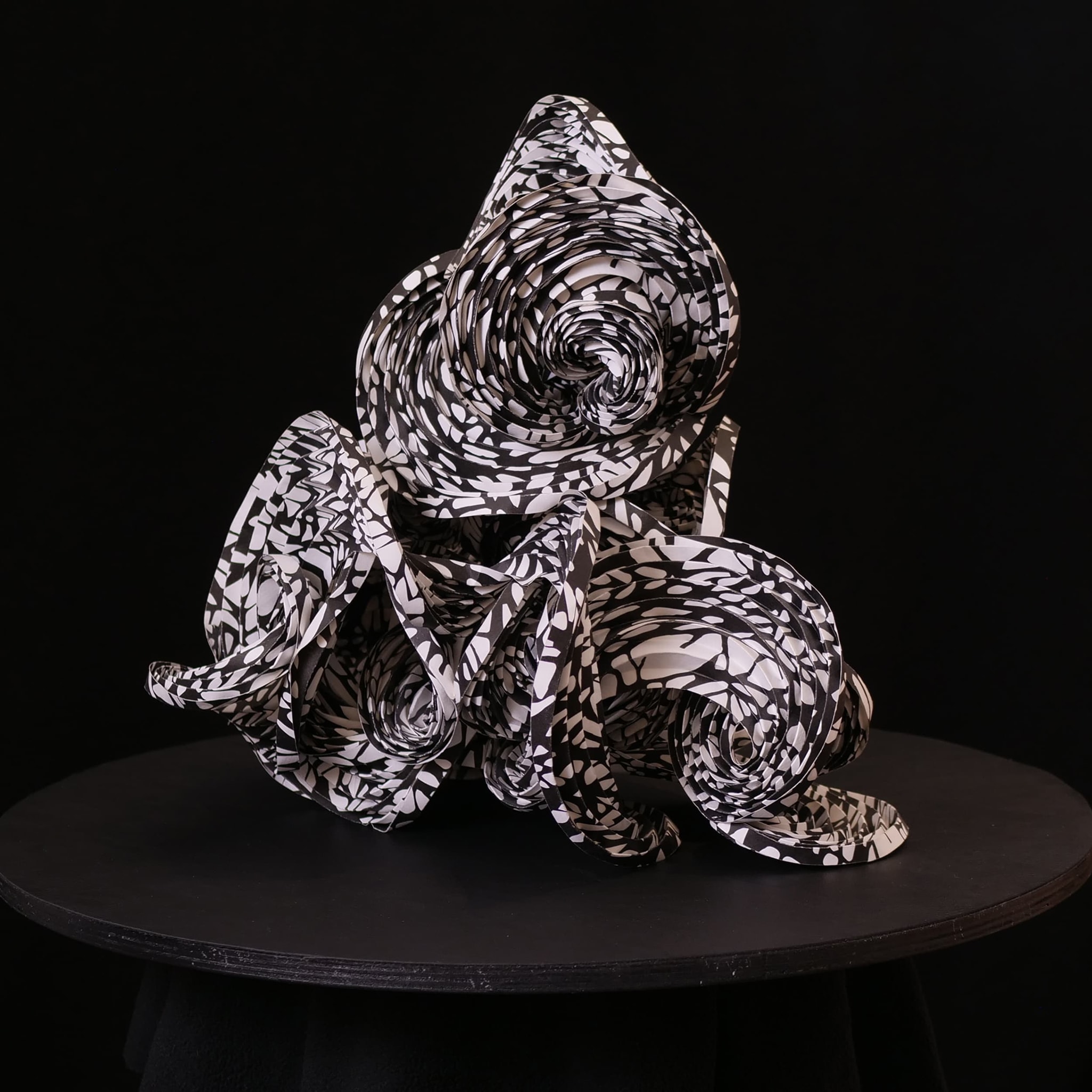
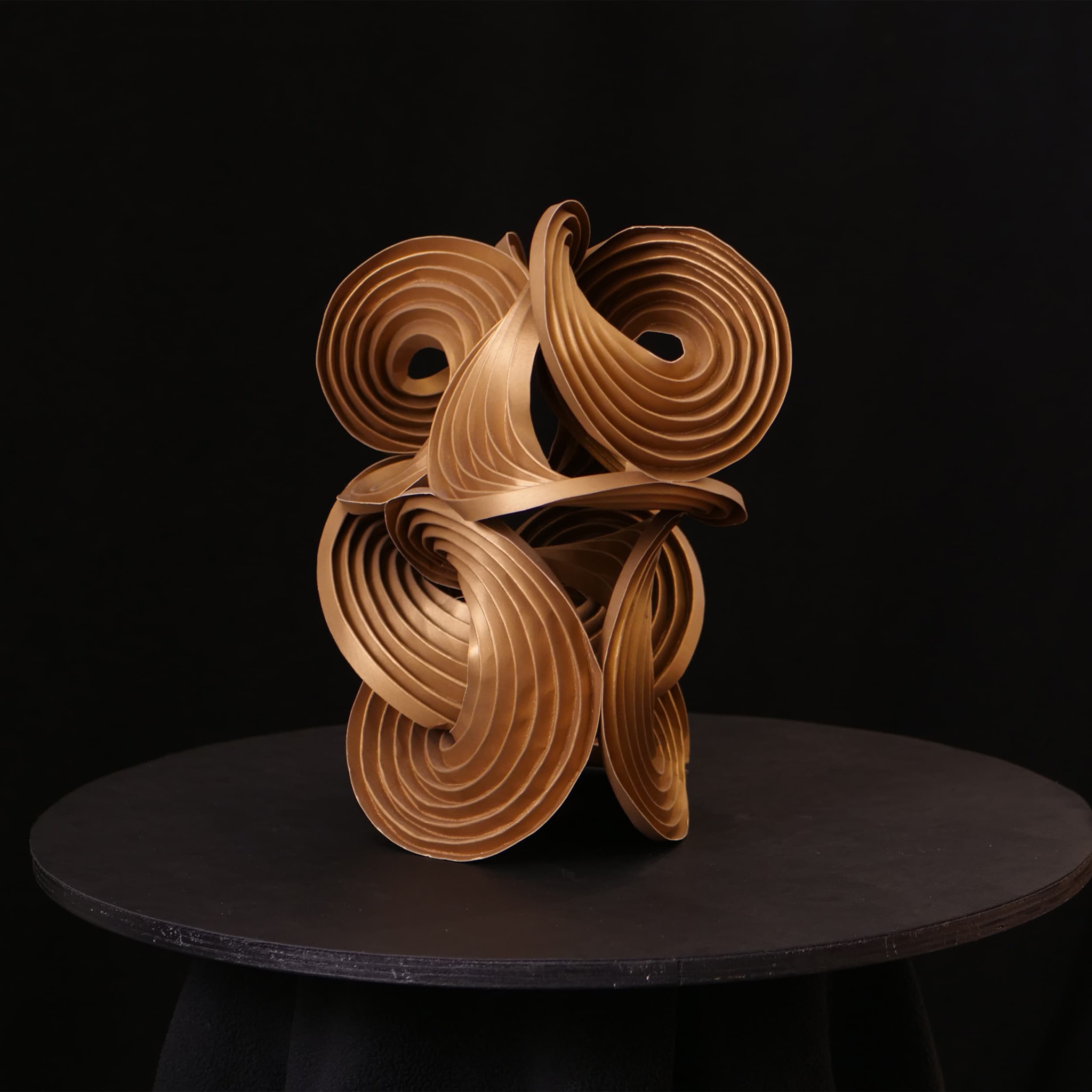
At the Massachusetts Institute of Technology in Cambridge, Massachusetts, Erik and Martin Demaine combine math with art. Erik is an MIT professor of computer science and the father-son team takes inspiration from their research to create unique curved-crease origami sculptures from folded paper. Segment from SCIENCE episode.
Judith Chernoff and Jeffrey Bernstein
Based in Laurel, Maryland, Judith Chernoff and Jeffrey Bernstein are craft advocates and avid collectors. They focus on sculptural and turned wood but collect a range of other media, including baskets, ceramics, fiber and glass.
Over the past thirty years, their wood collection has grown to include outstanding museum quality pieces from artists nationally and around the world. With the belief that sharing their collection with the public is what gives it greater meaning, they recently donated 43 objects in wood to the Smithsonian American Art Museum’s Renwick Gallery. In addition, over the years, they have opened their home to give educational collection tours to many wood centered groups and those new to wood.
Jeffrey and Judith have each held the position of President of Collectors of Wood Art, Jeffrey from 2009–2010 and Judith from 2014–2016. Judith has also been a volunteer docent at the Smithsonian’s Renwick Gallery since 2012.

Erik & Martin Demaine
Erik Demaine and Martin Demaine are a father-son math-art team. Erik is at the Massachusetts Institute of Technology, as a Professor in Computer Science. He received a MacArthur Fellowship in 2003. Martin started the first private hot glass studio in Canada and has been called the father of Canadian glass. Since 2005, Martin Demaine has been an Artist-in-Residence at the Massachusetts Institute of Technology. In these capacities, Erik and Martin work together in paper, glass, and other material. They use their exploration in sculpture to help visualize and understand unsolved problems in science and their scientific abilities to inspire new art forms. Their artistic work includes over 300 curved origami sculptures, including pieces in the permanent collections of the Museum of Modern Art (MoMA) in New York and the Renwick Gallery in the Smithsonian. Their scientific work includes over 100 published joint papers, including several about combining mathematics and art, and spanning over 500 co-authors. They are excited to bring this collaborative research approach to art as well.
Artist Talk: John Luebtow and Stephen Edwards
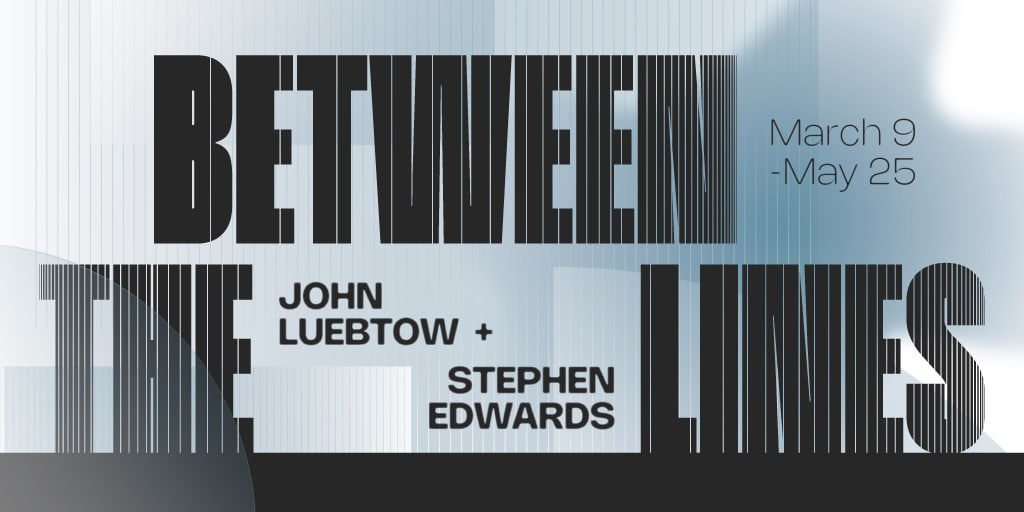
On the occasion of the exhibition, Between the Lines, John Luebtow and Stephen Edwards talk about their overlapping early development in Los Angeles, careers as teaching artists, and how they used their experience to build state-of-the-art shops for glassmaking on the West and East coasts.
recorded-talks-and-interviews
,,,,,
Between the Lines: John Luebtow and Stephen Edwards Opening Reception
Please join the artists to celebrate the opening of this exhibition featuring innovative work in glass and ceramics.
Stephen Edwards
Stephen Dee Edwards graduated from Illinois State University with a Master of Fine Arts Degree in 1980. In 1982 he established his first private glass studio in Micaville, North Carolina. It was close to the Penland School of Crafts where he worked as an artist-in-residence.
In 1988 he began teaching at Alfred University in New York State, where he taught for 22 years, building one of the largest hot glass programs in the United States. Edwards retired from teaching in 2010 to work full time in his home glass studio in Alfred Station, New York. In 2014 he moved to the Ojai Valley in California, where he now continues his studio practice.
Edwards’ work can be found in over 30 public collections including the National Art Gallery at the Smithsonian Institution, Hokkaido Museum of Modern Art, Corning Museum of Glass and he has exhibited in numerous galleries and museums across the globe. Edwards is a member of the international Glass Art Society (GAS) and a former President of GAS.
Between the Lines: John Luebtow and Stephen Edwards
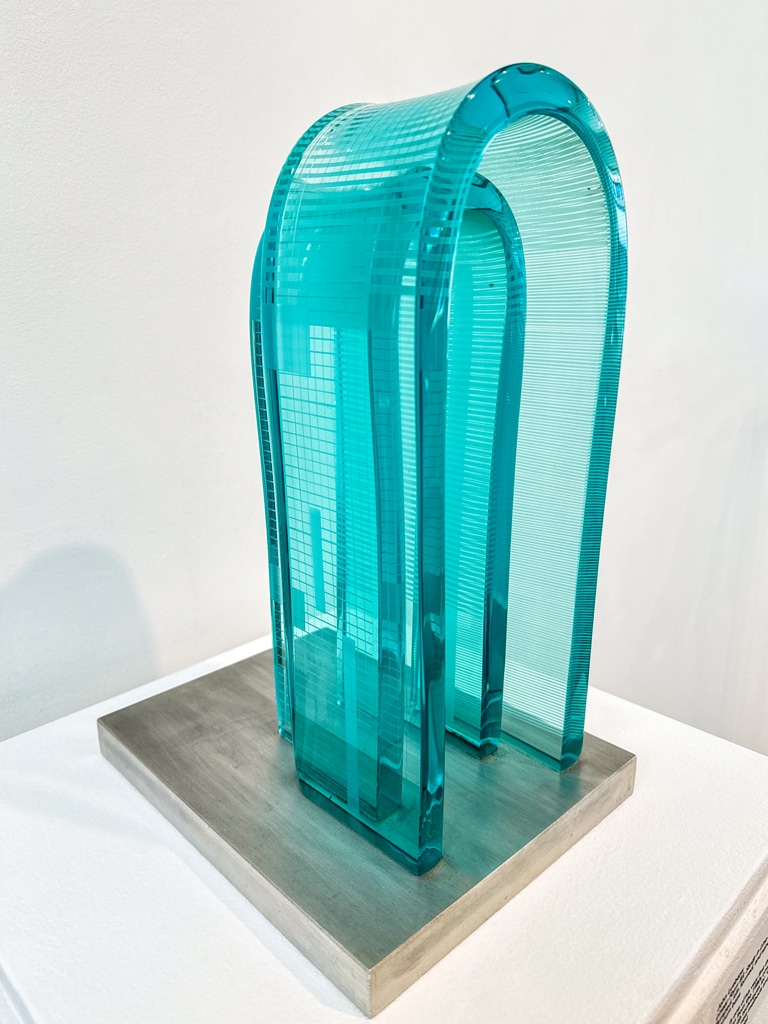
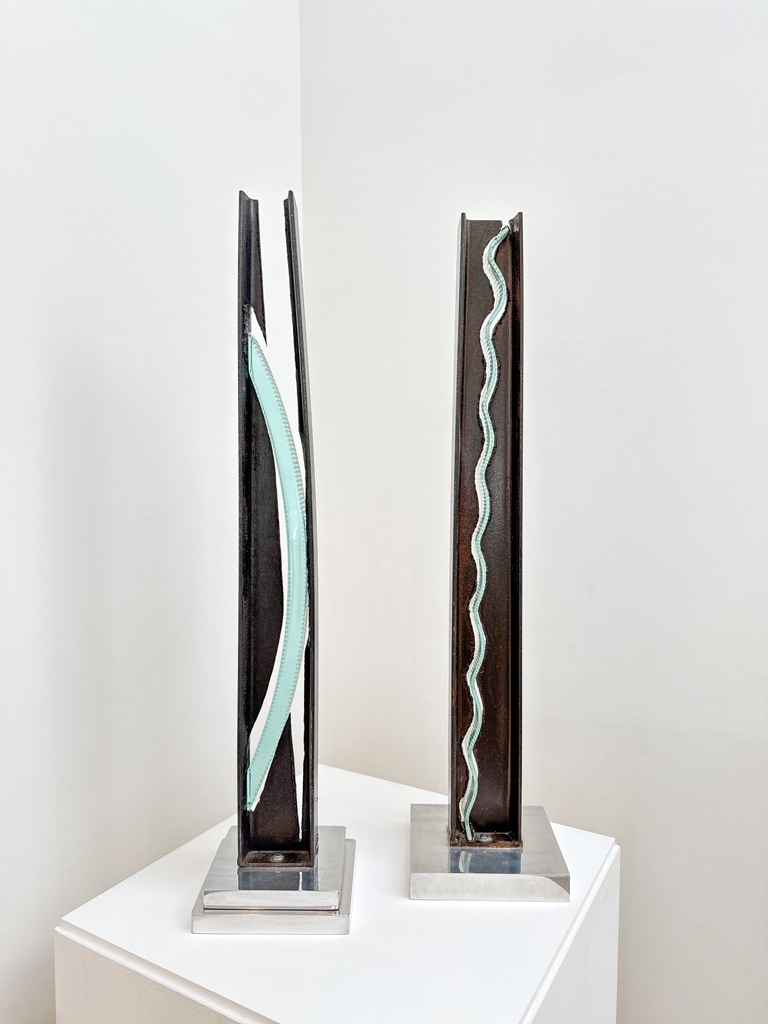
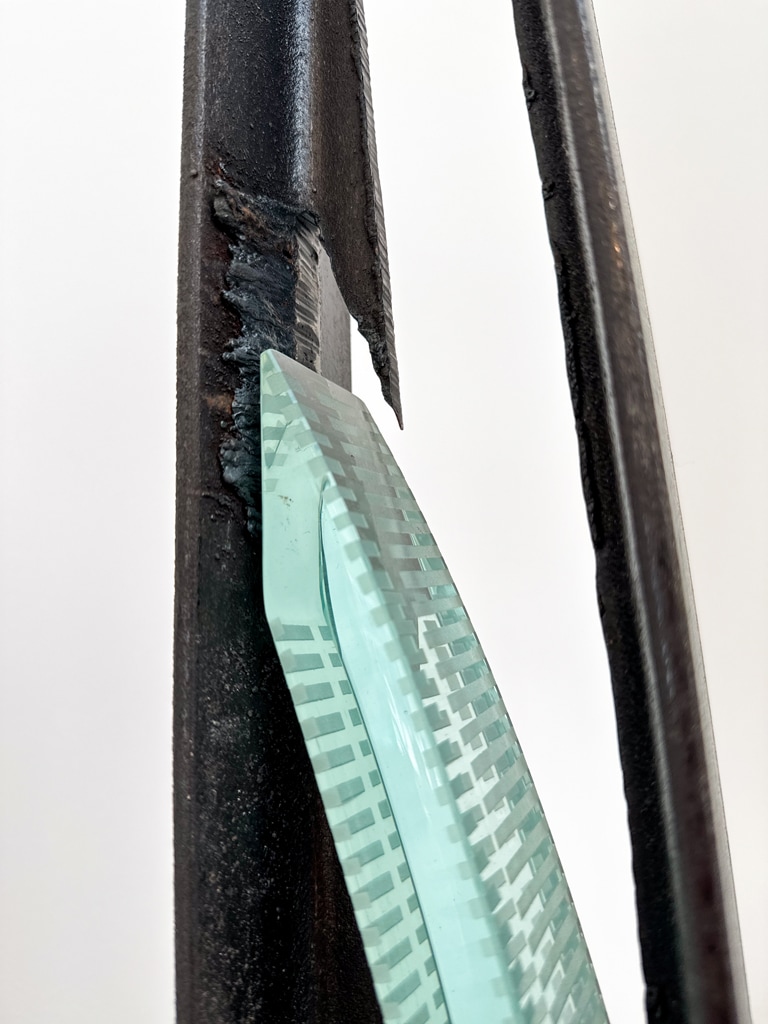
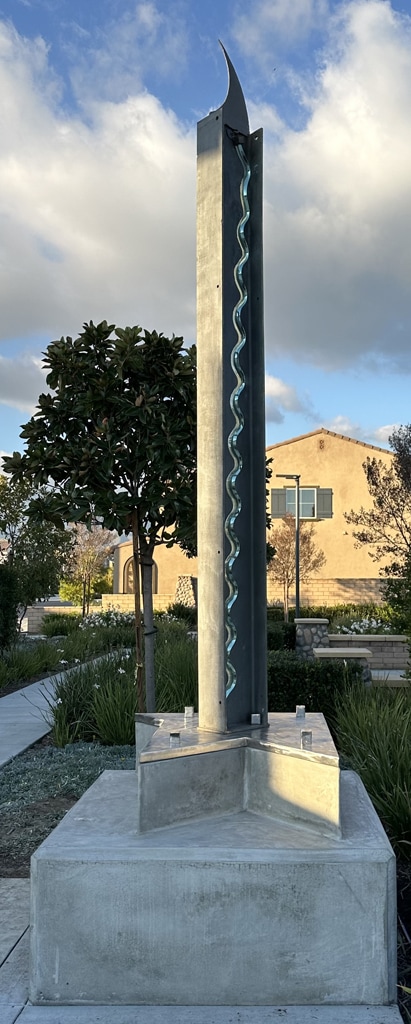
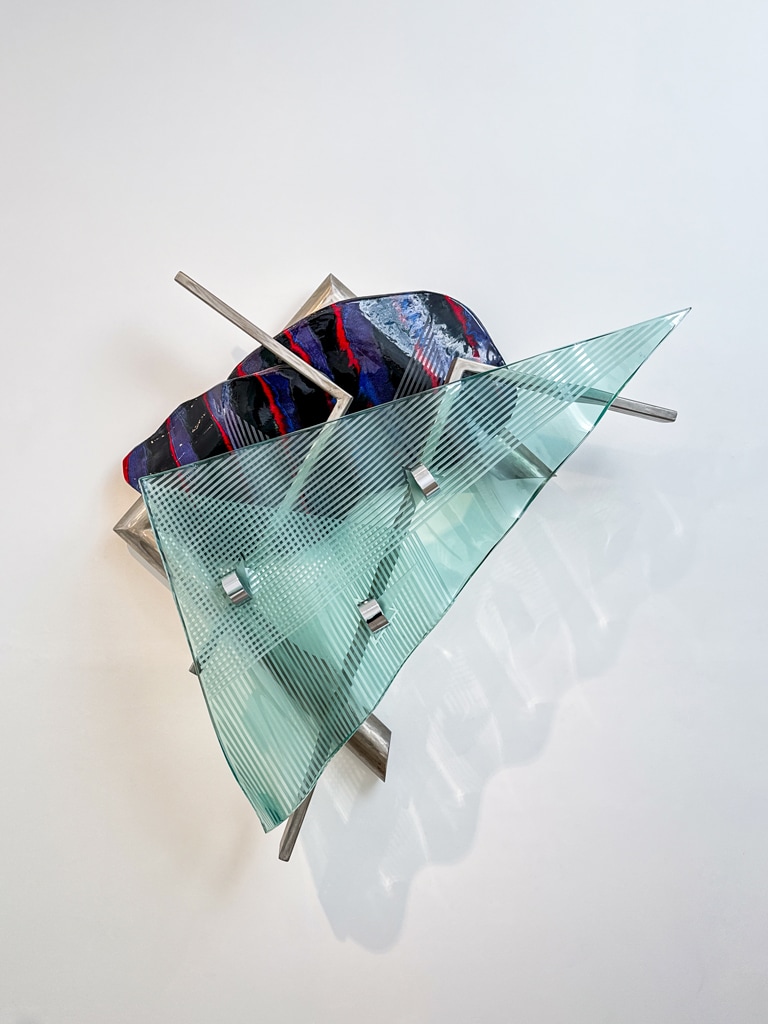
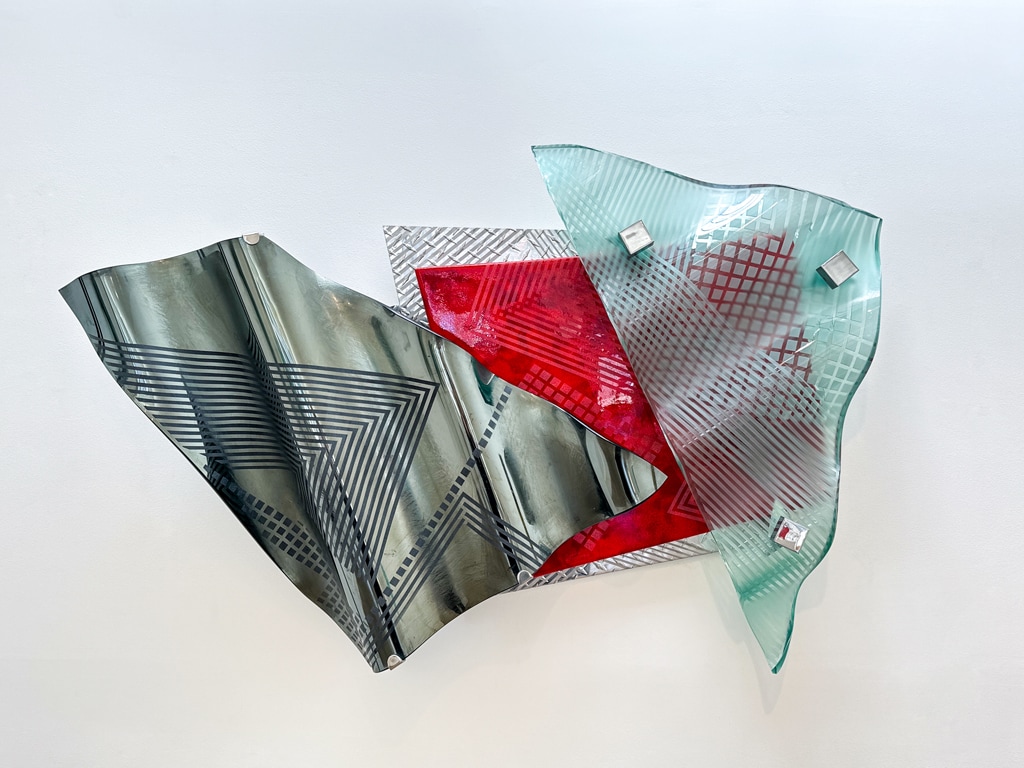
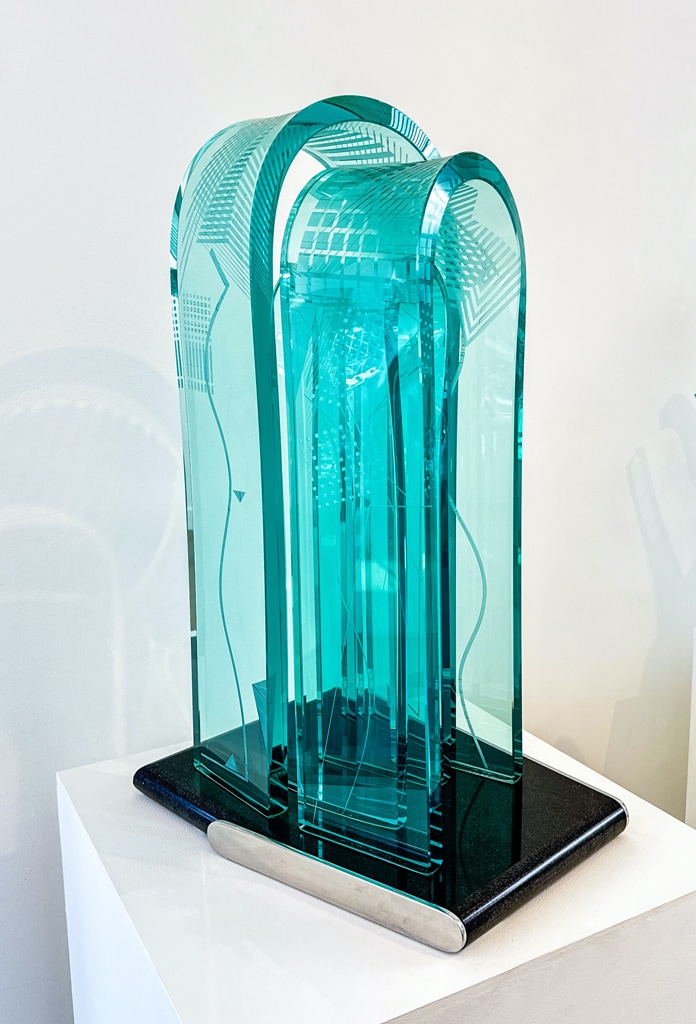
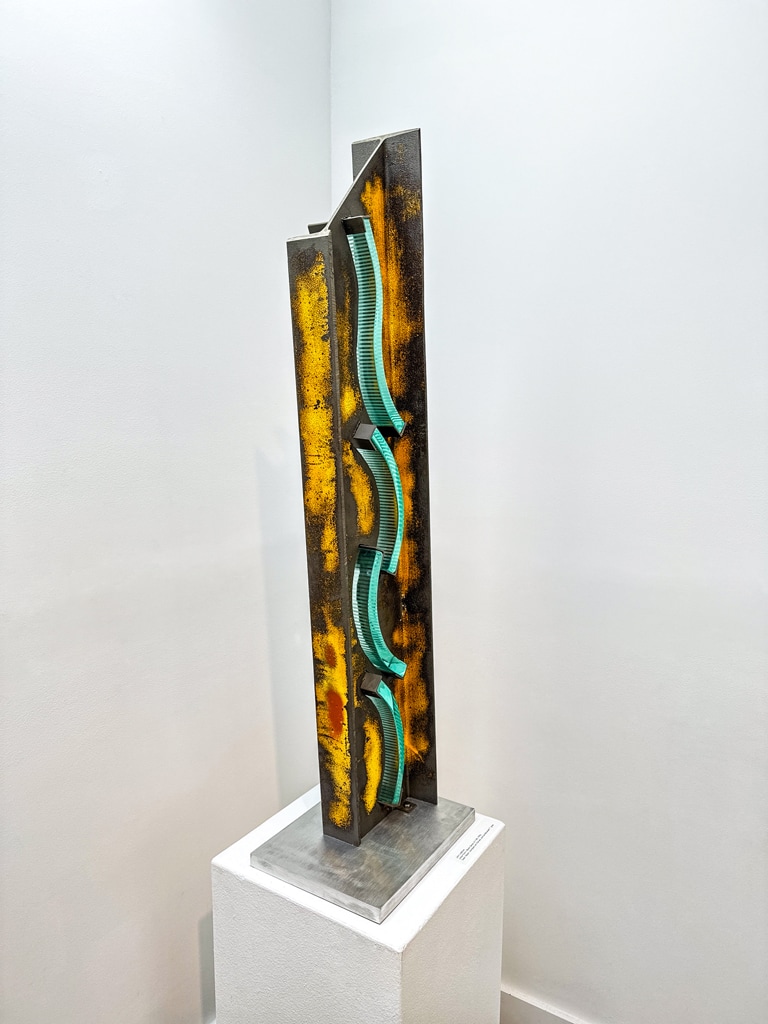
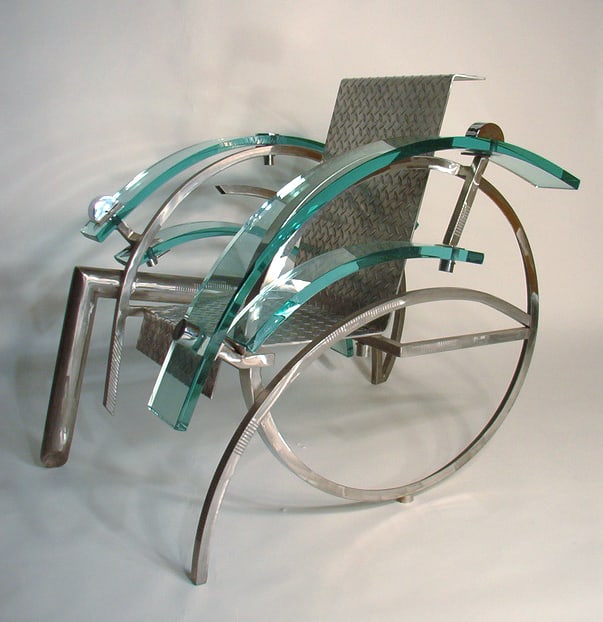
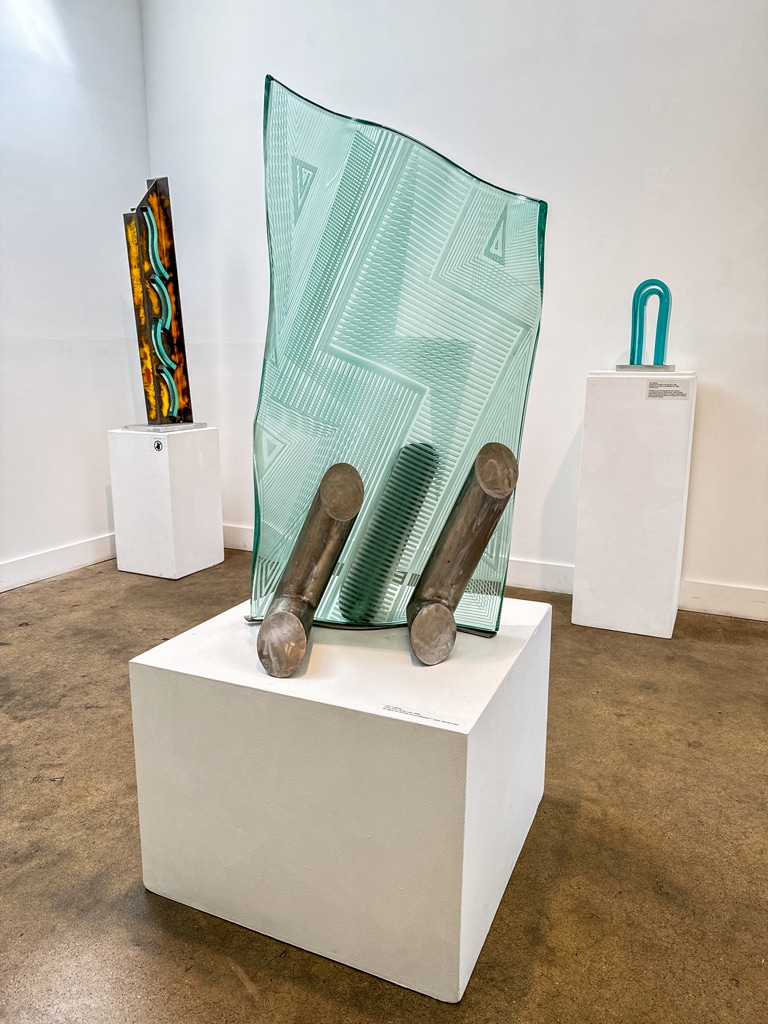
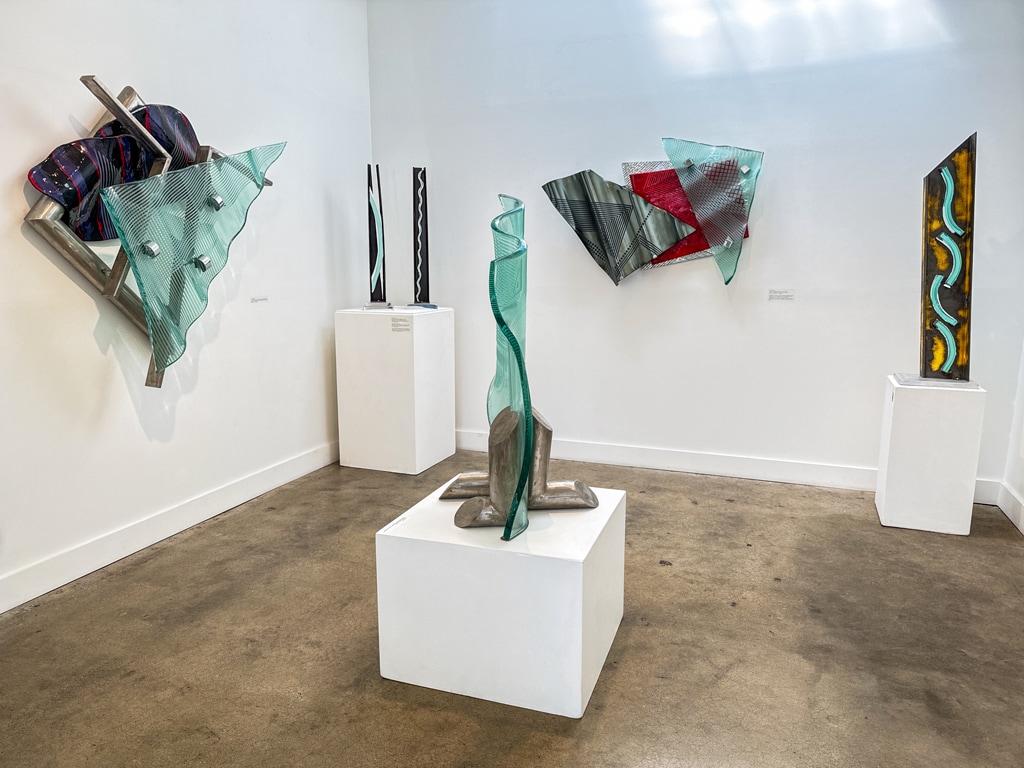
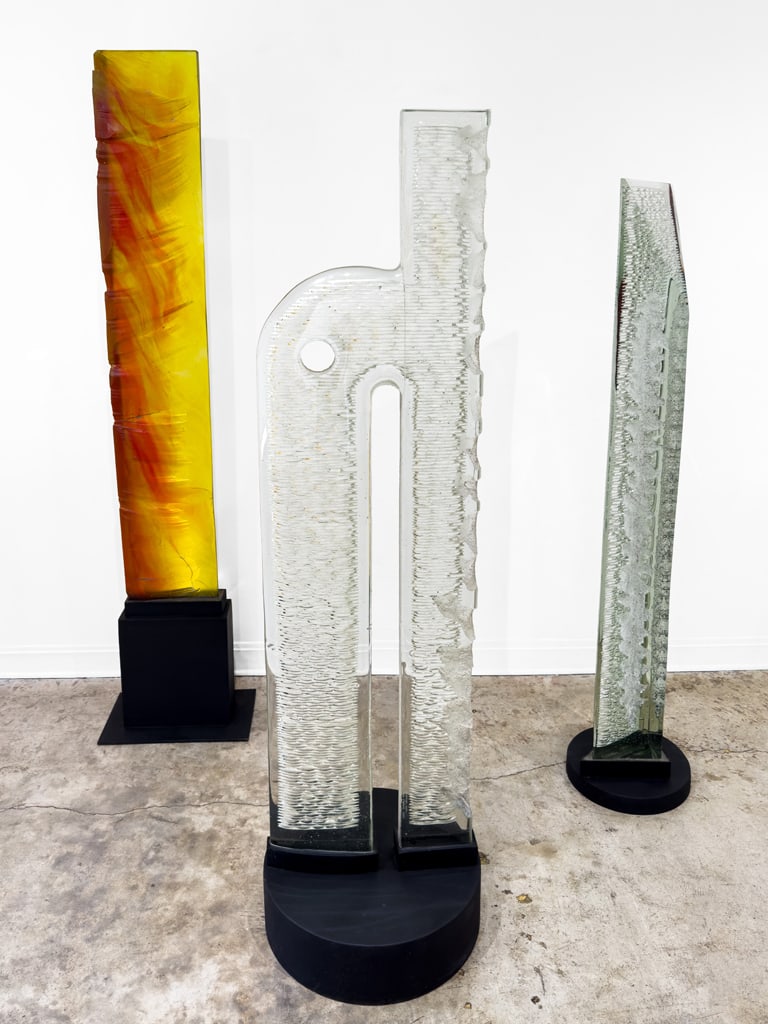
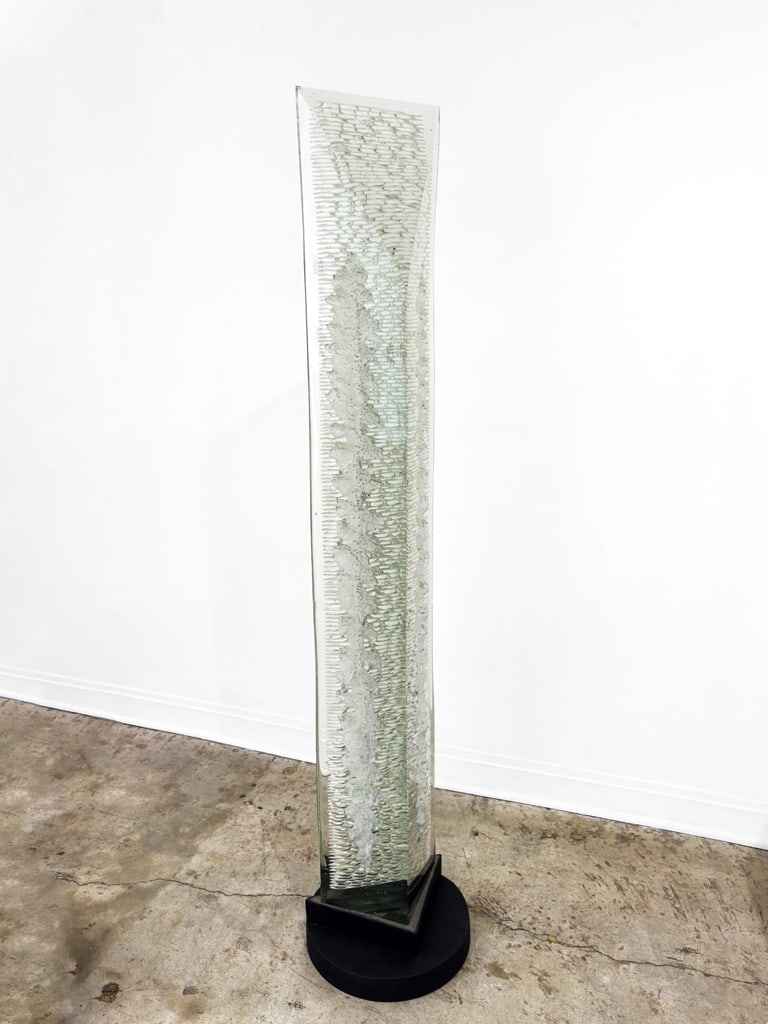
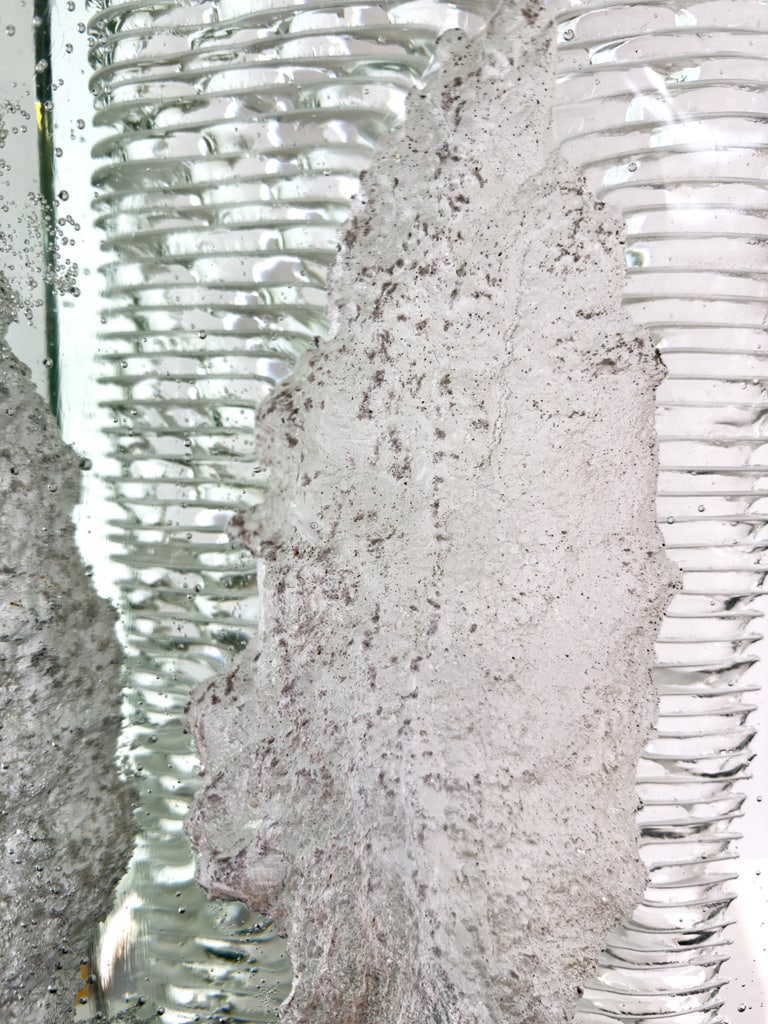
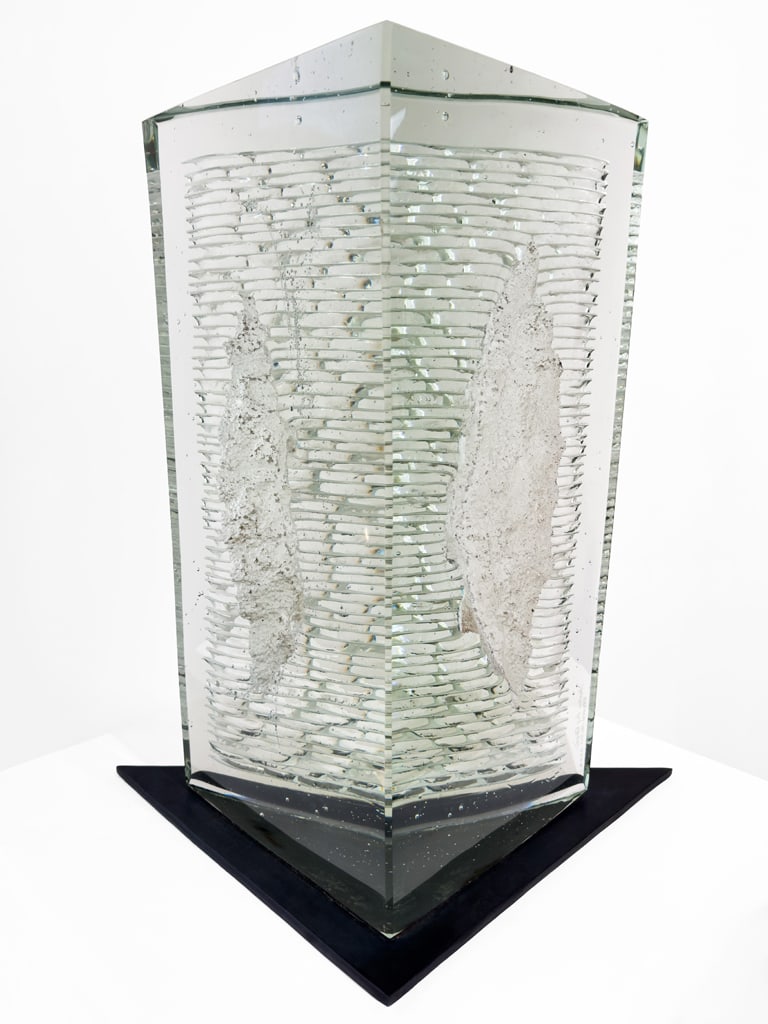
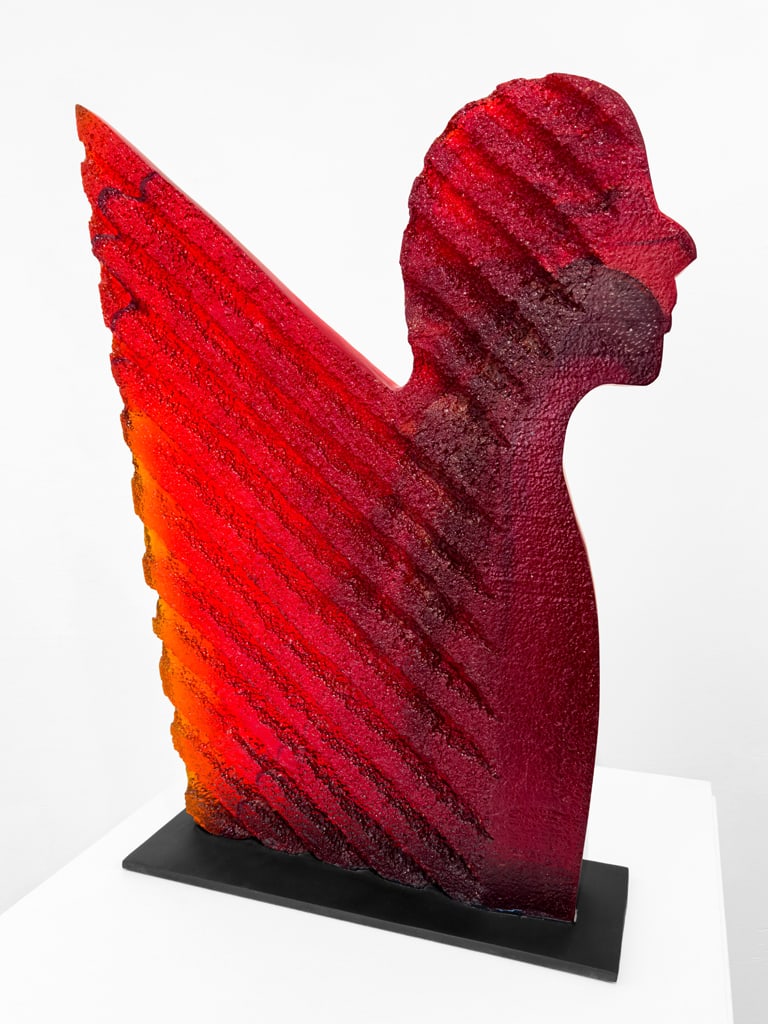
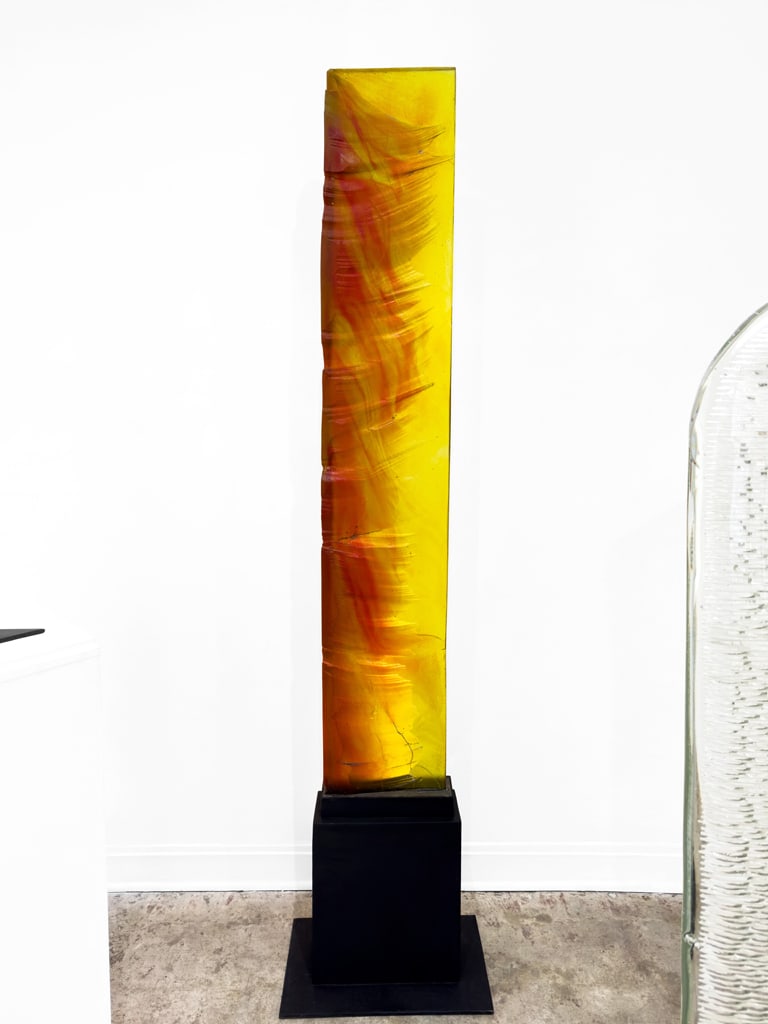
This exhibition pairs the work of two long-standing, luminary glass sculptors, Stephen Edwards and John Luebtow. Insatiably curious about process, both artists consistently push the boundaries of material exploration and technical development. Working in varying scales and sizes, they have each proven the adaptability for glass as a sculptural and expressive medium. For both artists, work begins and has largely emanated from the line, which defines their forms. Reading into their works and between the lines always unveils existential messages and added layers of philosophical and personal meaning.
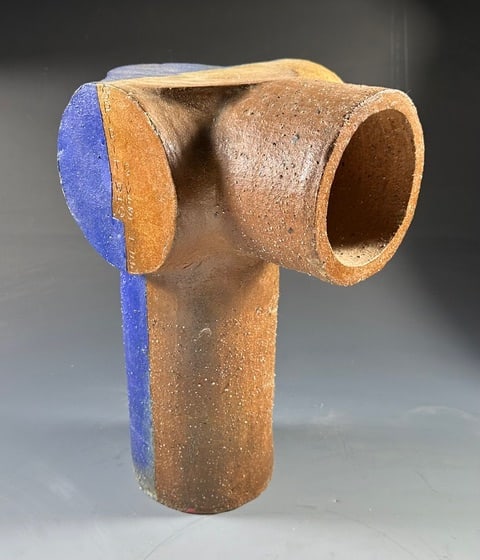
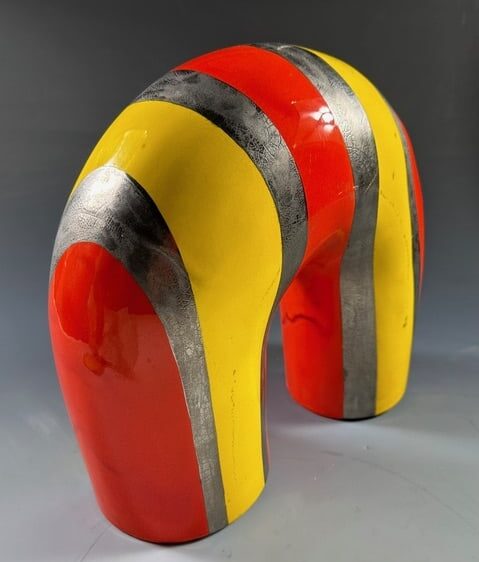
Works in the exhibition include Luebtow’s initial entry point into the art world via ceramics in the late 1960s, when he first considered concepts of line, form, color, and spirituality. With an overlapping artistic ideology, the exhibition will feature never-before shown recent sculptures by Edwards, as well as quintessential, retrospective works spanning the past two decades.
In addition to illustrious careers, the two masters have been instrumental in creating powerful education programs and facilities in glass and have taught scores of students; Luebtow at Harvard-Westlake School here in Los Angeles, and Edwards at Alfred University in New York. Anecdotally, the two artists are also tied by a teacher/student relationship: Edwards was once a budding high school art student of Luebtow. Their artistic and personal lineage is multifaceted.
Virtual Gallery
Click and drag, or use your arrow keys, to see a 360º view of the virtual space.