Handwork: Handcrafted Objects that Made America
The Decorative Arts Trust
7/31/26
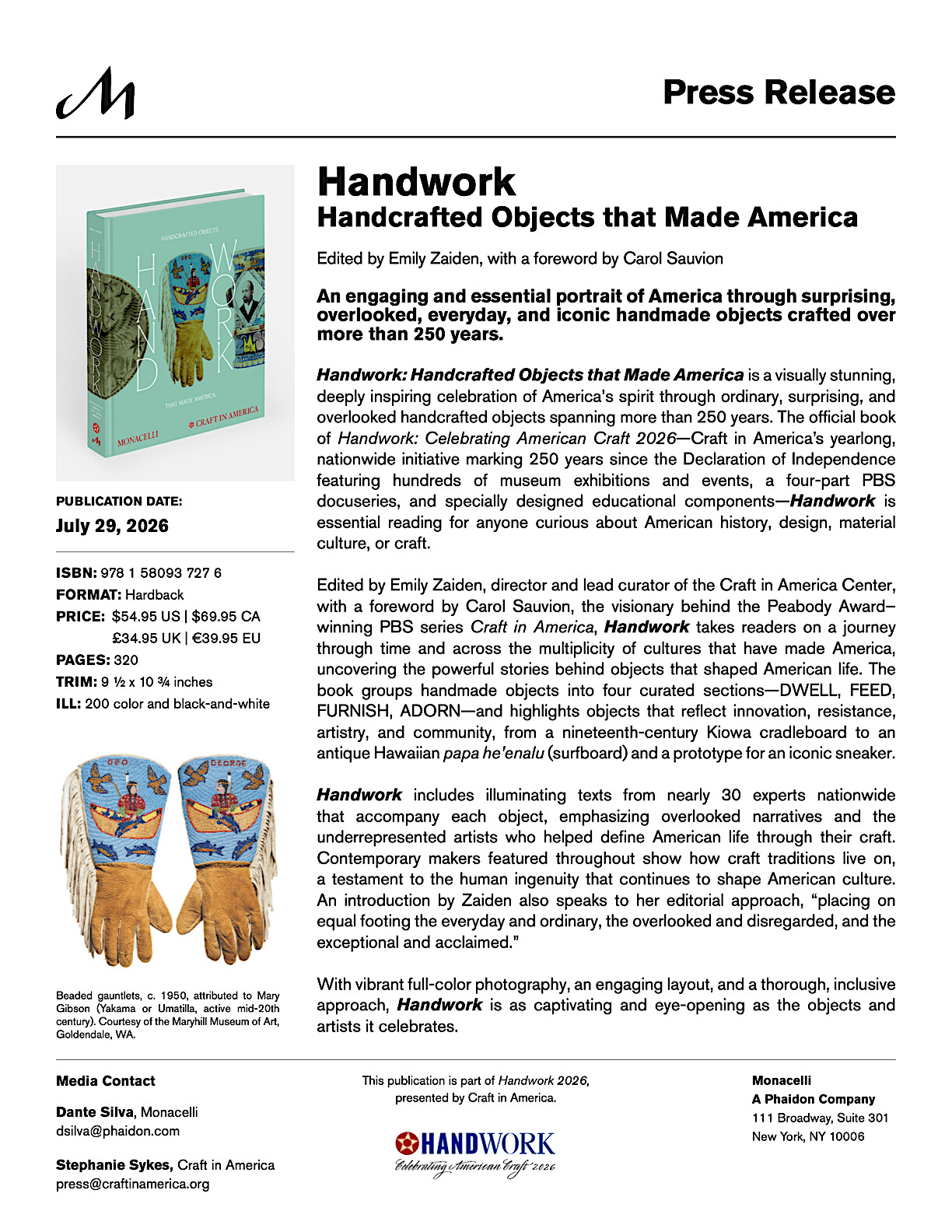
Handwork: Handcrafted Objects that Made America (Monacelli, a Phaidon Company, 2026) is a visually stunning celebration of America’s spirit through ordinary, surprising, and overlooked handcrafted objects spanning more than 250 years. The volume is the official book of Handwork: Celebrating American Craft 2026—Craft in America’s yearlong, nationwide initiative featuring hundreds of museum exhibitions and events, a four-part docuseries on PBS, and specially designed educational components. The Decorative Arts Trust is a participating organization in the Handwork 2026 collaboration, sharing our Semiquincentennial project, Collecting250.org, with partners throughout the United States.
Edited by Emily Zaiden, Director and Lead Curator of the Craft in America Center, with a foreword by Carol Sauvion, the visionary behind the Peabody Award–winning series Craft in America on PBS, Handwork takes readers on a journey through time and across the multiplicity of cultures that make up the nation, uncovering the powerful stories behind objects that shaped American life. The book groups handmade objects into four curated sections—DWELL, FEED, FURNISH, ADORN—and highlights objects that reflect innovation, resistance, artistry, and community.
Handwork includes illuminating texts from more than 30 specialists nationwide that accompany each object, emphasizing underrepresented narratives and artists who helped define American life through their craft. Dozens of curators and scholars familiar to the Trust community contributed to the publication, which also shares objects that are highlighted in Collecting250. Some of the overlapping objects convey America’s complicated past as well as its rich aggregate of cultures. A silver punch bowl smithed by Paul Revere for the Sons of Liberty and a monumental basket form titled Never Again woven by Mary Jackson tell narratives about liberation from different perspectives. The Trust’s Board Secretary Alexandra Alevizatos Kirtley from the Philadelphia Museum of Art discusses, among other objects, the strong aesthetic visions exemplified in a 1770–72 American China Manufactory pickle stand and a 1779 Pennsylvanian German kleiderschrank. Trust Governor Monica Obniski from the High Museum of Art delves into an 1830–60 Tennessee pie safe (see below) and an 1898 William Marrett/Libbey Glass Company punch bowl. Former Trust Governor Nonie Gadsden from the Museum of Fine Arts, Boston, analyzes a c. 1700 miniature fork and spoon set, a 1730–50 Boston card table, a 1906–20 Frank Gardner Hale necklace, and a 1909 Matilda “Tillie” Block mug.
The Trust’s Executive Director Matthew A. Thurlow also contributed his insight into American history, material culture, and furniture through two captivating object stories from the Early Republic. Thurlow writes about a stately Senate armchair, which was an outcome of the rebuilding process that followed the War of 1812, and the toolchest of renowned early-19th-century furniture maker Duncan Phyfe, which is as much a cherished heirloom as one of his coveted chairs or tables.
Contemporary objects are featured throughout the book, connecting the dots from past to present illustrating how rooted craft traditions continue to influence current makers, a testament to the human ingenuity that continues to shape American culture. Ceramic artist Roberto Lugo highlights a 1200–1450 bird-form pendant from the Sinagua peoples of the Verde Valley in Arizona, and Mira Nakashima muses on her father George’s 1988 Arlyn table.
An introduction by Zaiden speaks to her editorial approach, “placing on equal footing the everyday and ordinary, the overlooked and disregarded, and the exceptional and acclaimed.”
Handwork can be ordered through Phaidon/Monacelli as well as other booksellers.
Original article here.
‘Handwork’ book celebrates 250 years of American craft and material culture
ArtDaily
7/30/26
NEW YORK, NY.- Handwork: Handcrafted Objects that Made America is a visually stunning, deeply inspiring celebration of America’s spirit through ordinary, surprising, and overlooked handcrafted objects spanning more than 250 years. The official book of Handwork: Celebrating American Craft 2026—Craft in America’s yearlong, nationwide initiative marking 250 years since the Declaration of Independence featuring hundreds of museum exhibitions and events, a four-part PBS docuseries, and specially designed educational components—Handwork is essential reading for anyone curious about American history, design, material culture, or craft.
Edited by Emily Zaiden, director and lead curator of the Craft in America Center, with a foreword by Carol Sauvion, the visionary behind the Peabody Award–winning PBS series Craft in America, Handwork takes readers on a journey through time and across the multiplicity of cultures that have made America, uncovering the powerful stories behind objects that shaped American life. The book groups handmade objects into four curated sections—DWELL, FEED, FURNISH, ADORN—and highlights objects that reflect innovation, resistance, artistry, and community, from a nineteenth-century Kiowa cradleboard to an antique Hawaiian papa he’enalu (surfboard) and a prototype for an iconic sneaker.
Handwork includes illuminating texts from nearly 30 experts nationwide that accompany each object, emphasizing overlooked narratives and the underrepresented artists who helped define American life through their craft. Contemporary makers featured throughout show how craft traditions live on, a testament to the human ingenuity that continues to shape American culture. An introduction by Zaiden also speaks to her editorial approach, “placing on equal footing the everyday and ordinary, the overlooked and disregarded, and the exceptional and acclaimed.”
With vibrant full-color photography, an engaging layout, and a thorough, inclusive approach, Handwork is as captivating and eye-opening as the objects and artists it celebrates.
Emily Zaiden is director and curator of the Craft in America Center in Los Angeles where she has organized over eighty multidisciplinary contemporary art, craft, and design exhibitions for the center and partner museum venues. Zaiden oversees public programs, a K-12 education initiative, and digital projects, including the creation of the online Craft Video Dictionary. Her research focuses on craft processes, materiality, functional design, and cultural art, particularly from a historical lens. Zaiden has an M.A. from the Winterthur Program in American Material Culture.
Carol Sauvion is an American crafts scholar and creator of the Peabody Award–winning PBS series Craft in America. Sauvion was the founding director of Craft in America and for over forty-five years was the director of Freehand, her Los Angeles gallery specializing in functional craft.
Original article here.
COMING JULY 29 | Handwork: Handcrafted Objects that Made America
View Full Press Kit Here
May 2025 In Memoriam: Gail M. Brown
Craft in America warmly recognizes the recent passing of Art Historian Gail M. Brown. Among many things, Gail was an enthusiastic curator of contemporary craft and an educator whose (60+) exhibitions work spanned over 25 years across all regions of the U.S.A. Craft in America’s Center especially recognizes her as a longtime annual supporter of our overall organization. We also honor her generosity in donating her sizable art book collection to our growing Craft Library—her donated contributions have since helped create a Special Collections mini-collection of rare and unique exhibition catalogs and paper ephemera. Craft in America remains grateful for Gail’s contributions and impact within the Arts, and we send our condolences to her family and friends. As an effusive collaborator and proponent of the Arts, Gail M. Brown will be sorely missed.

Winter ‘25 FEATHER EXHIBITIONS : ART LIBRARY DISPLAY
This winter / spring the Craft in America Center is exhibiting innovative feather-based artworks by Boris Huang, a Taiwanese-Hawaiian featherwork artist and Chris Maynard, a biologist/birder feather artist. Our Education Coordinator, Sam Sermeño, has curated an interactive library display to accompany technically distinct and cross-cultural approaches to feather art. During the exhibition opening, the Center was fortunate to have both artists present. Maynard gave an in-depth presentation on his work and Huang gave a detailed feather lei demonstration which will be featured in our Craft Video Dictionary, a new learning resource for craft and art techniques across mediums.
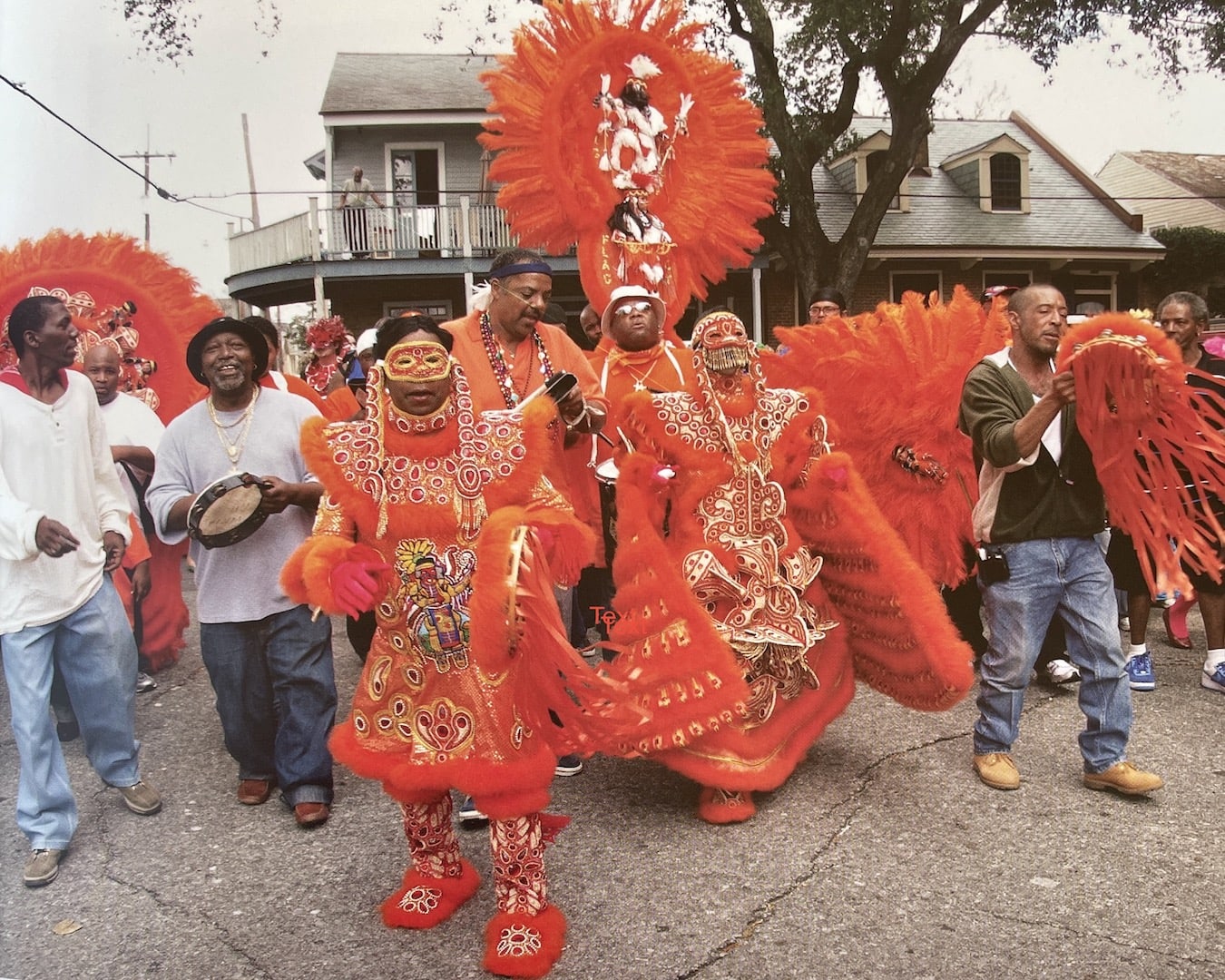
Several of the displayed magazines and books highlight long standing featherwork art forms, from Mardi-Gras to Hawaiian lei-hulu art traditions shared by renown matriarchs. This collection explores the dynamism of feather work’s niche art culture, craft techniques, and its deep impact on different regions’ community expression; from the ornately feathered and beaded regalia and parade culture of New Orleans, to several schools of Hawaiian indigenous featherwork traditions, to more contemporary and fiber-cut dimensional feathered installations.
We hope you enjoy browsing this selection of reading materials, and please know that the invitation to browse our library remains open-ended. Thanks to generous book donations and ongoing curatorial scholarship, our library warmly welcomes the curious passerby, armchair art historian, artists & creatives across all mediums and practices.
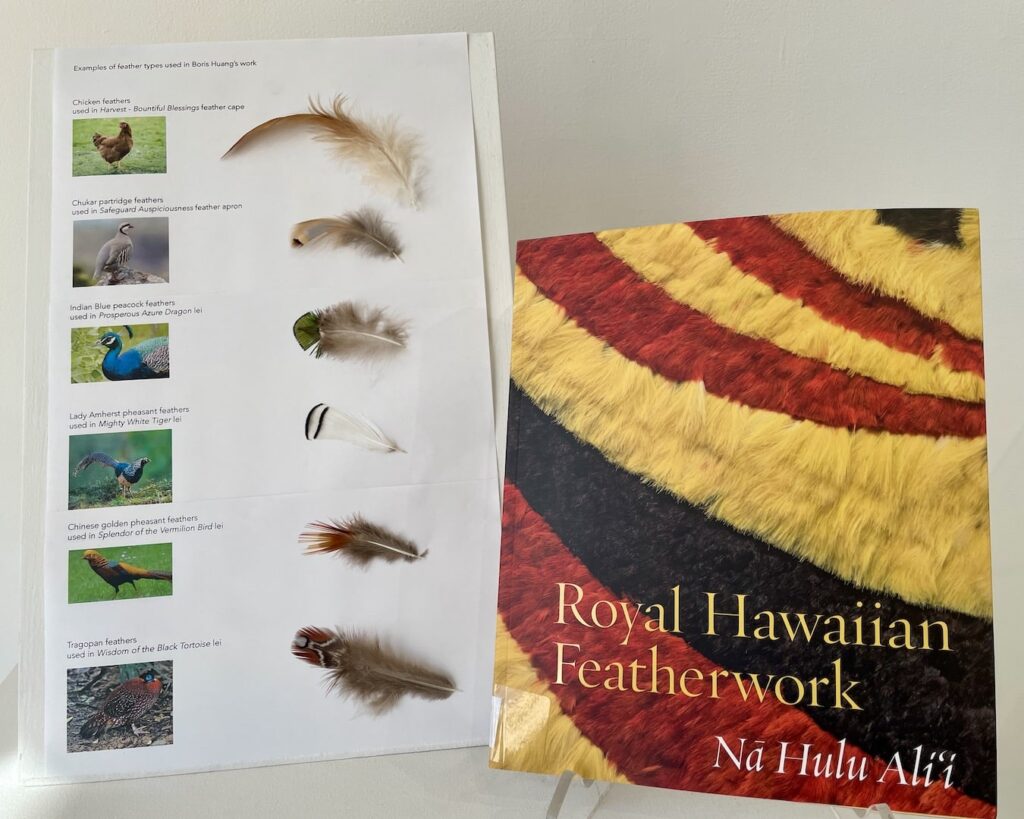
Royal Hawaiian Featherwork (2015) dives into various museology research, curatorial insight, and cultural critique of what is considered the origin of Hawaiian featherwork among royalty ranging from the 18th to 19th centuries. This book pays homage to the hand-techniques required in constructing these various feather cloaks and adornments. Ample parts of this book share accounts and research about the cultural recognition of fetherwork’s craft and how this featherwork secured Hawaiian chiefs spiritual protection and prosperity for centuries. According to most art historians, few royal feather artworks (known as nā hulu ali‘i) are known to survive outside of various art museum and private collection settings. Viewers will learn much about the surveyed seventy+ rare examples of royal featherwork capes and cloaks (‘ahu’ula), feathered royal staffs (kāhili), helmets (mahiole), feather leis (lei hulu manu), and various feathered deity iconography (akua hulu manu) in paintings and other paperworks. Deeply rooted in cultural significance, this book explore how various featherwork are detailed, along with their recorded historical-social functions; many of these items were central to Indigenous Hawaiian diplomacy, from securing political alliances and agreements, to battlefield armor and regalia, used as their own form of martial currency, to eventual trading and foreign visitor cultural gifts. This dense volume also serves as the catalogue accompanying one of the first Hawaiian featherwork exhibitions on the U.S. mainland, via the Fine Arts Museums of San Francisco (2015).
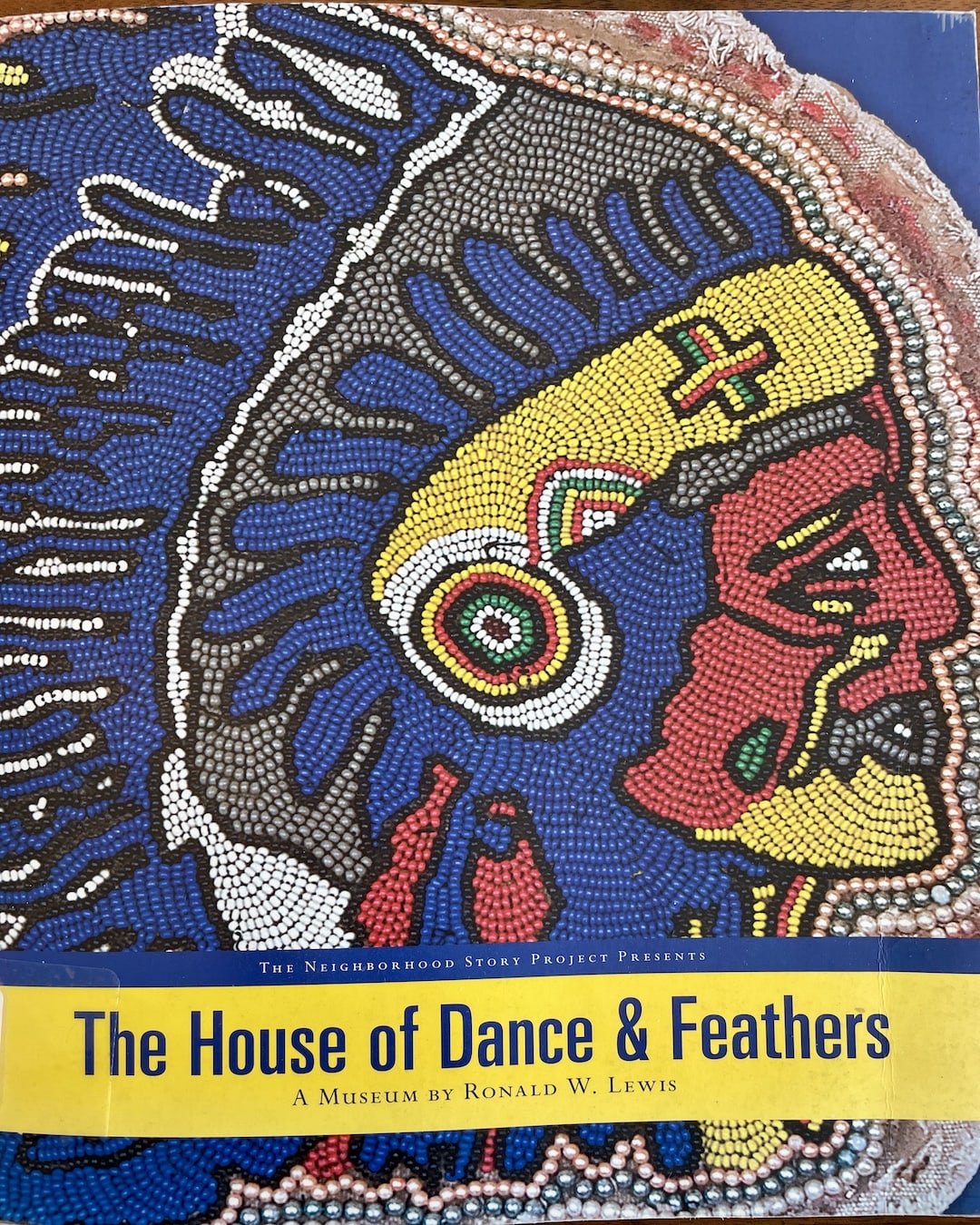
The House Of Dance And Feathers: A Museum By Ronald W Lewis (Rachel Breunlin and Helen Regis, 2009).
This book was published nearly a decade before Ronald W. Lewis, an illustrious New Orleans culture-shaper, passed away. Lewis helped assemble the “House of Dance & Feathers” museum found in New Orleans’ Ninth Ward. Readers will enjoy the museum displays, festival and parade photos, interview excerpts and insider knowledge sourced from the posthumous Lewis himself and close knit communities. This work highlights and honors the different worlds Lewis inhabited, and these communities’ cultural impacts on Black history and New Orleans’ social fabric; recognizing New Orleans’ various Bone Gangs, Parade Krewes, Social Aid and Pleasure Clubs’ continued legacies amidst decades of change.
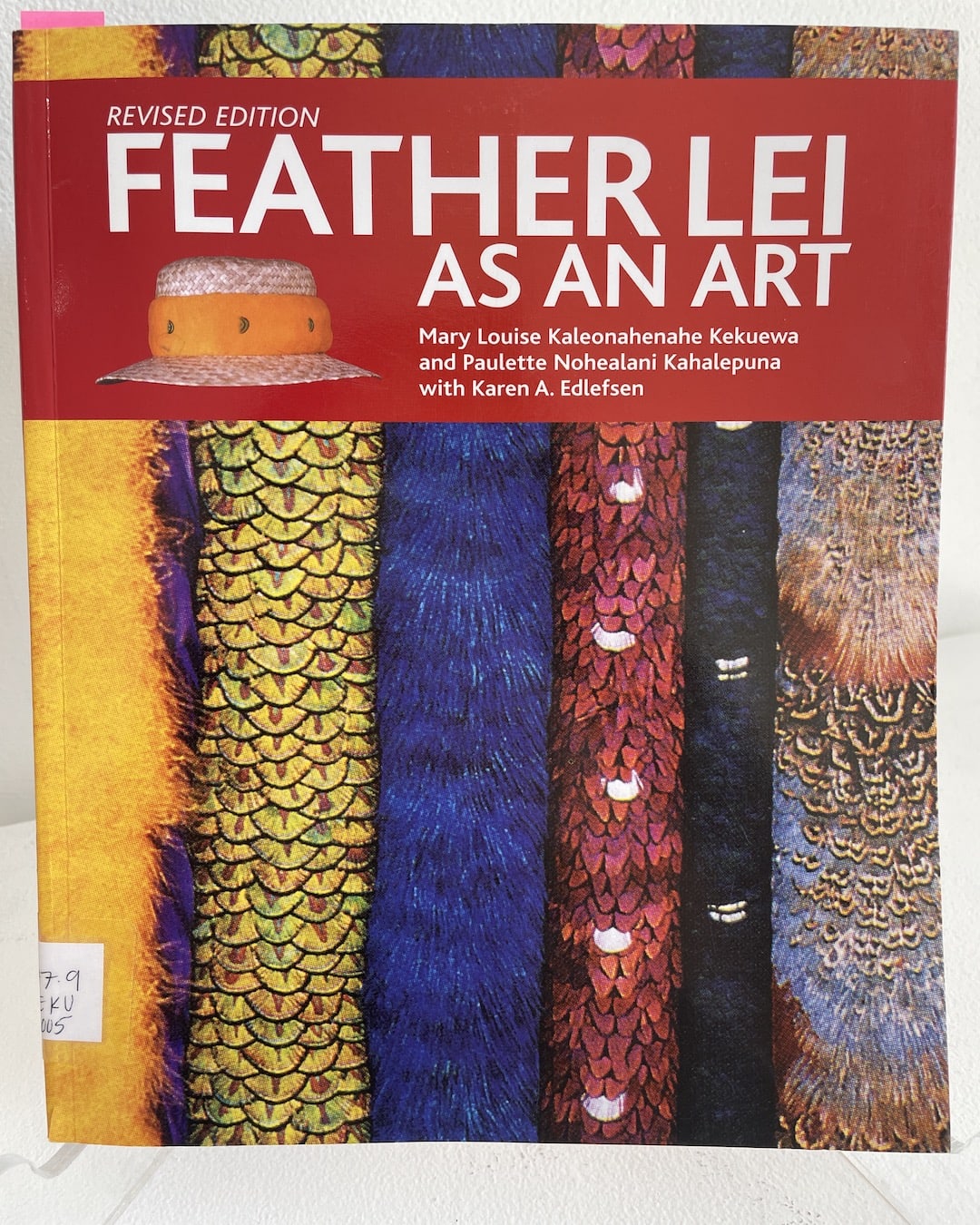
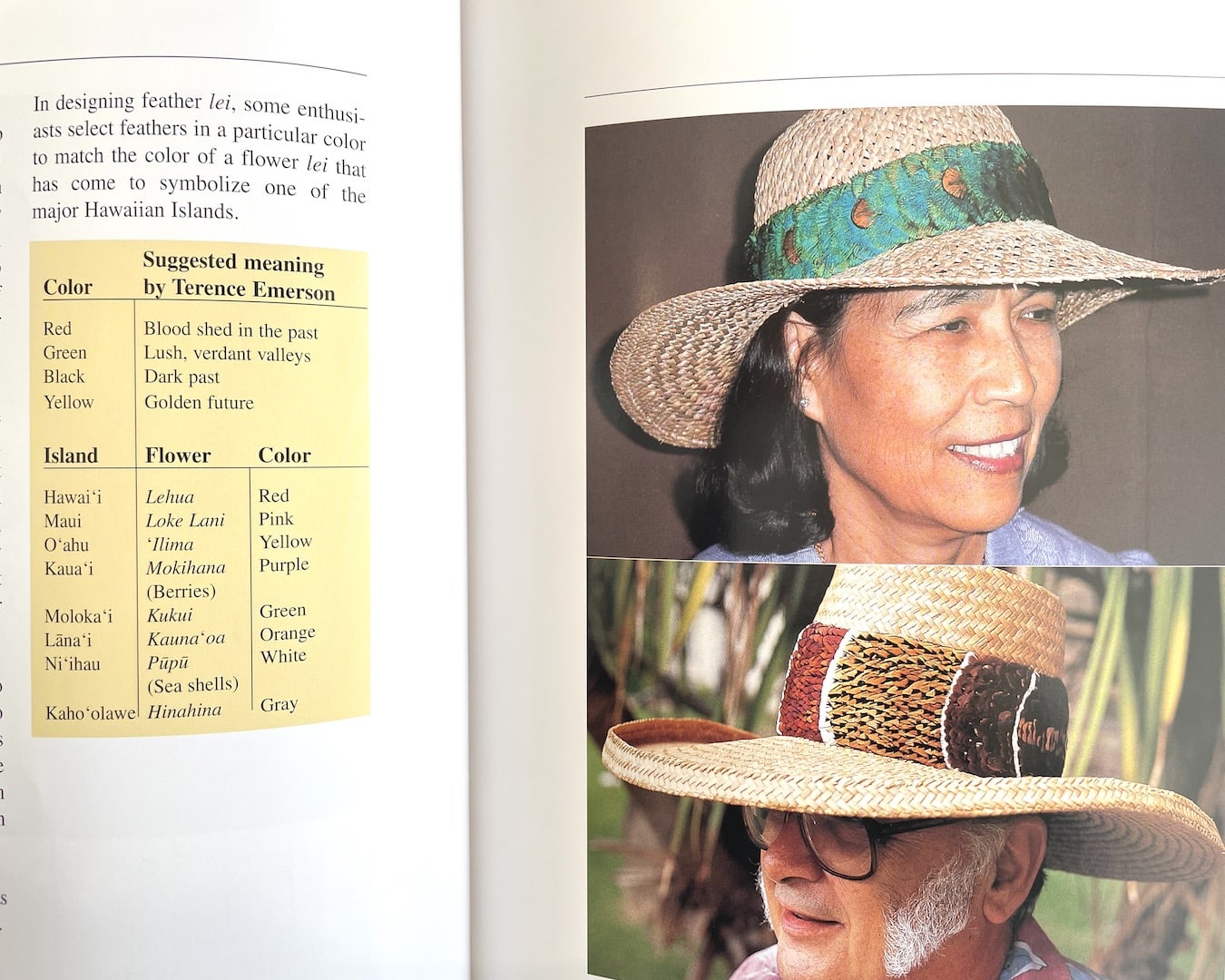
Feather Lei as an Art (2005) by the late and renown Elder Mary Louise Kaleonahenahe Kekuewa and her daughter Paulette Nohealani Kahalepuna.
The native Hawaiian press Mutual Books released this revised and expanded edition 15 years after the original was self-published by the authors to bring it to a wider audience. Boris Huang’s featherwork mentor– Elder Mary Louise was renown as one of the main Matriarchs of lei hulu feather arts, and various diasporic Hawaiian heritage-arts revival movements. This book generously shares layers of history, cultural insights, spiritual symbology, and technical diagrams and approaches to this traditional art practice. Sharing practical criteria for knowing one’s feathers (hulu manu), to feather preparation stages, to making traditional lei (Wli) or more contemporary Humu Papa lei with feathers, and respectfully storing and preserving these iconic feather adornments and uses.
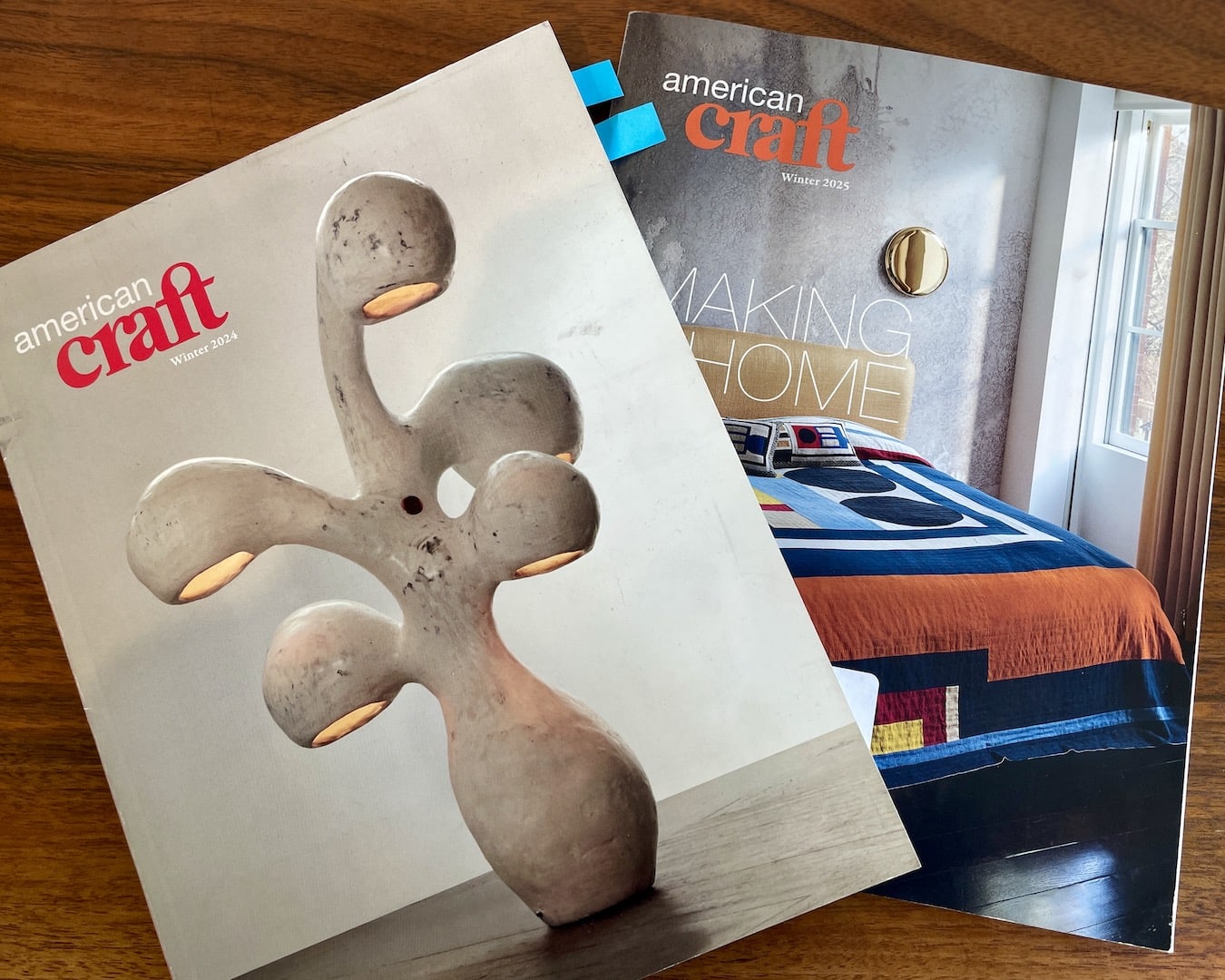
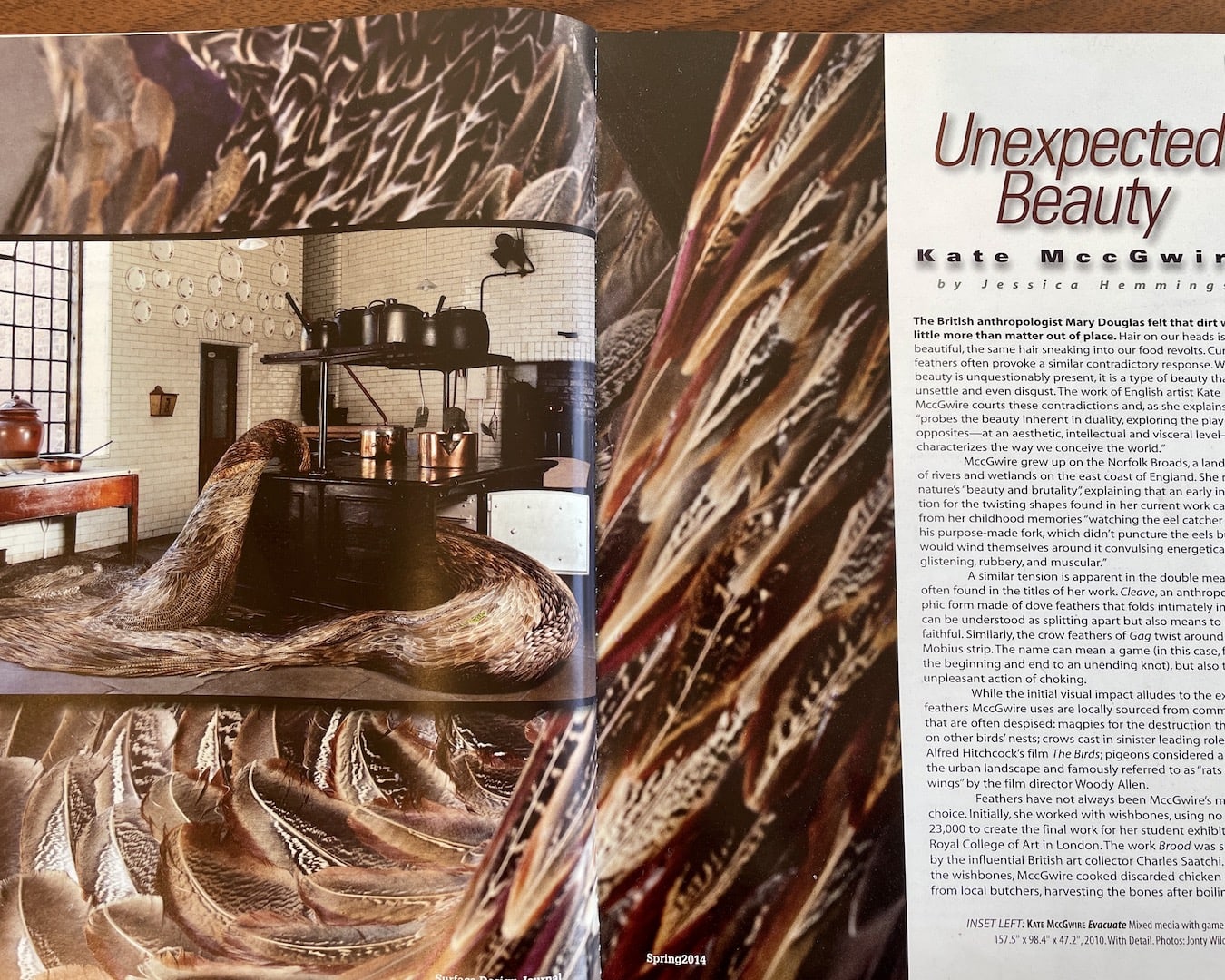
The Craft Center’s library proudly houses over 2,000 periodicals and decades of various art and craft magazines. Librarian Sam has pulled a handful of articles from Surface Design and American Craft Magazines? featuring featherwork and related cultural art history articles. Readers will enjoy short features about Kate MccGwire’s mind-bending feather installation sculptures (Surface Design, 2014, Jessica Hemmings) to New Orleans contemporary mixed media artists to further explore; such as Charles DuVernay, Pippin Frisbie-Calder, Mapó Kinnord, Seguenon Koné, and the late Sylvester Francis, founder of Backstreet Cultural Museum (American Craft, 2024, Katy Reckdahl and Jennifer Vogel).
The library is open to the public: Tuesday – Saturday, from noon to 6pm.
The Craft in America Center Library proudly houses over 3000 books, exhibition catalogs, and more than 2000 periodicals dedicated to the art of craft and related topics.
For further Lbrary or Craft in Schools inquiries, please visit our Library page or contact Education Programs and Library Coordinator sam@craftinamerica.org
Craft Library Update: Special Collections + Back to School with Craft in America
Despite these last couple weeks of lingering heat, things are feeling very autumnal and back-to-school at the Craft Center. Our Craft in Schools team led by (me) Sam Sermeño and LAUSD school partnerships have kicked into full force as we host teaching-artist workshops, art tours, and field trips.
Lately, during field trips curious students have been asking me about our significant craft-art library, so we figure now is a good time to share some library announcements.
Special Collections
All are welcome to visit and browse our newly added Special Collections materials. Over the summer, thanks to generous art and literary patrons, we’ve integrated and catalogued four cubic feet of notable library donations. These recently added materials include books now blended into our general Dewey-Decimal organized shelves; along with a variety of niche art catalogs and unique artist paper ephemera found in our “Special Collections” labeled magazine boxes.
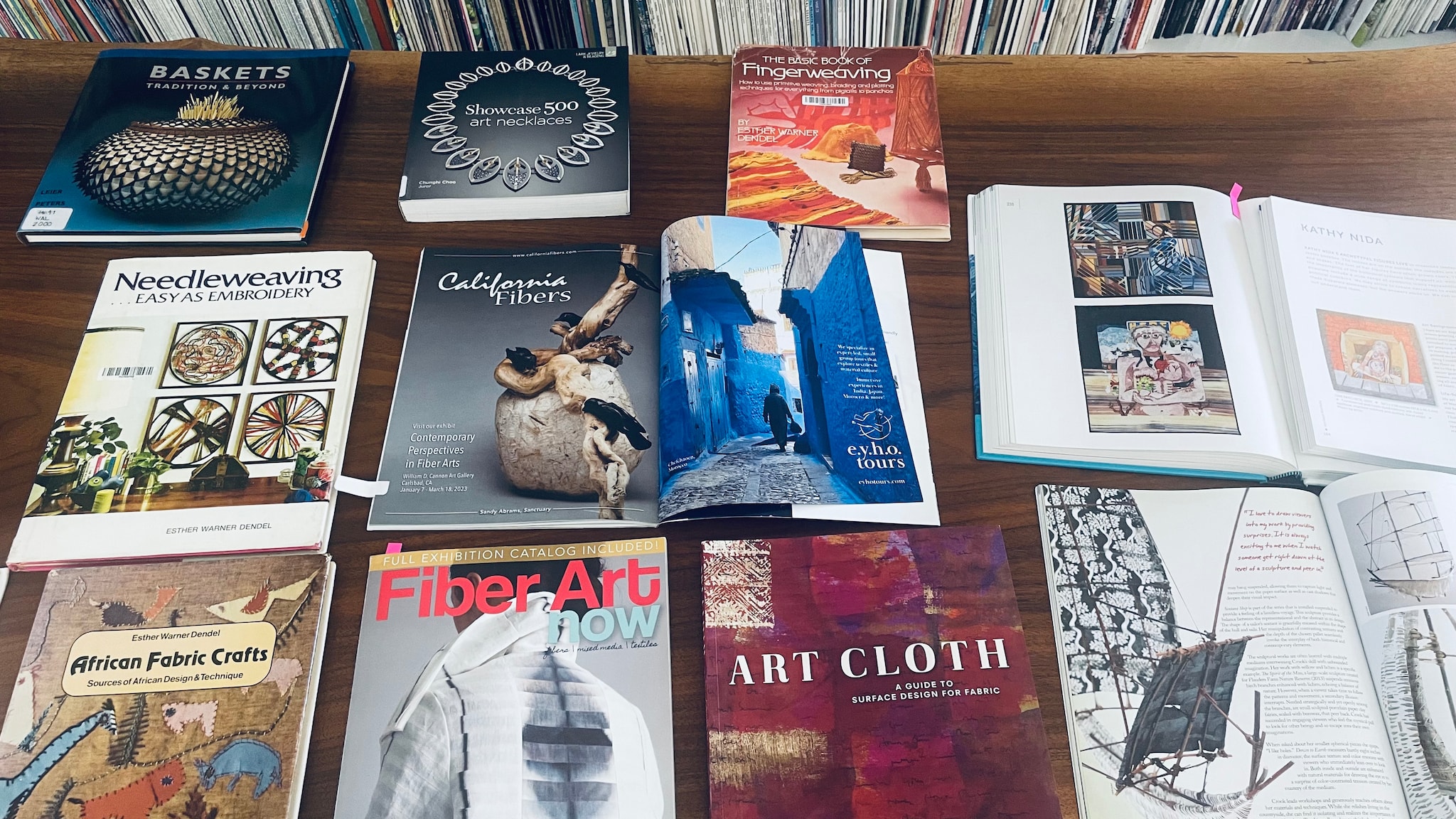
As always, we invite all craft enthusiasts and the wider public to enjoy our current art exhibitions and to browse our in-house library. We’re happy to collaborate with artists, curators, and fellow art nerds in general craft research and information resourcing as well. Currently, our gallery/library space (previewed below) features an interactive/browsable display of magazines, books, and manuals around fiber arts connected to the work of our Fall 2023 Influences-Influencers: California Fibers Exhibition.
The library is open to the public: Tuesday – Saturday, from noon to 6pm.
The Craft in America Center Library includes over 3000 books, exhibition catalogs, and more than 2000 periodicals dedicated to the art of craft and related topics.
For further library or Craft in Schools inquiry, please visit our Library page or contact Education Programs and Library lead sam@craftinamerica.org
Karyl Sisson Magnifies Microscopic Organisms in her Exhibition at the Craft in America Center
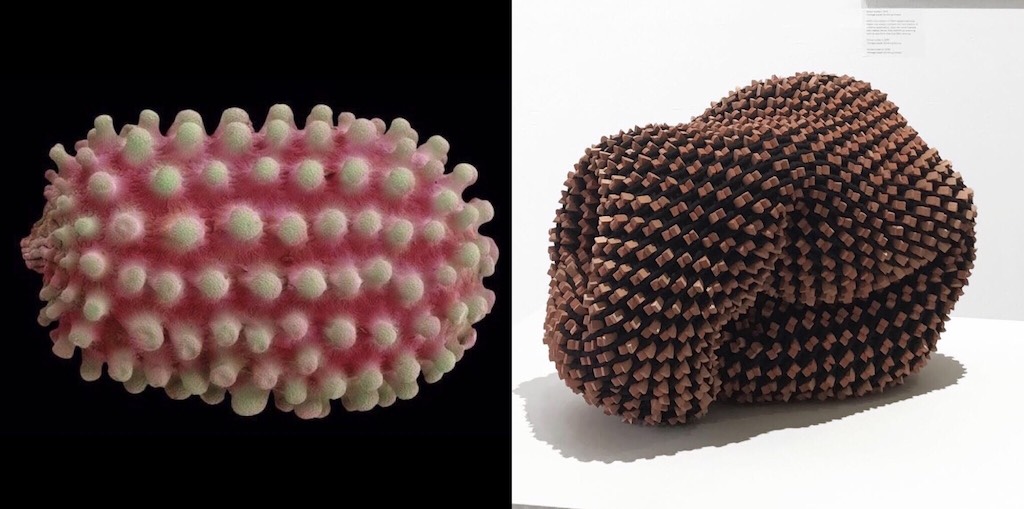
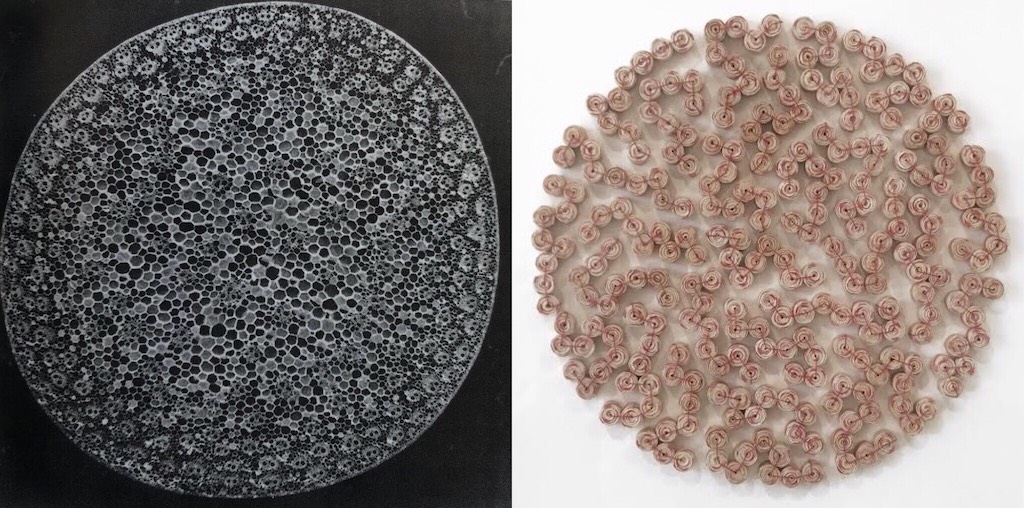
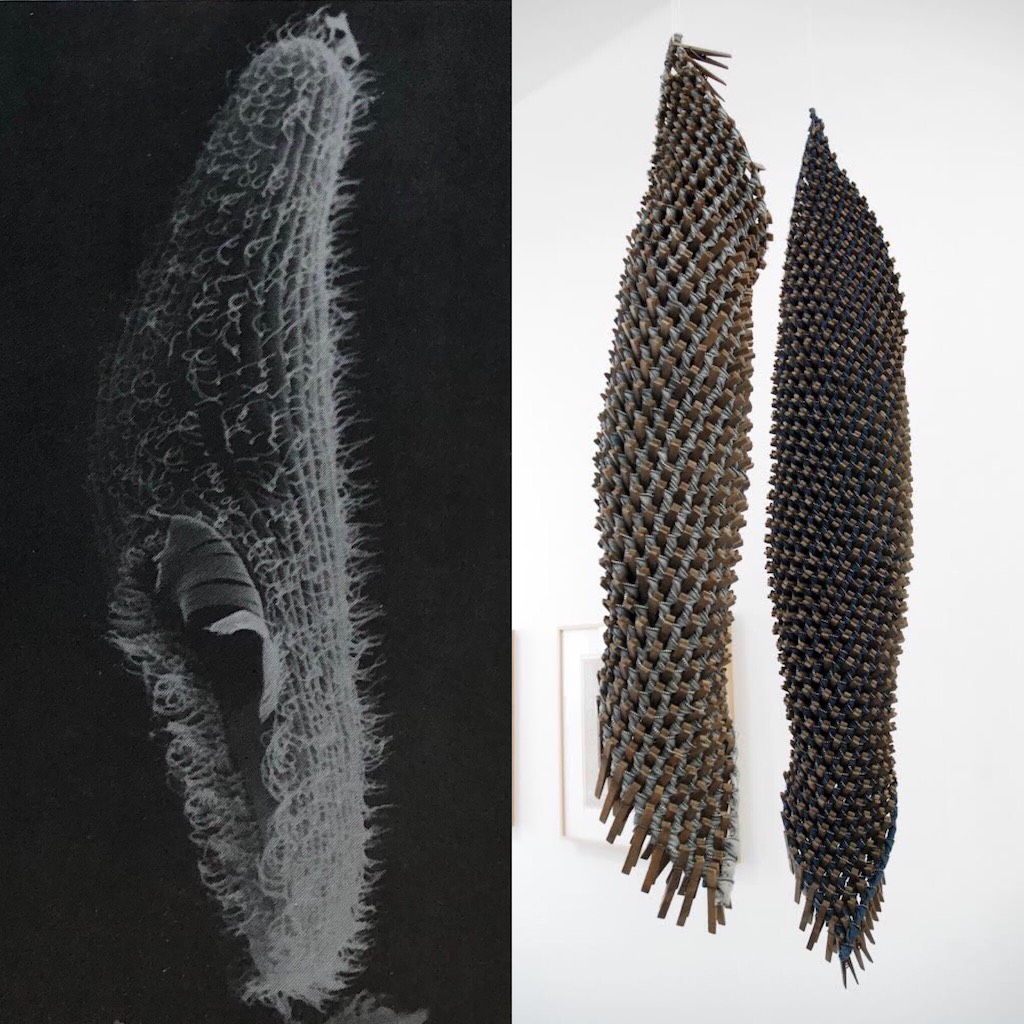
Not only an artist, but a collector as well, Karyl Sisson produces her work from vintage objects that she has found over the years. Sisson takes the collected objects– such as measuring tape, vintage wax straws, zippers, clothes pins, and more– to create her sculptures. She manipulates these common, yet rare objects in ways that take a certain shape or form that fit to her liking. The forms that her works take are reflections of the images that she has seen in books such as A Beginner’s Guide to Constructing the Universe: The Mathematical Archetypes of Nature, Art, and Science, Seeds: Time Capsules of Life, and Living Images: Biological Microstructures Revealed by Scanning Electron Microscopy, all of which are included in our library collection.
Although these books vary in topic, Karyl Sisson sees a common quality in each that influence the shapes and forms of her works. While Sisson does not directly imitate the images in the books, the patterns and shapes that are shown in the images provoke her creativity further and encourage her practice. For instance, the photographs seen in Living Images come from microscopic snapshots of various microorganisms. The forms that many of the organisms in the book take tend to be very unique and organic in structure, much like her works made from zippers and/or clothes pins. Following a similar concept, Seeds features close-up photographs of seeds that also take on unique structures and patterns. The images featured in A Beginner’s Guide to Constructing the Universe demonstrate how the mathematical principles are manifested into things like flowers, shells, plants, crystals, and the human body.
These books and other literature associated with Karyl Sisson are currently on display through July 6th, 2019 as part of the Karyl Sisson: Fissures & Connections exhibition for guests to flip through. Check out our Library during our open hours to take a look at the rest of the books in our collection!
The Craft in America Center’s Library Holdings Online
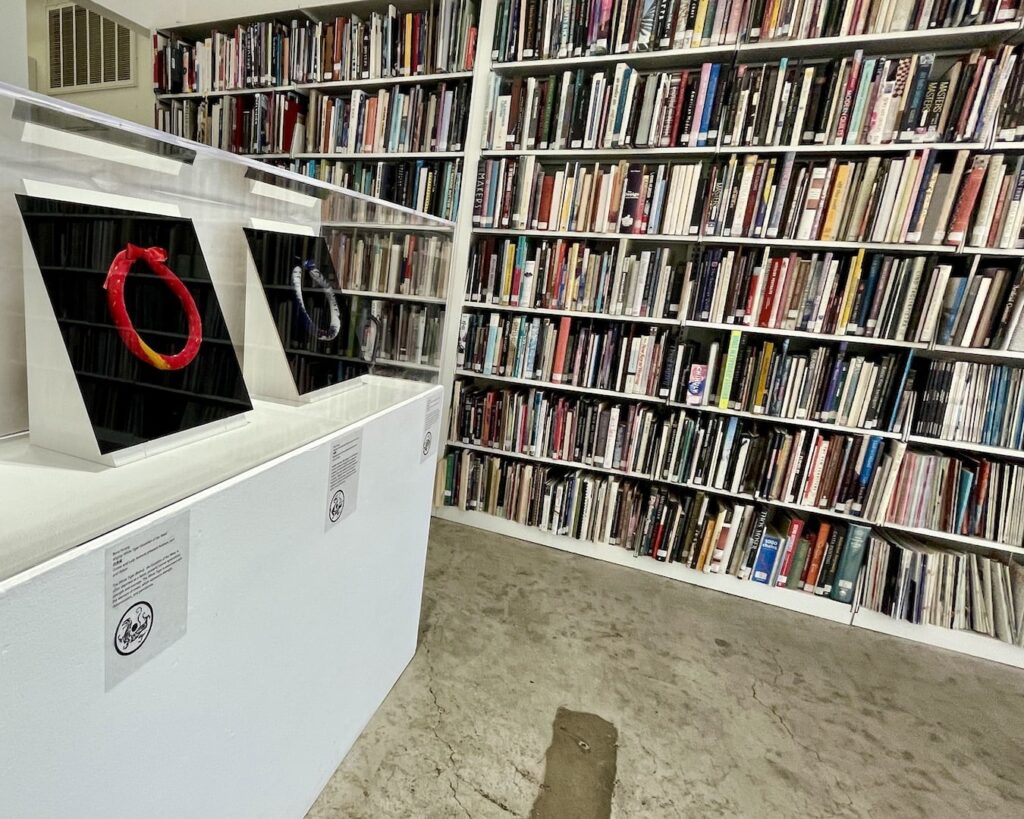
The Center has spent the past year revamping its specialized library and cataloging its resources. We have installed brand new library shelves, which have given us plenty of space to house our over 3,000 books, catalogs, and magazines, and to display selected artworks from our permanent collection.
The new library project began last summer, when our previous library shelves could no longer hold our growing collection. We decided we needed stronger and more spacious shelves that would allow us to comfortably store our books and display our art collection. During the months leading up to purchasing and installing these new shelves, our staff became fluent in the Dewey Decimal Classification system in order to properly catalogue our books. While learning the DDC system, we acquired a subscription with OCLC and now any OCLC members can view Craft in America’s holdings on WorldCat.com! The public is also now able to view and search titles in our collection on our website at www.craftinamerica.org/page/library.
We hope visitors and scholars will make use of Craft in America’s vast resources. We are aways available to help with any inquiries anyone may have relating to our library holdings at the Center, please feel free to call us at 323-951-0160 or email us at info@ if you have any questions.
A gem in our library
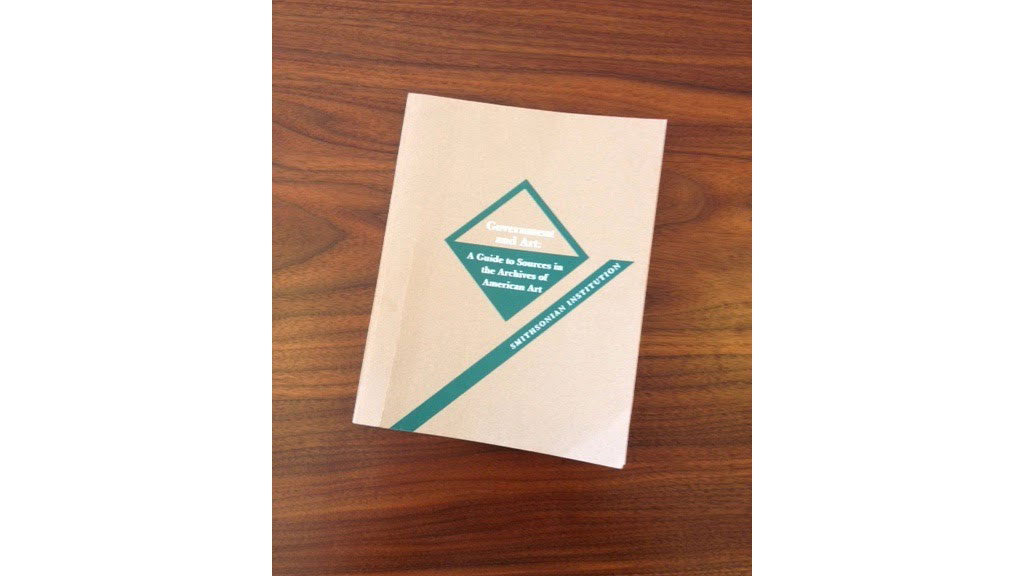
In the spirit of the SERVICE episode (premiering on PBS November 2nd*), we thought we’d share one of our indispensable references throughout the course of our research available in the library at the Center: Government and Art: A Guide to Sources in the Archives of American Art.
Founded in 1954, The Archives of American Art is an initiative of the Smithsonian Institution to preserve the voices of our country’s legendary artists. According to their website, “With over 20 million items in its continually growing collections, the Archives is the world’s largest and most widely used resource dedicated to collecting and preserving the papers and primary records of the visual arts in America.”
In Government and Art, you can find the names of artists whose life and work has been documented by the Archives, including those who benefited from the G.I. Bill and many other support agencies like the Works Progress Administration.
*check local listings
From the shelves: The Furniture of Sam Maloof
In honor of our recent visit to the Maloof Foundation, we pulled this from our library:

The Furniture of Sam Maloof by Jeremy Adamson
(Smithsonian American Art Museum, 2001)