Happy Earth Day! Art from Craft in Schools 4th graders and Calder Kamin
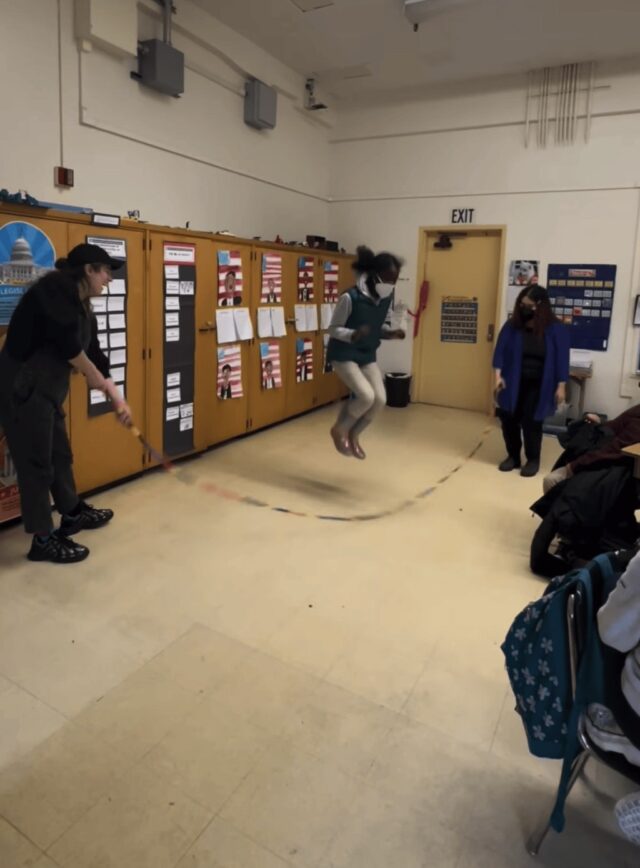
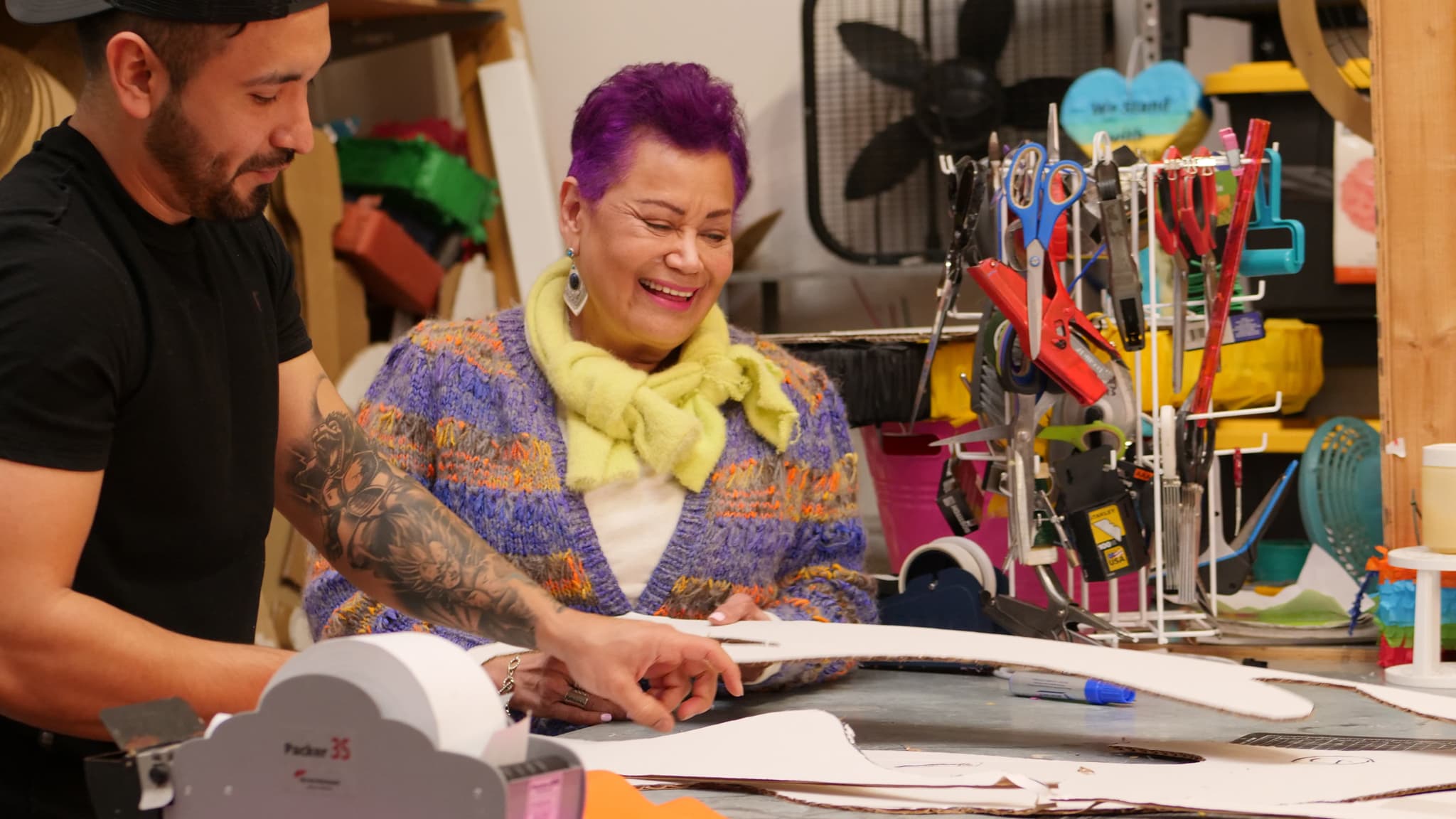
Earth day is just a few days away! Our Craft in Schools program had a blast hosting reclaimed/reuse artist and sustainability advocate Calder Kamin for our Winter field trips. Our young, neighborhood artists from Mrs. Dror’s Rosewood Elementary 4th grade class were especially inspired by Calder’s work, artist conversations, and reclaimed-art hands on projects. As a group we repurposed marker caps to create a vibrant jump rope (photo at very end, below).
These 4th graders related to Calder’s message of ecological stewardship and environmental values. Calder shared her artist’s journey and ethos for using recyclable materials to address and reduce waste problems through her art residencies. We had lively classroom conversations around the recurring theme of transforming the human made problem of waste into art– because “nature never wastes, that’s why I(Calder) reuse!” In turn, these 4th graders shared about their student-led recycling club and how they repurpose everyday objects for creative and inventive projects. Environmental care and creativity~ what fun!
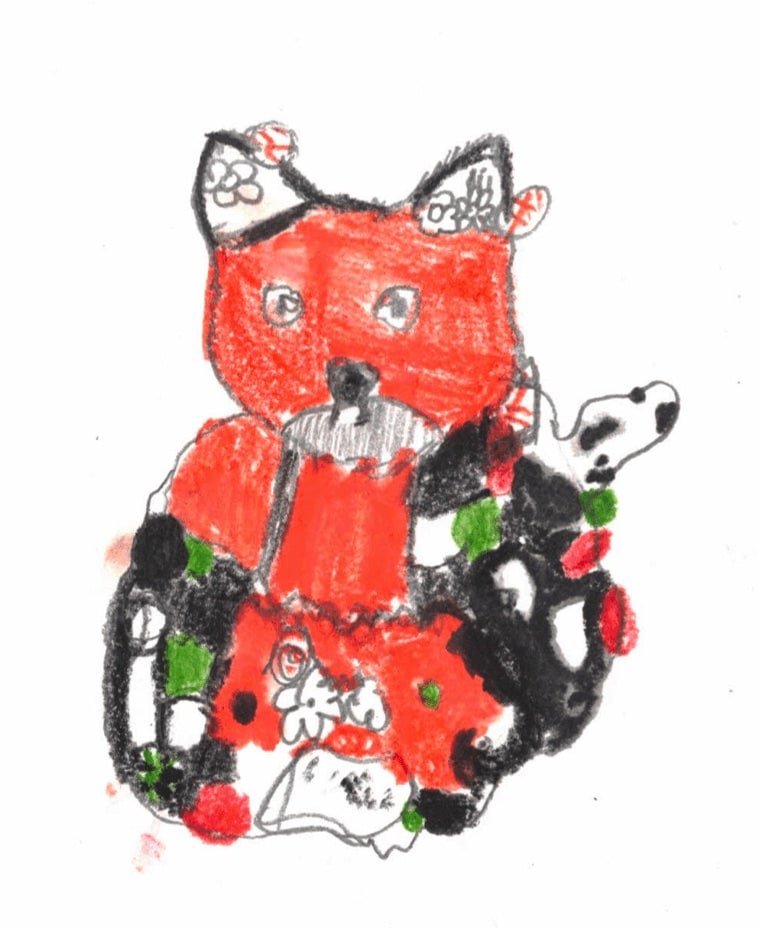
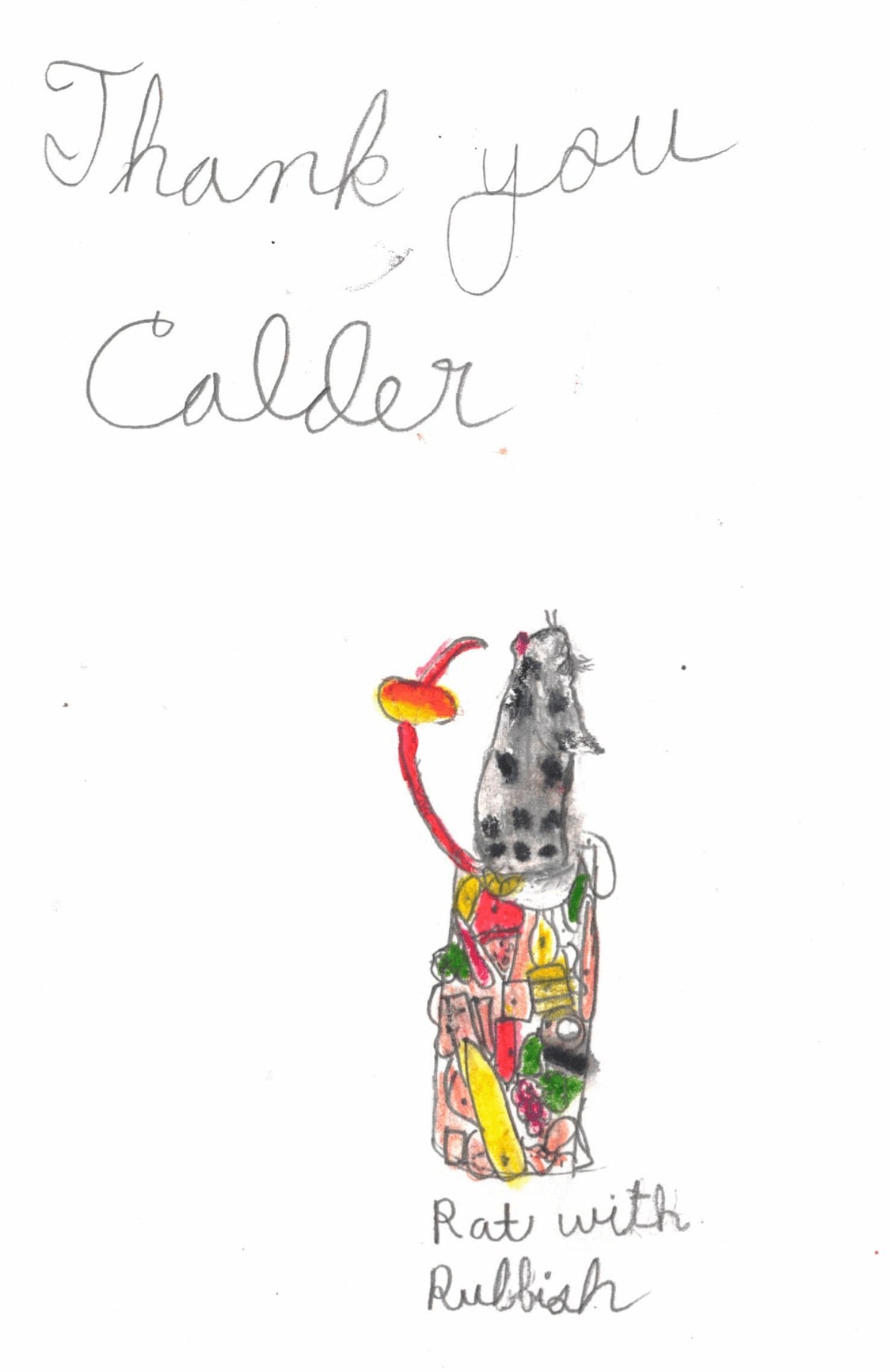
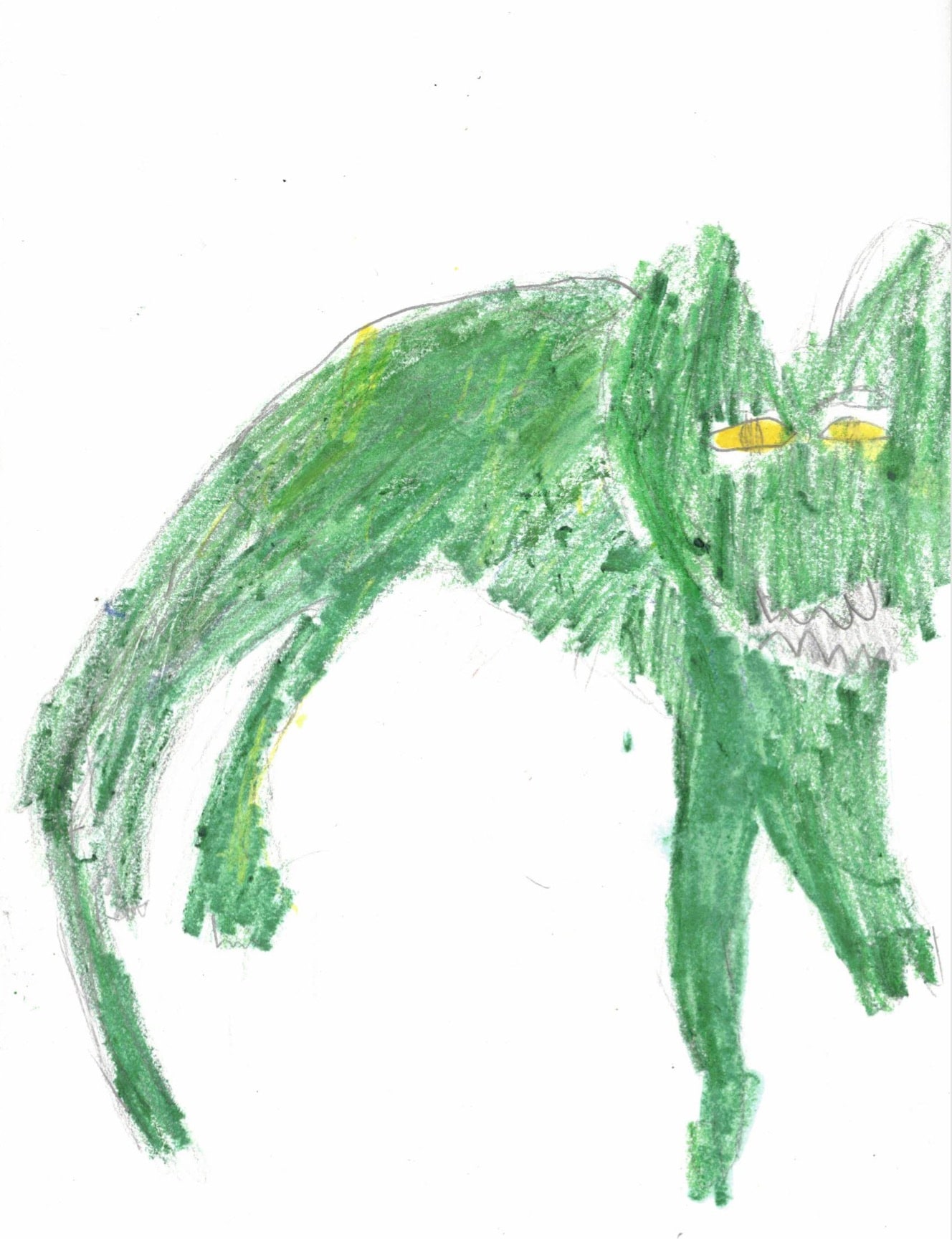
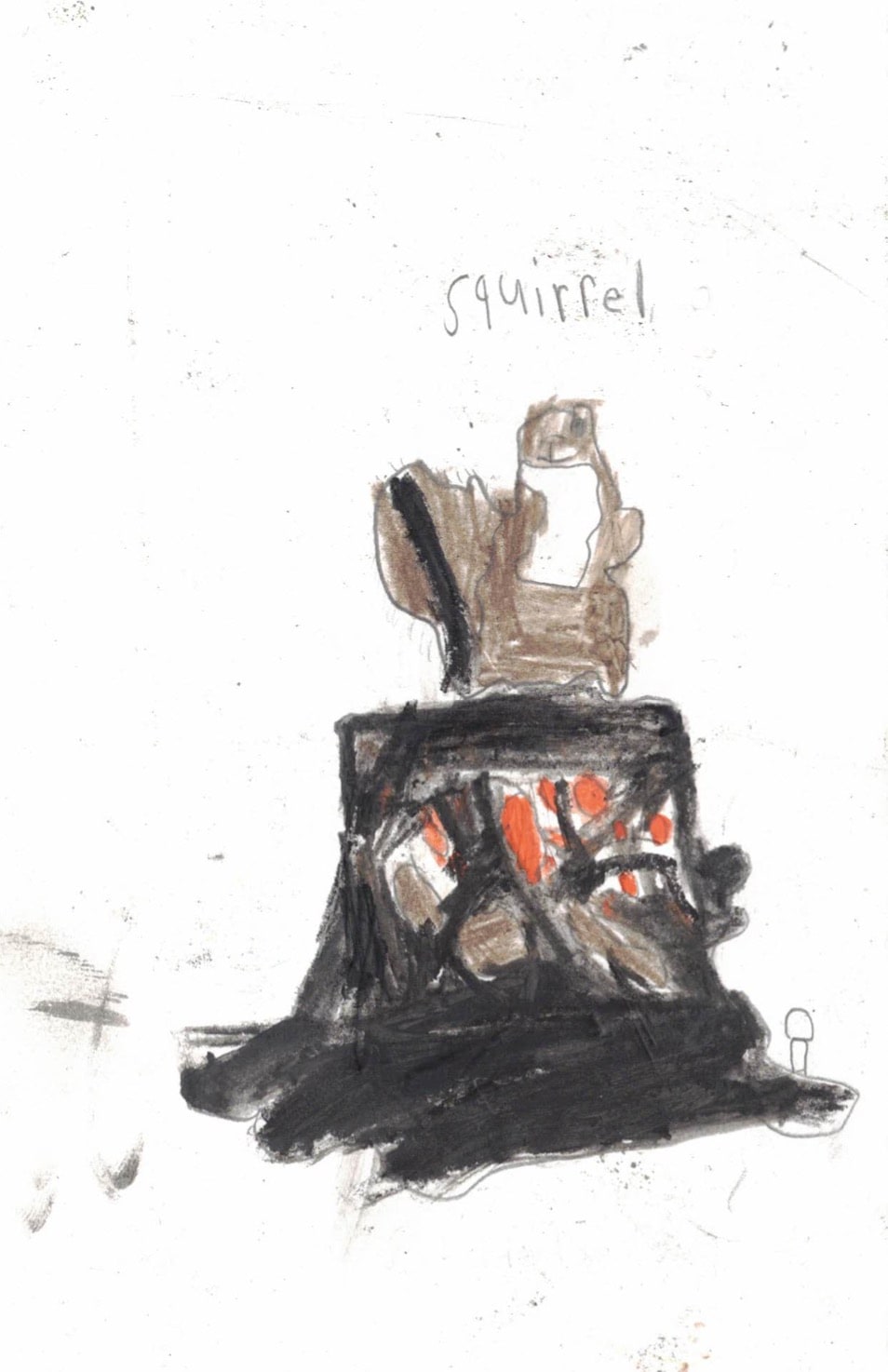
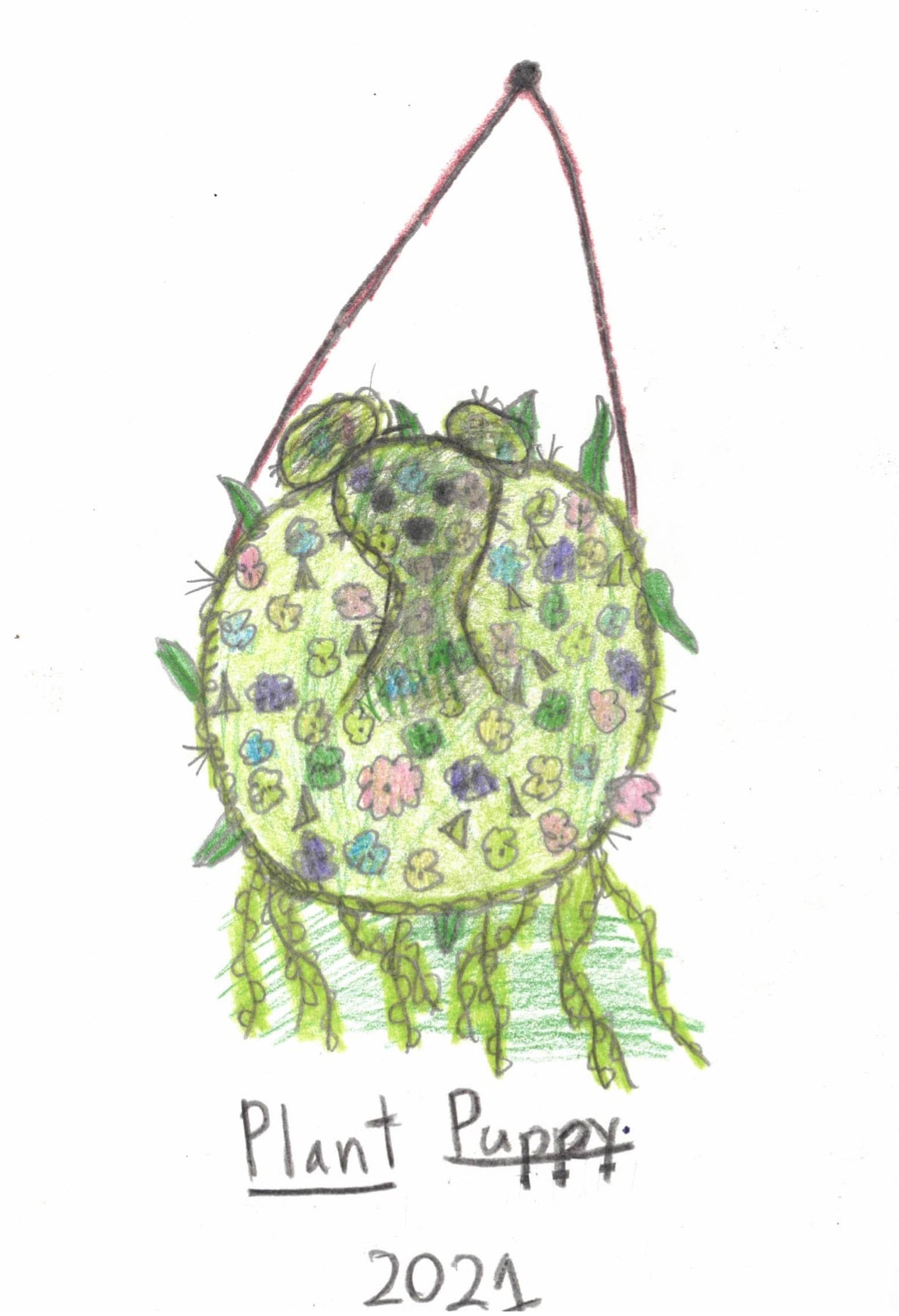
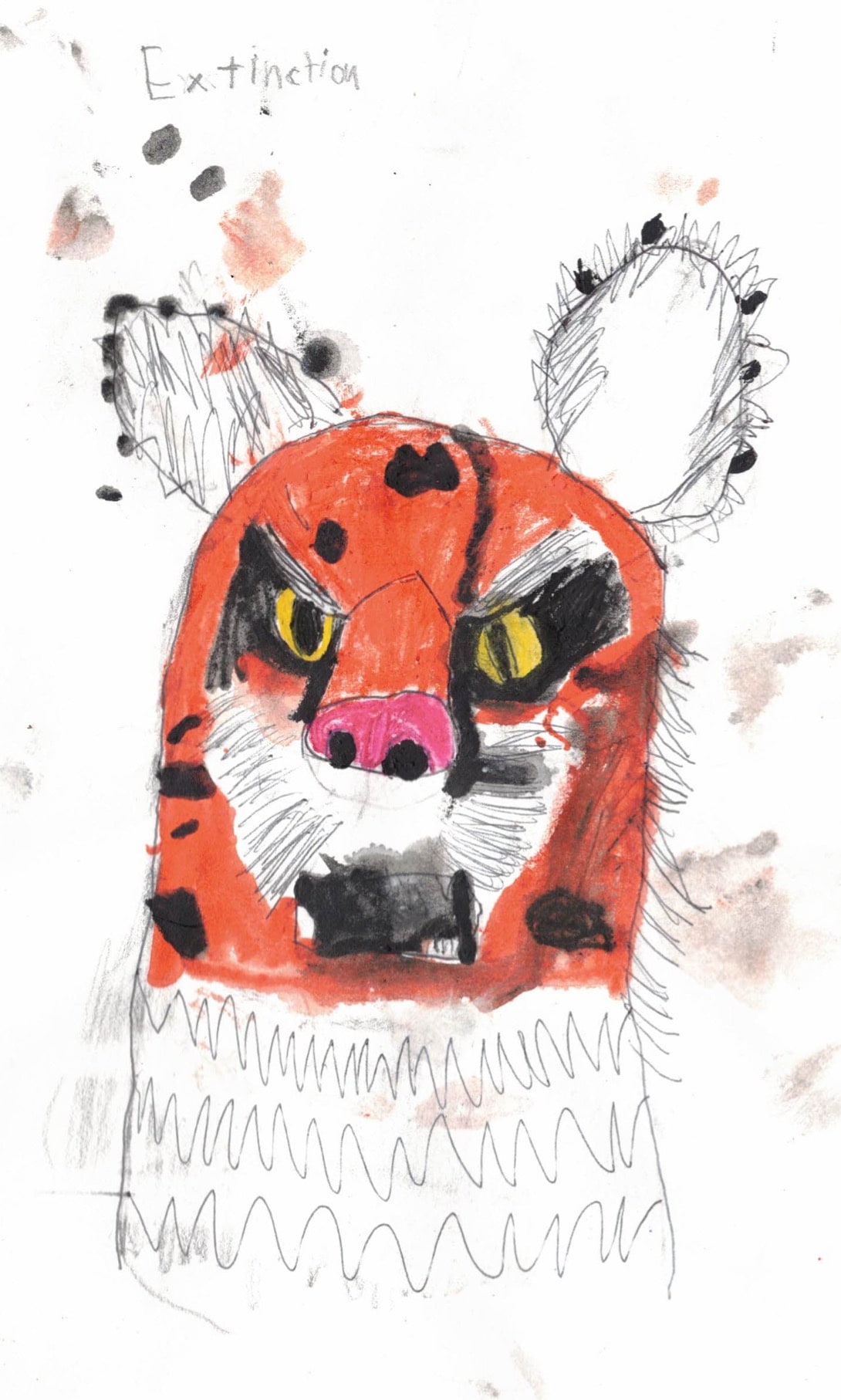
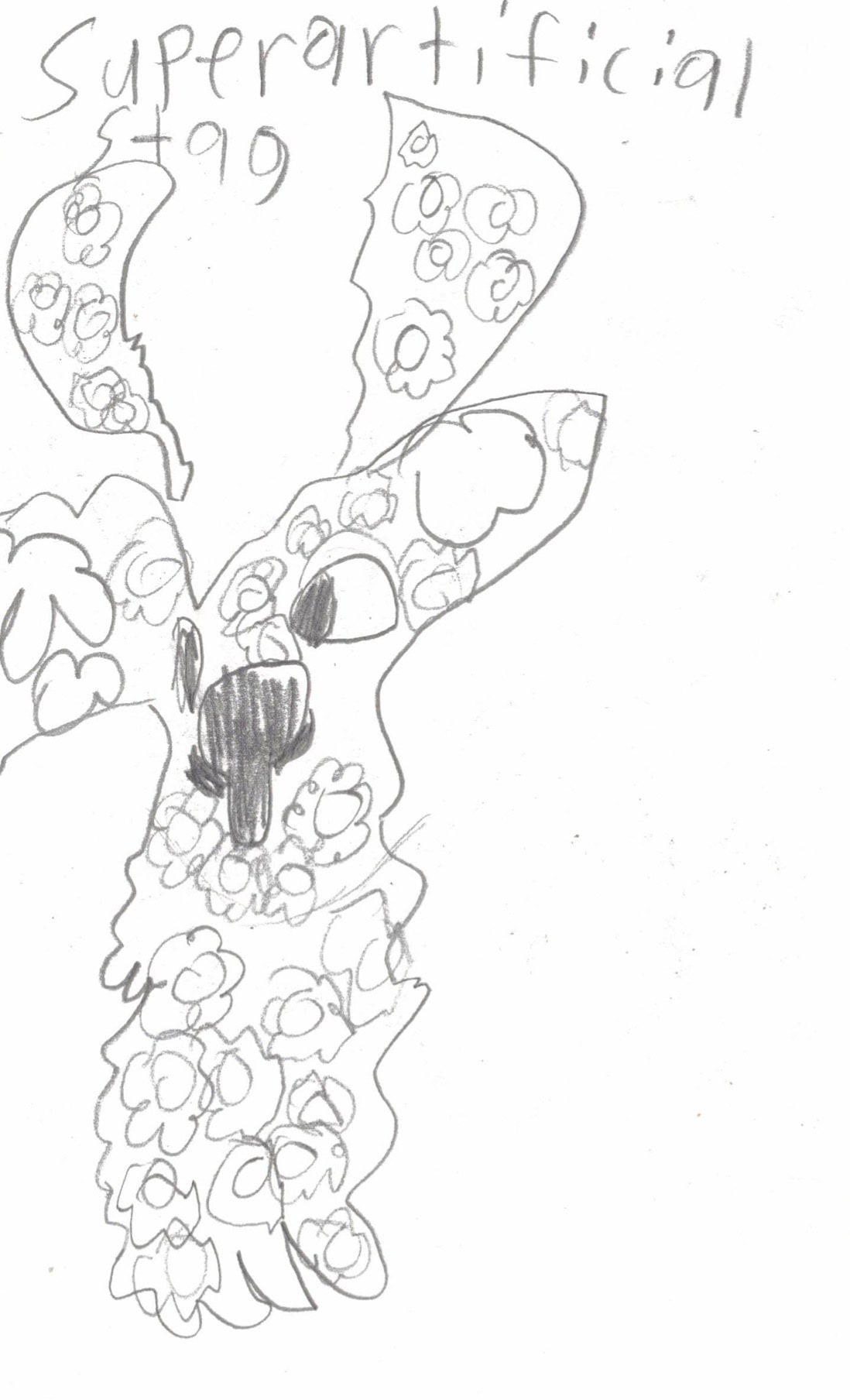
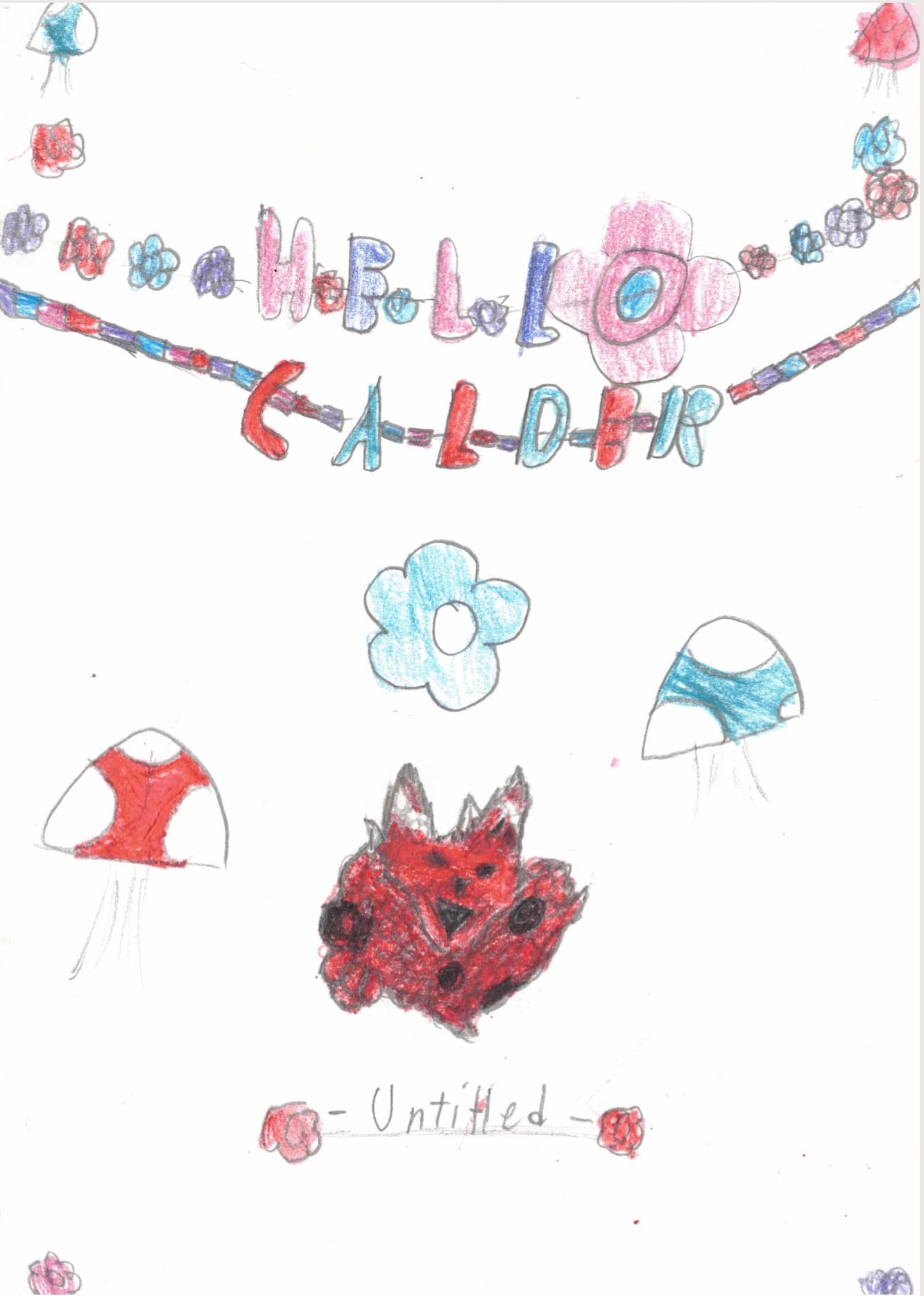
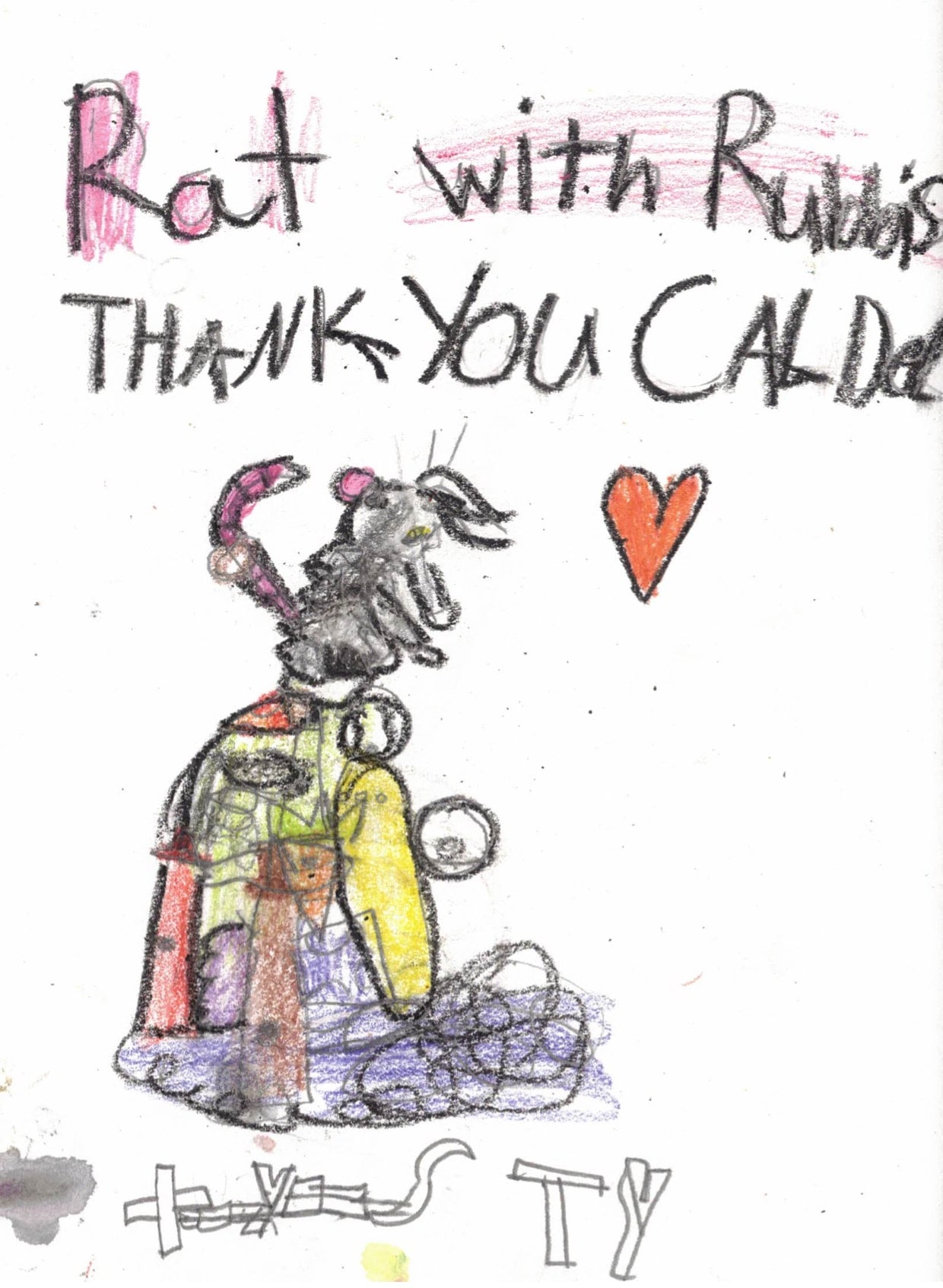
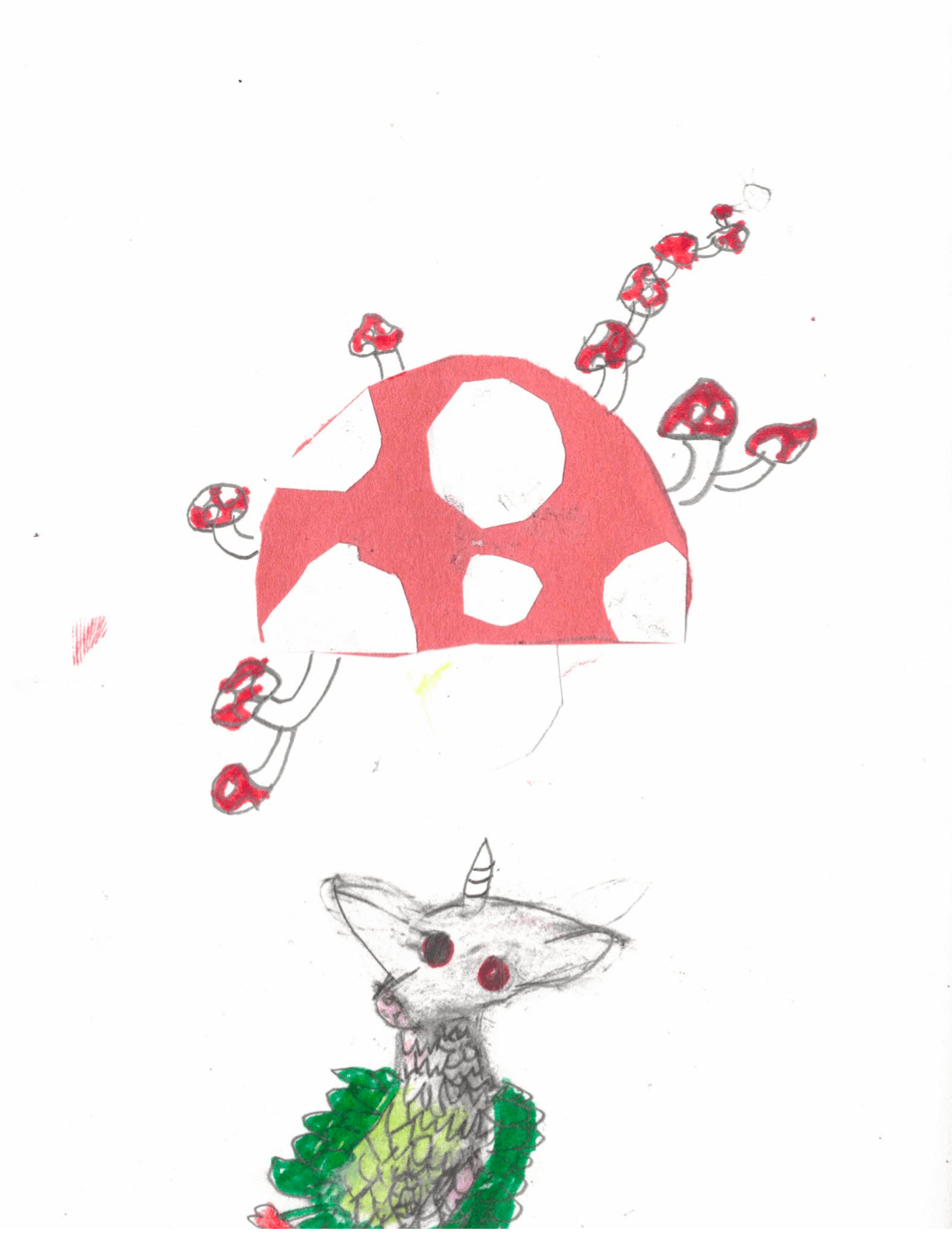
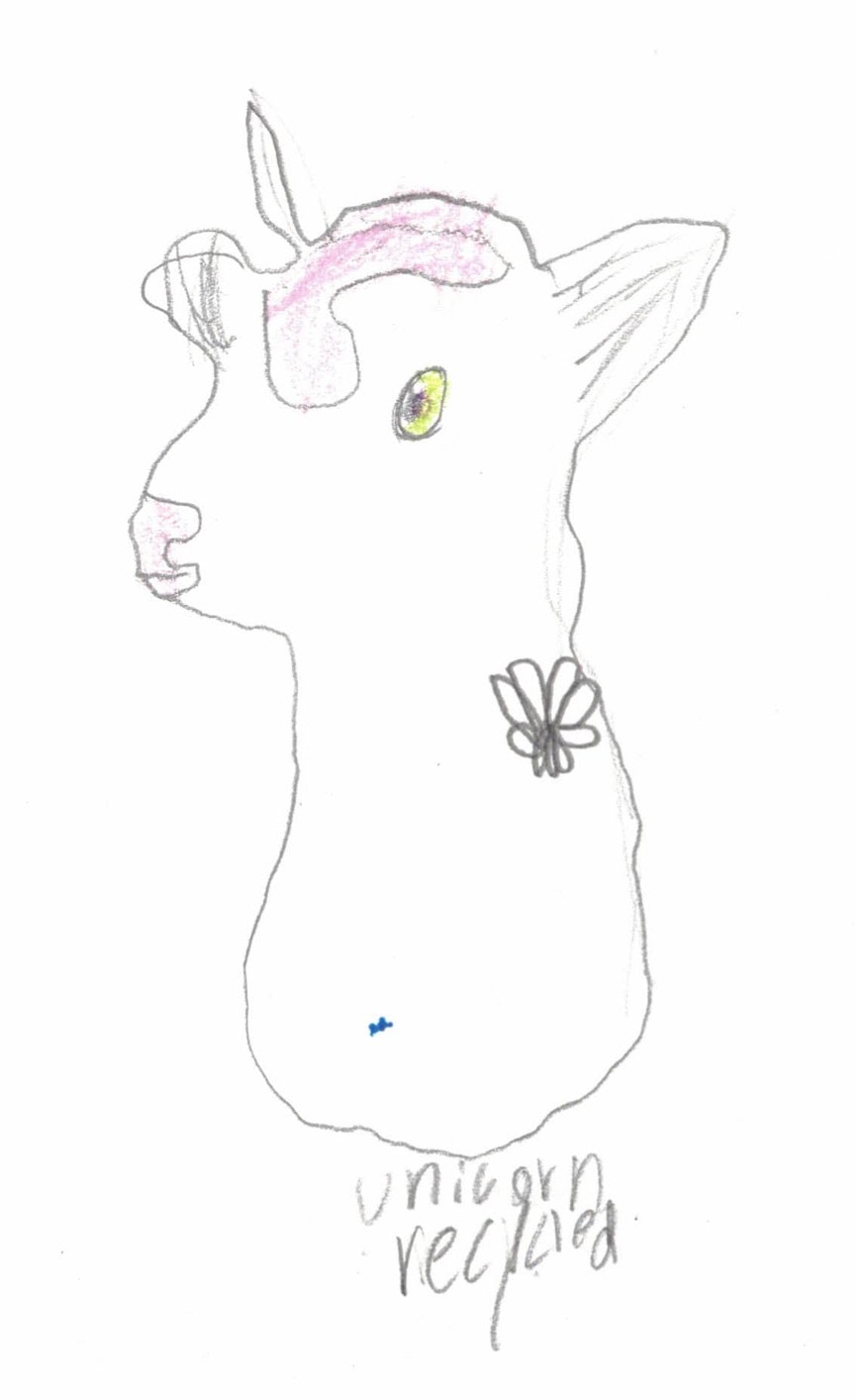
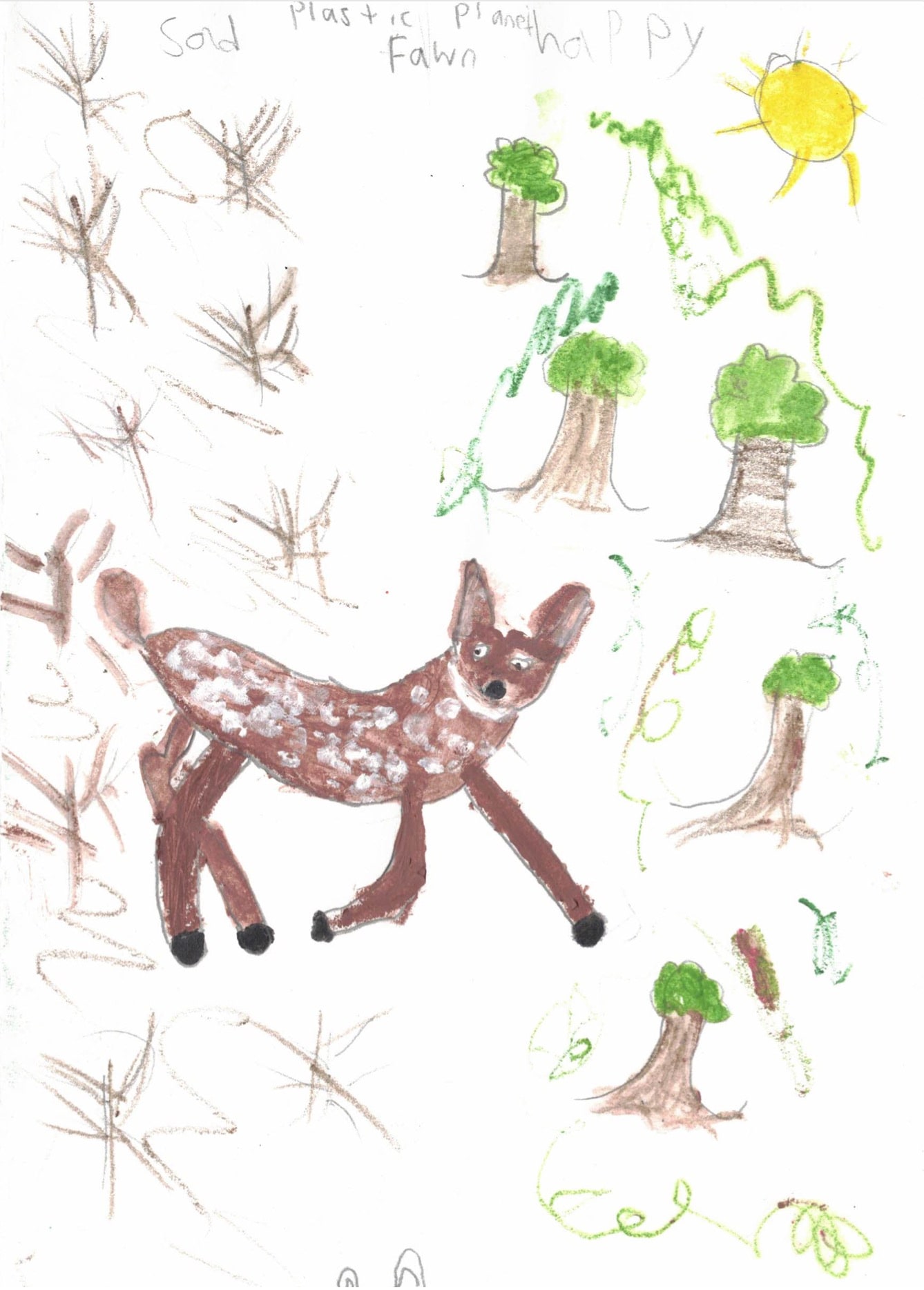
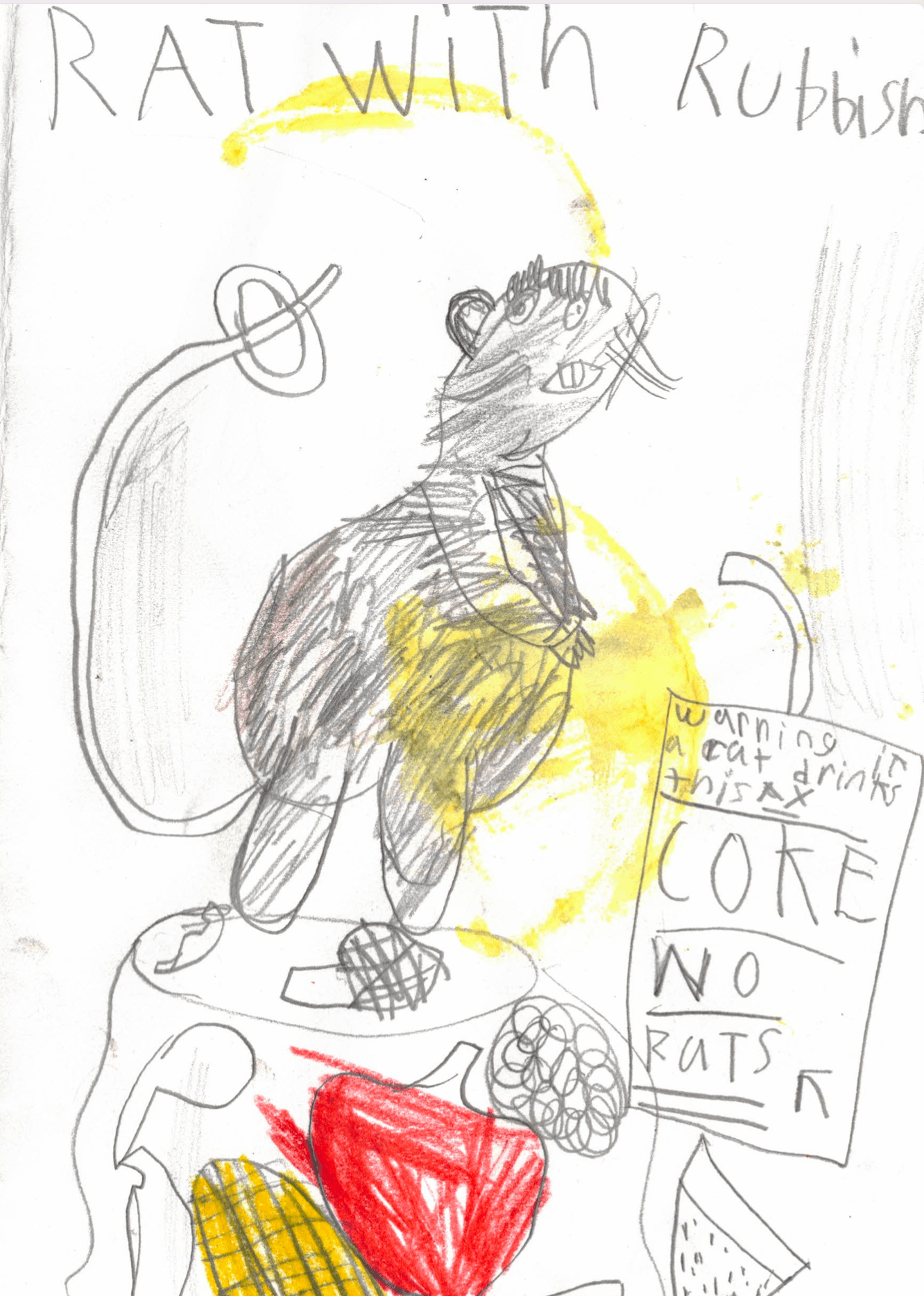
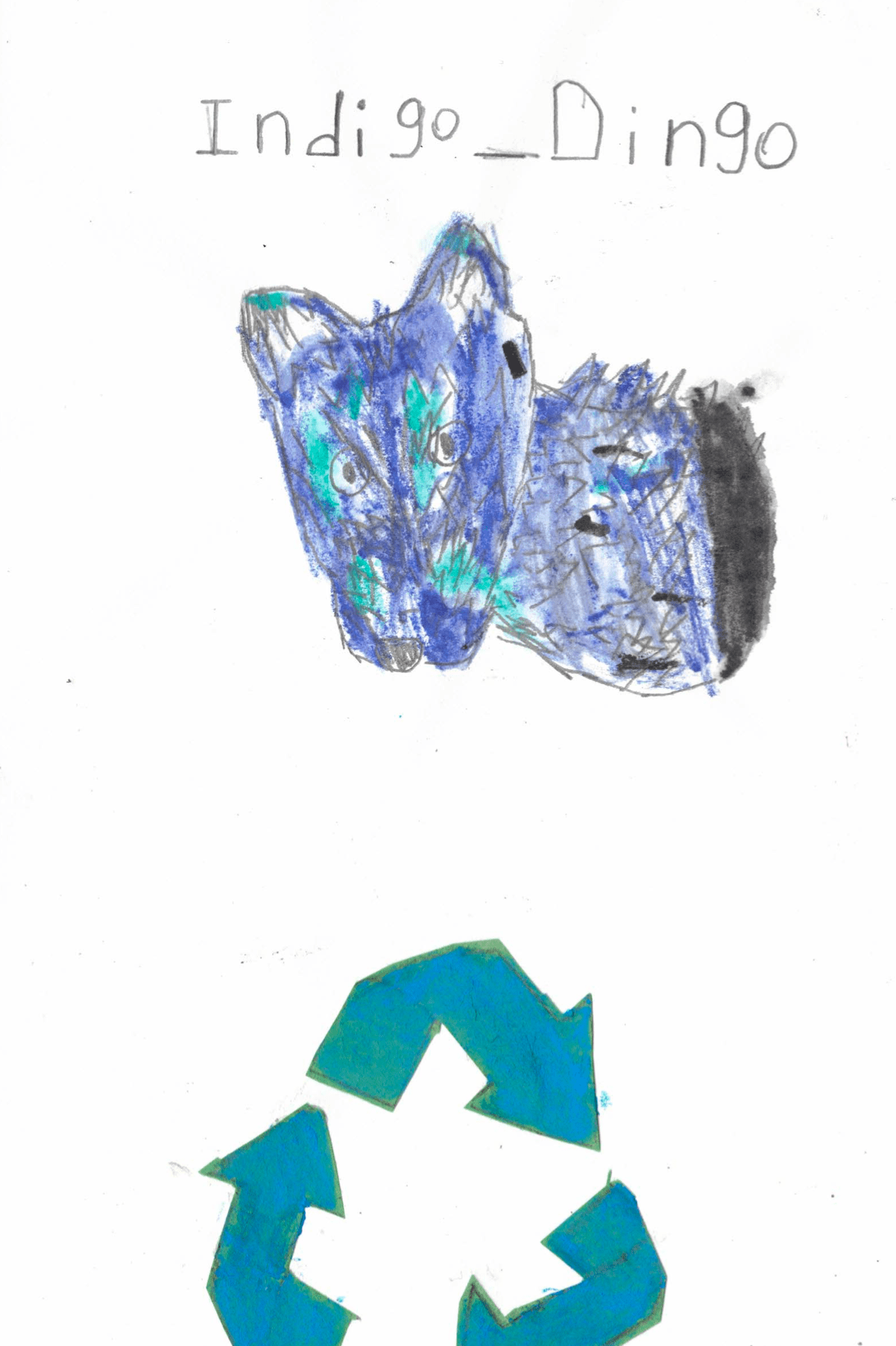
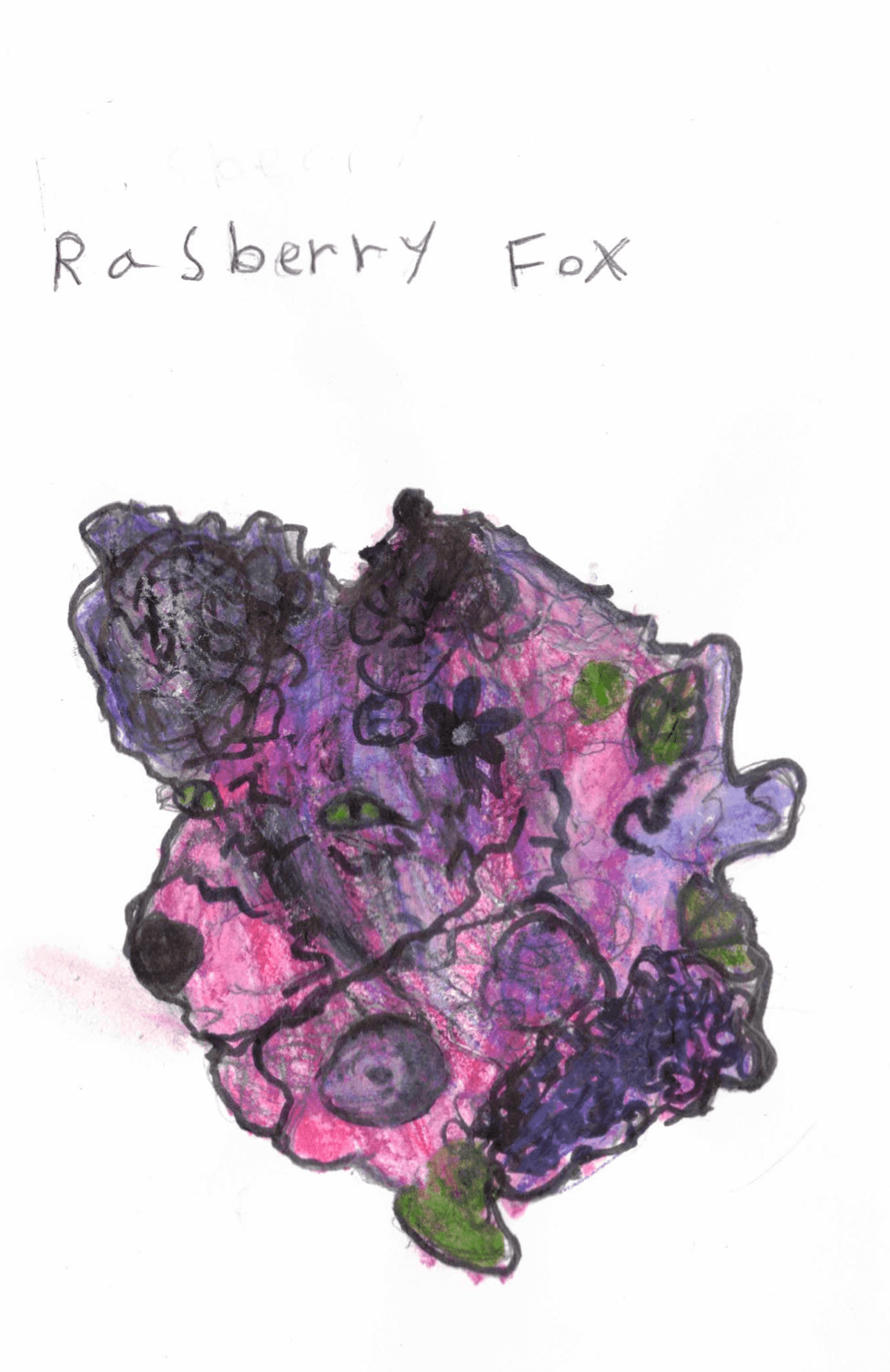
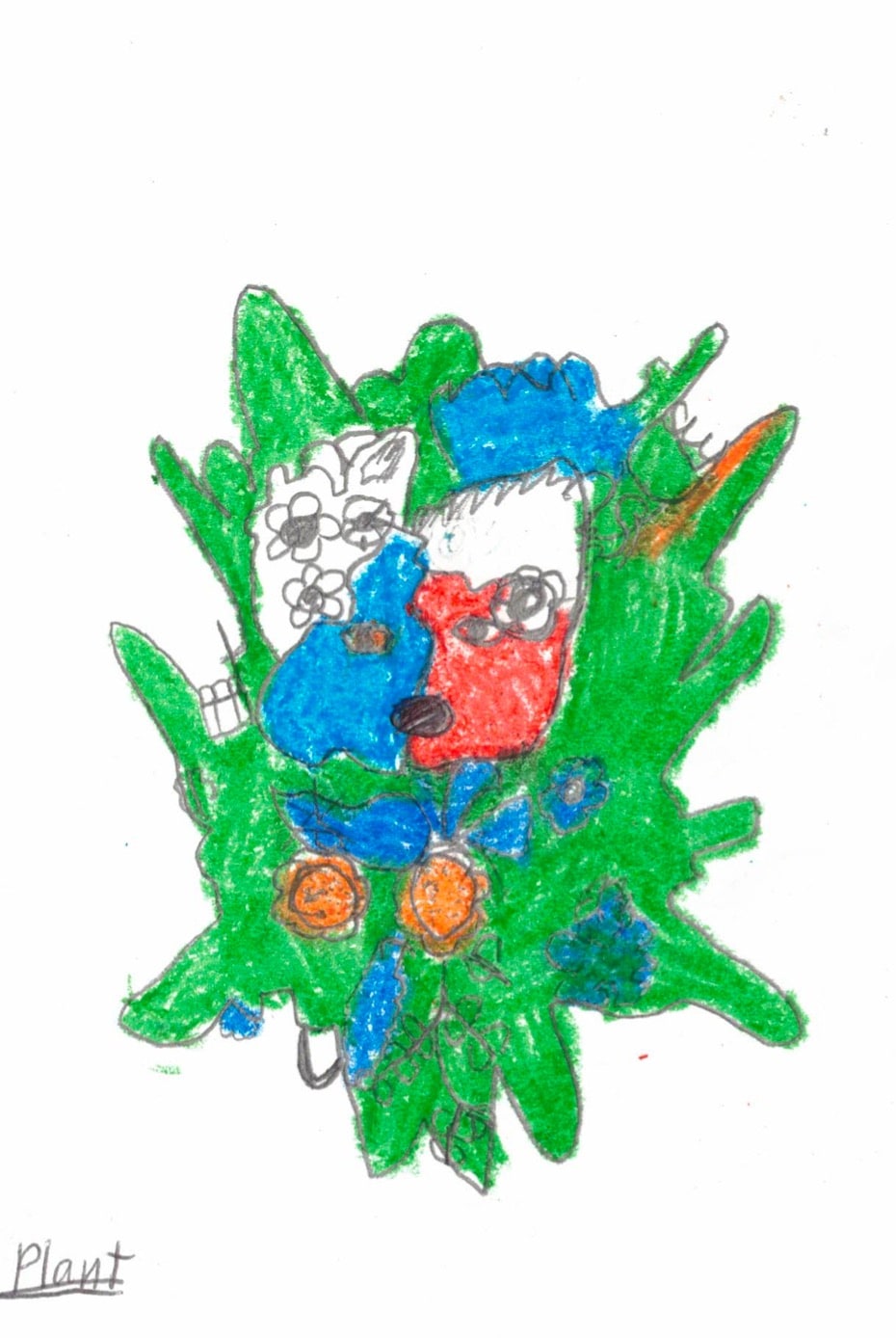
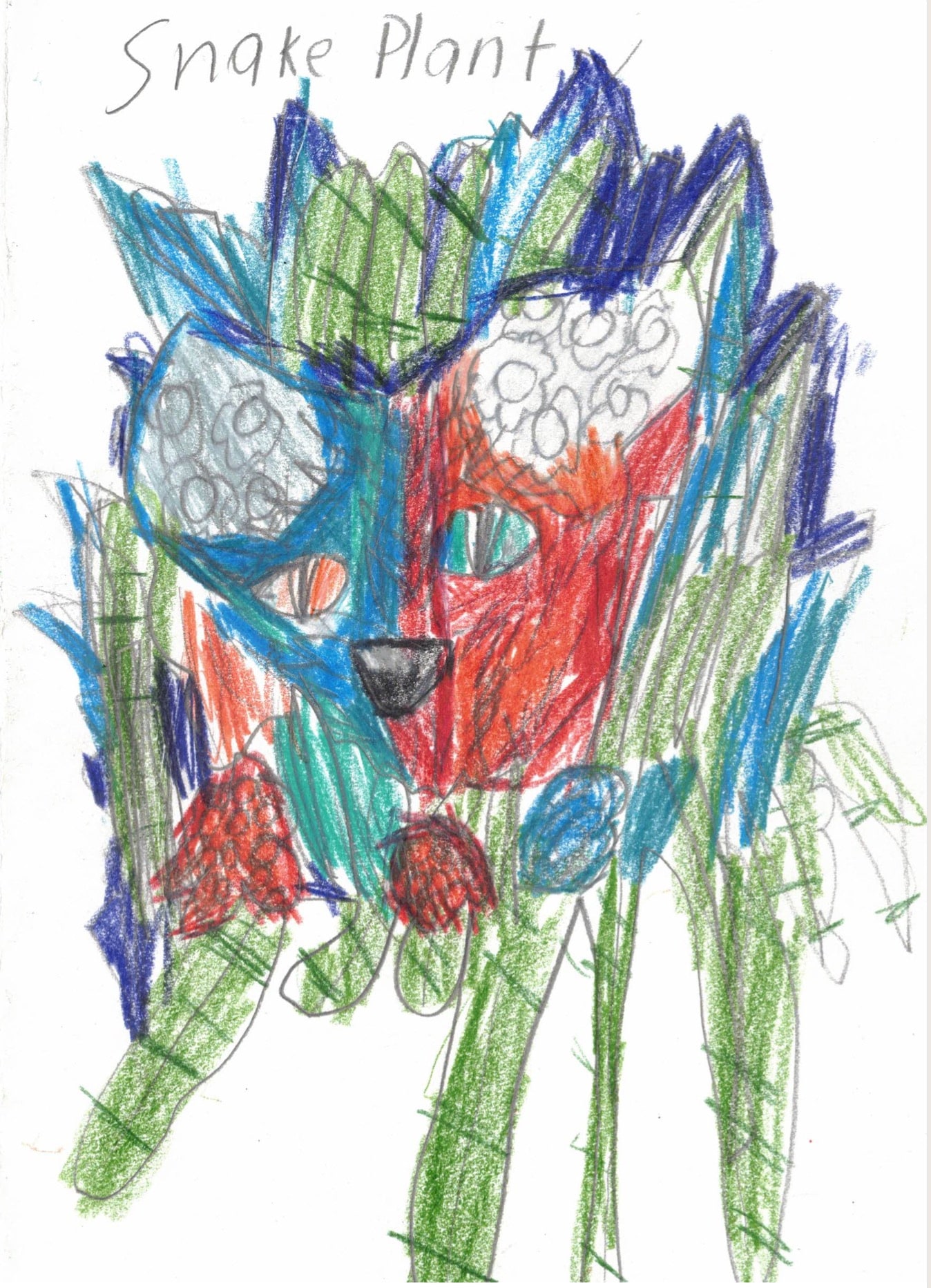
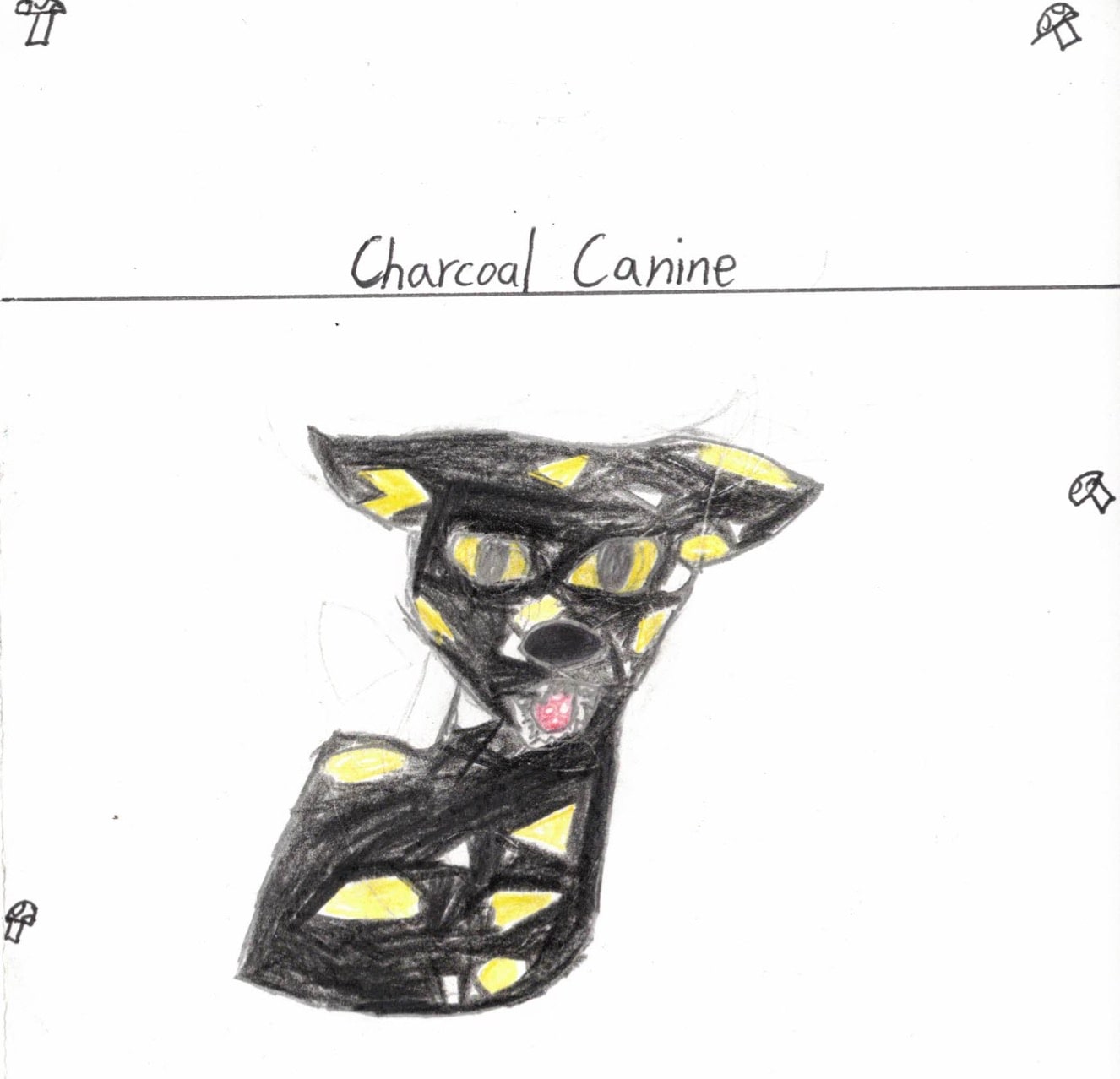
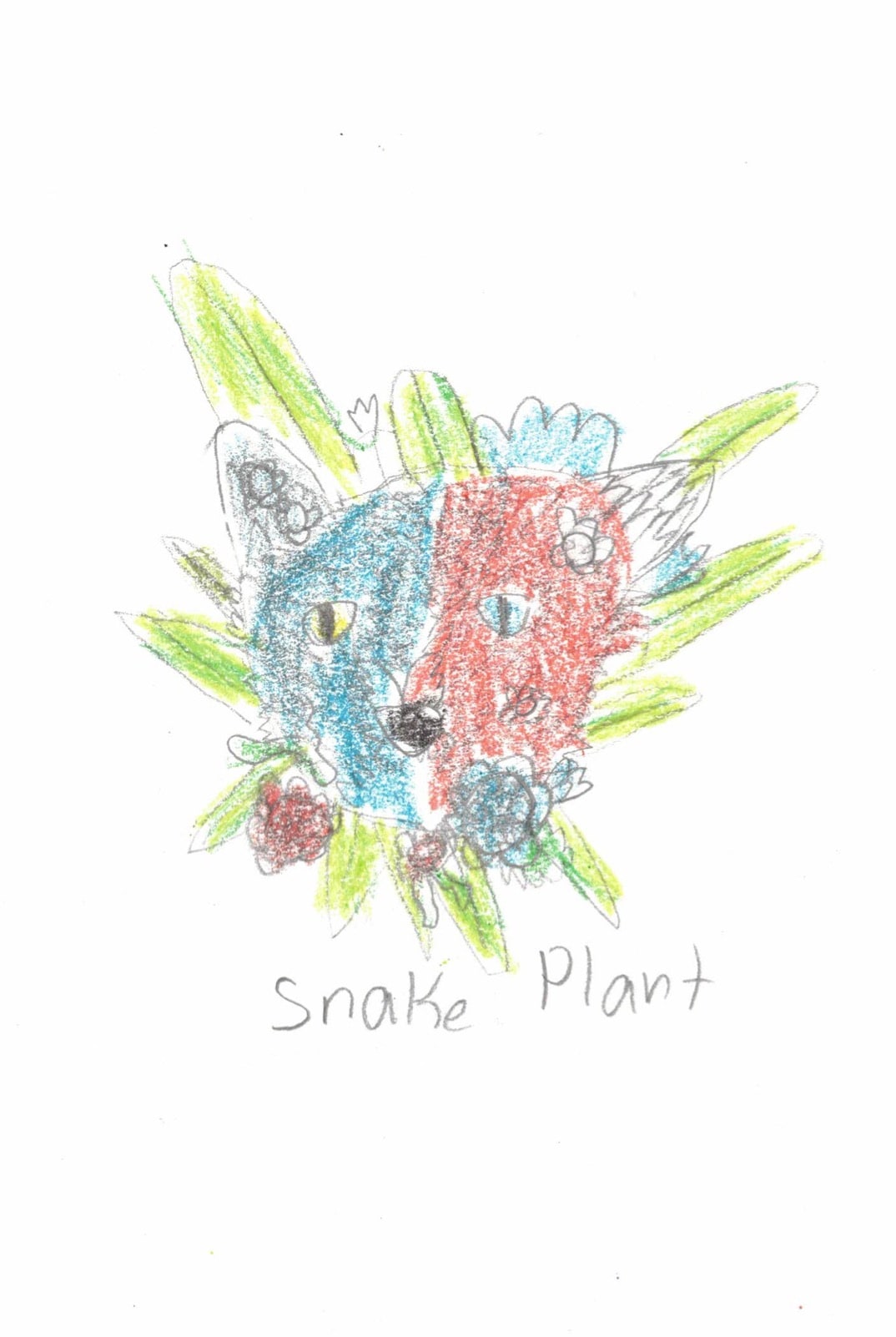
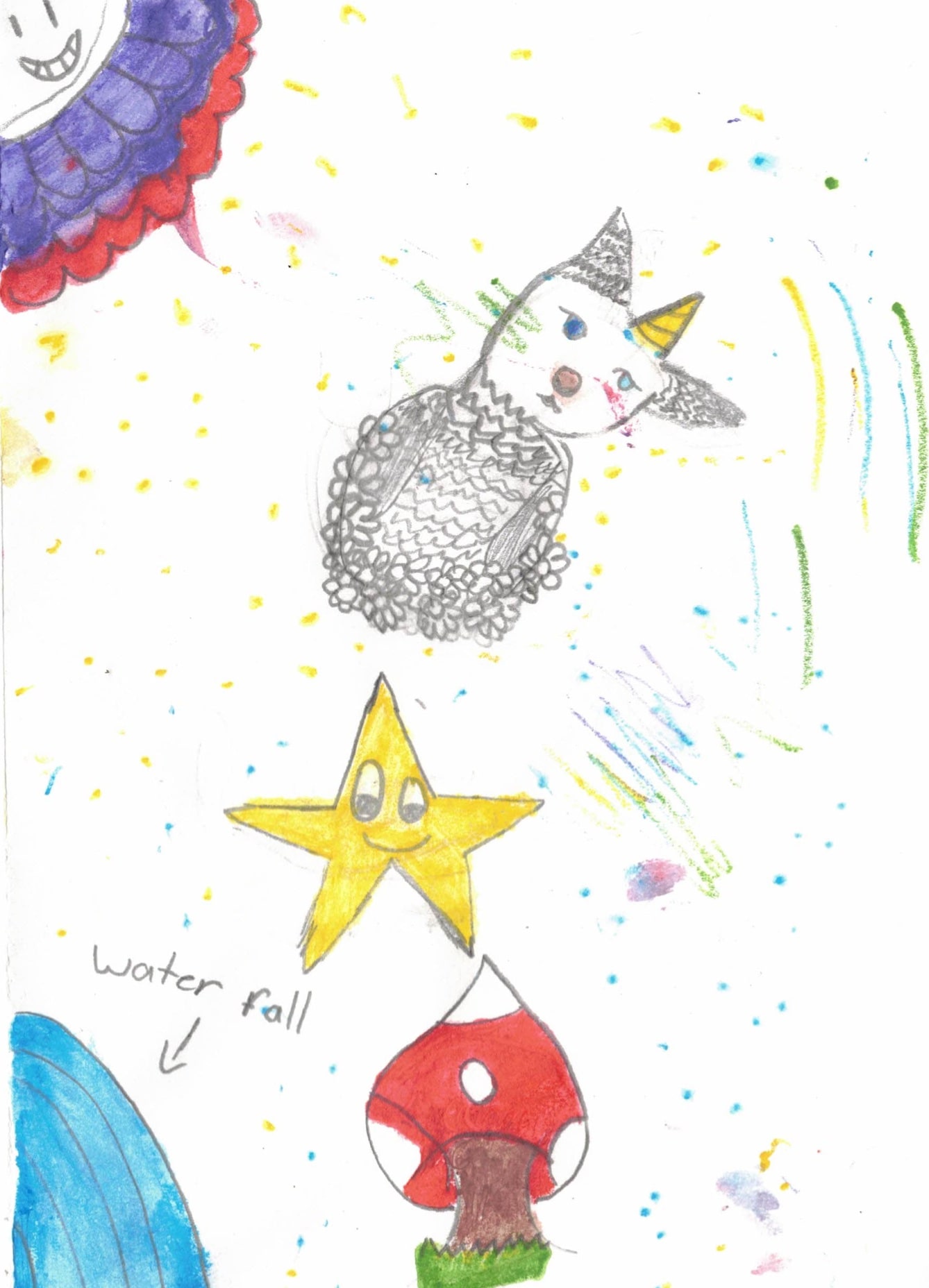
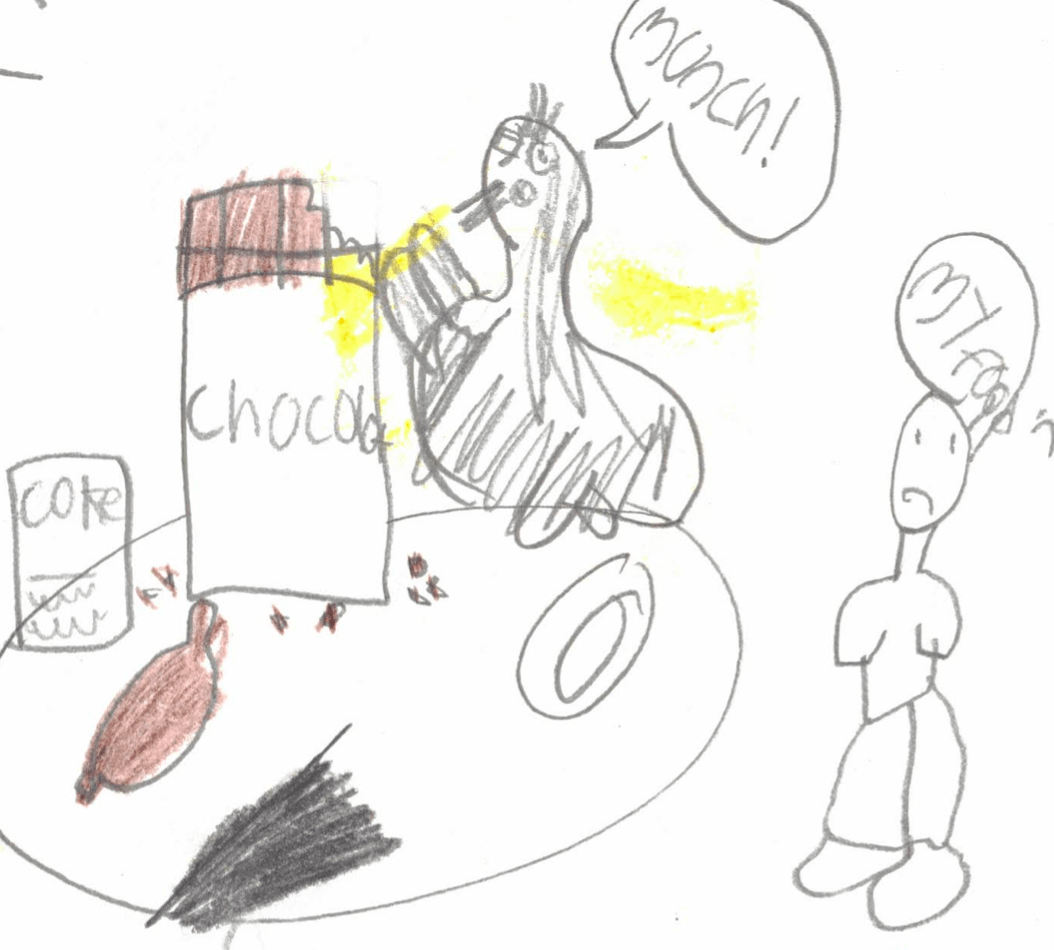
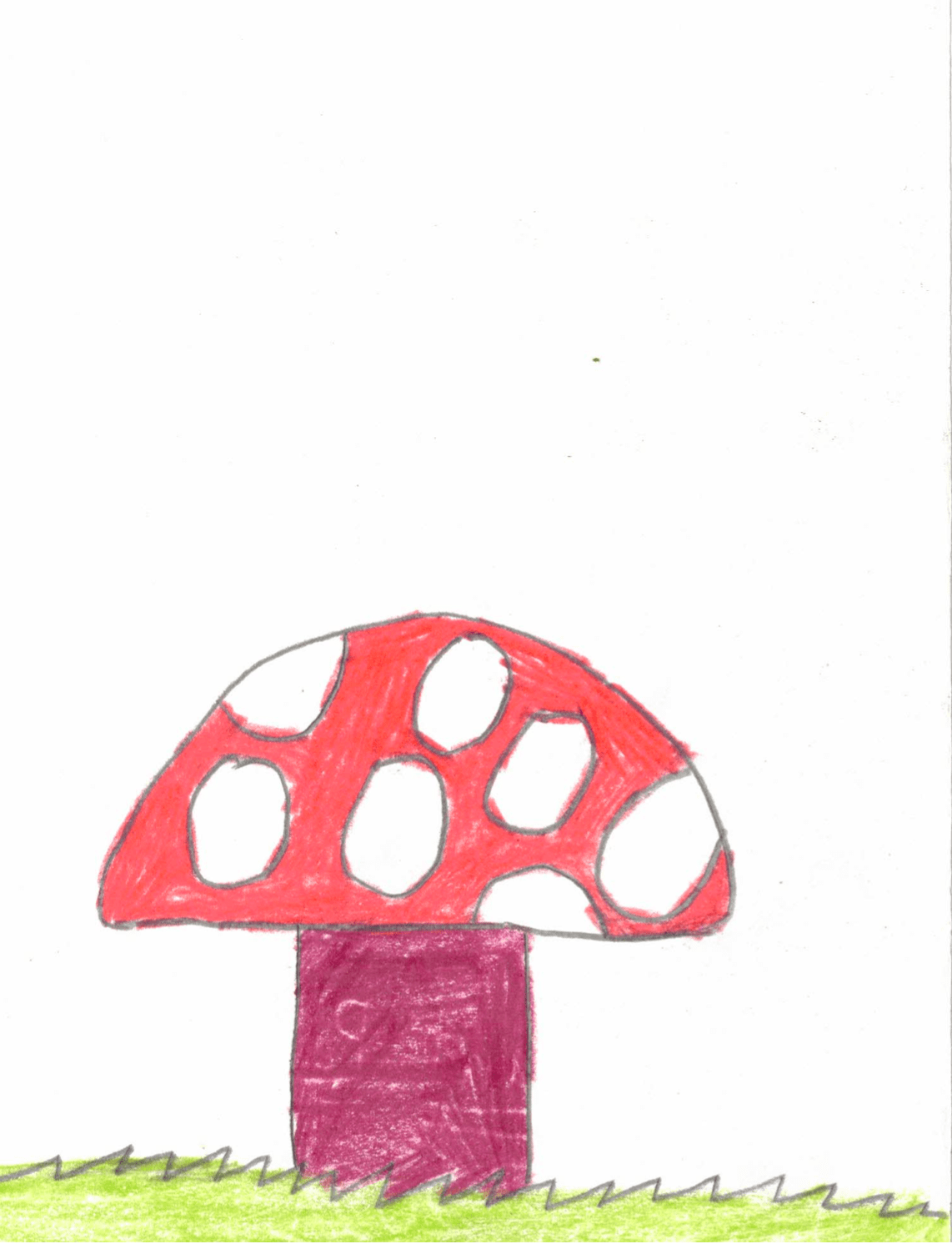
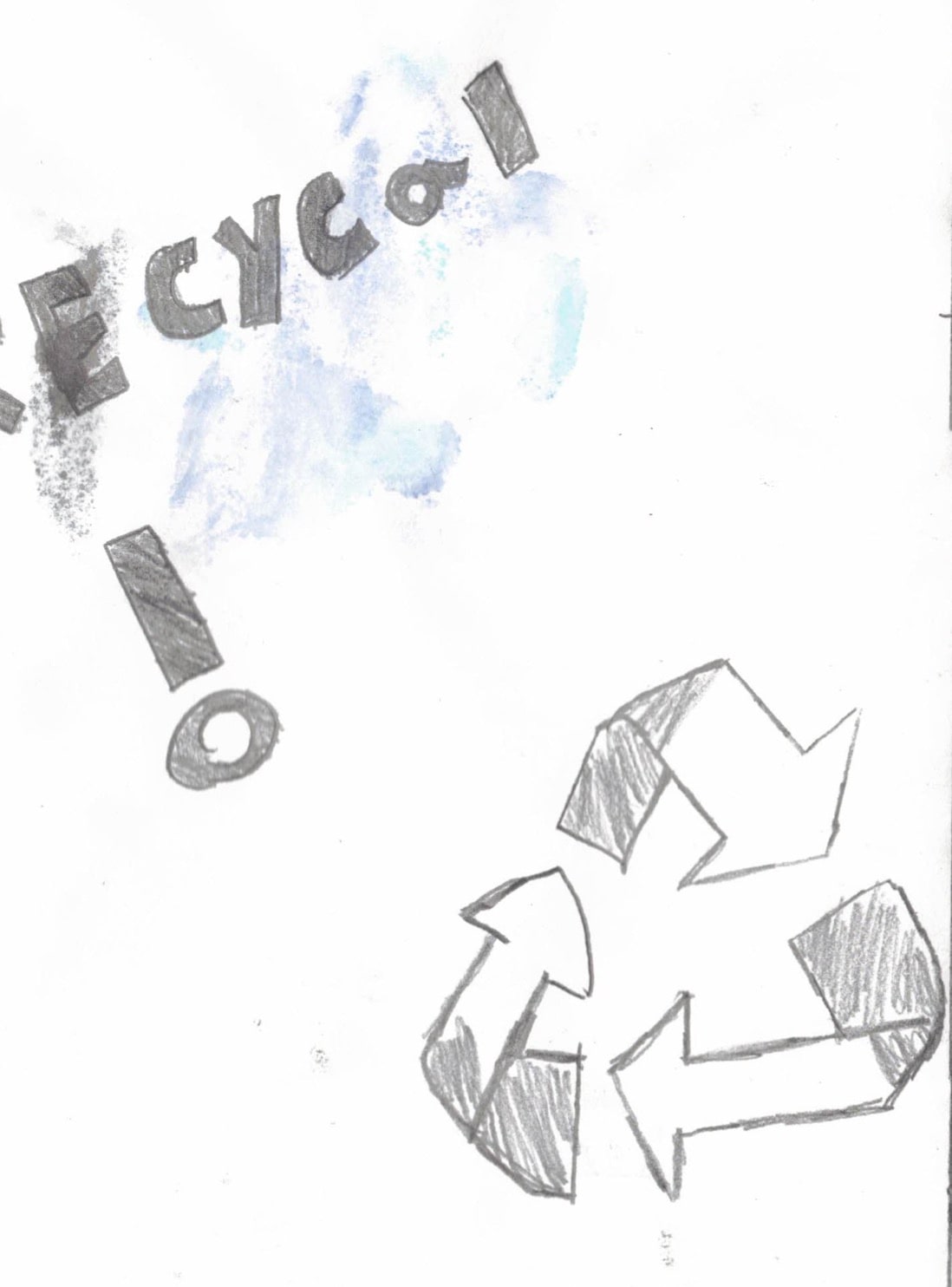
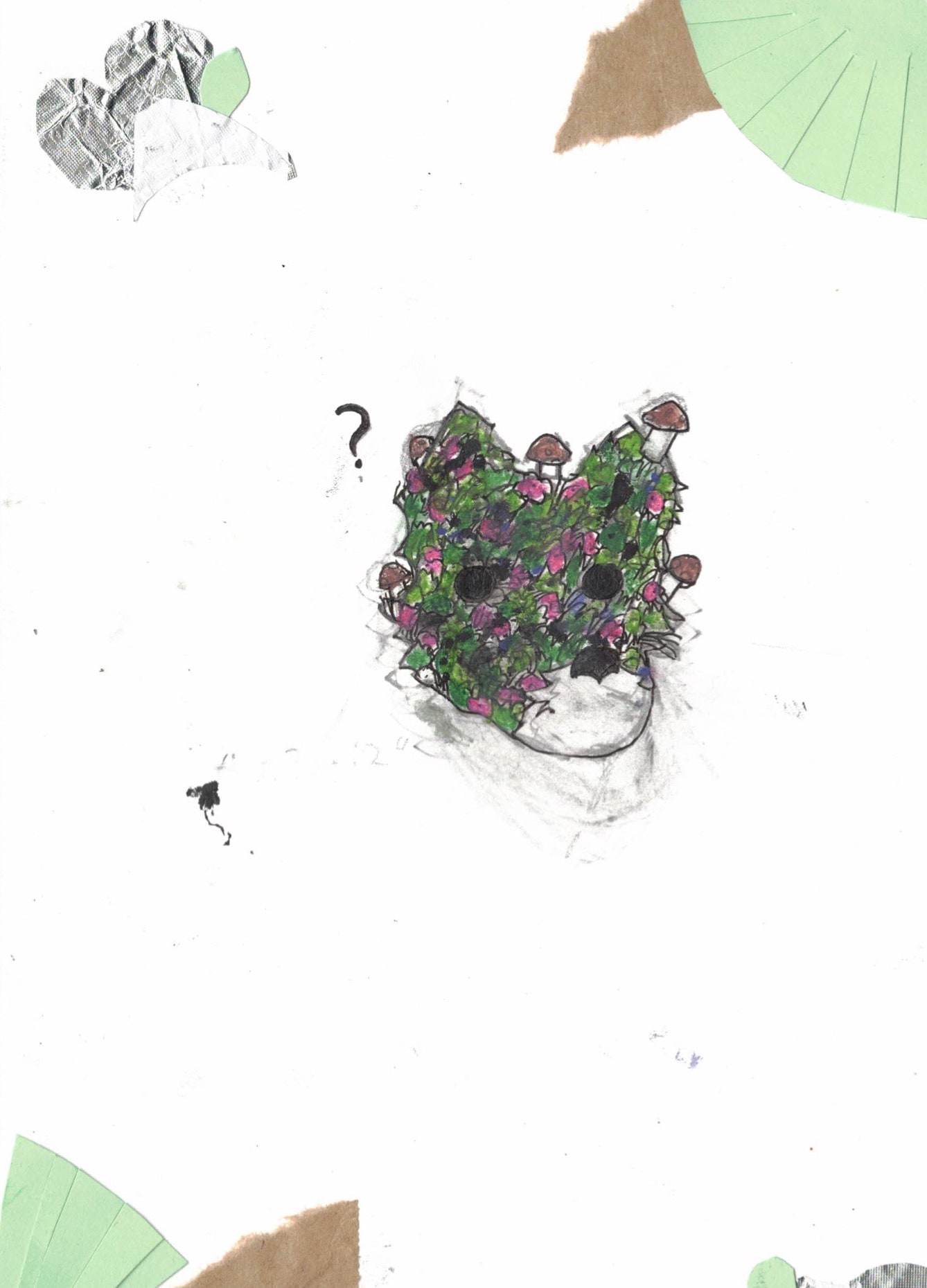
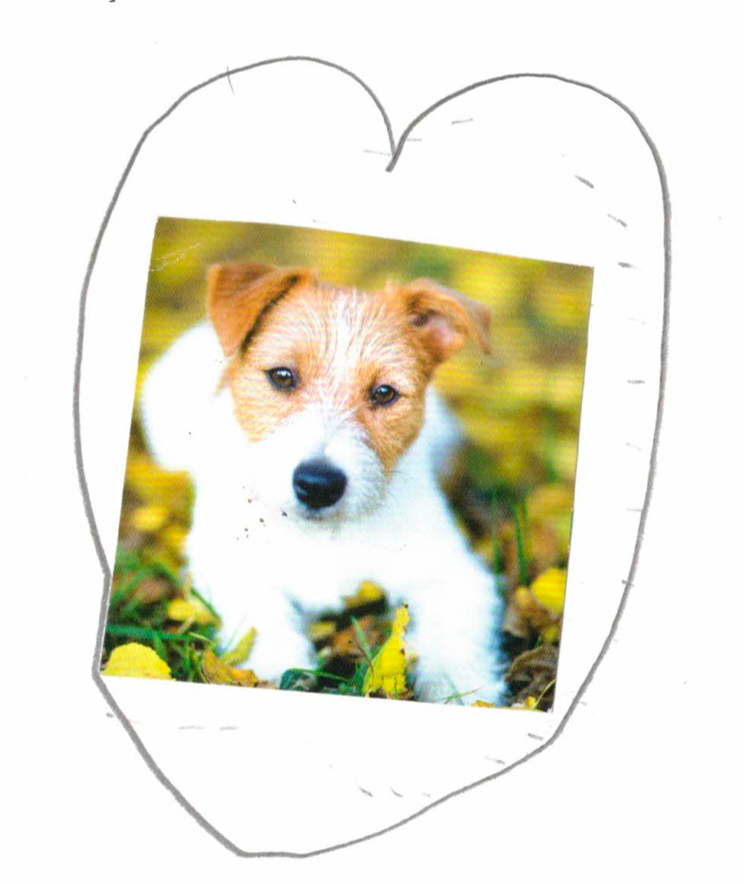
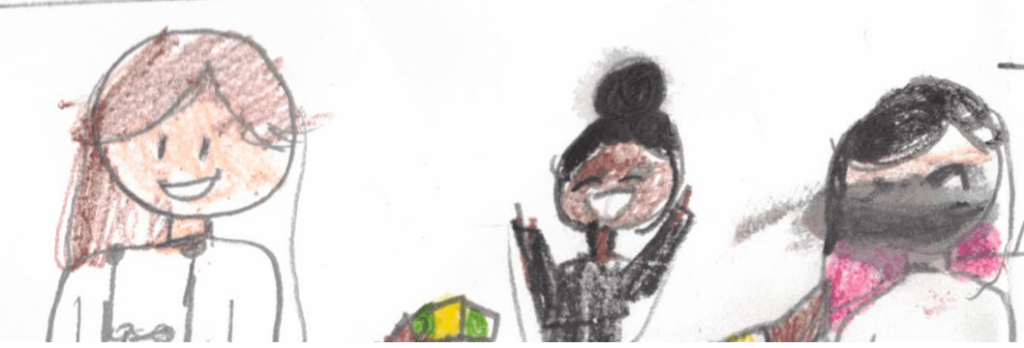
Each student illustrated a creative, heartfelt thank you card to Calder for our Craft in Schools visits– including illustrations which we were green-lighted to web publish. Please enjoy and share this special collection of inspired art! For more of Calder Kamin’s original work, visit her artist website at www.calderkamin.com; or checkout our 3-d virtual tour on Winter 2023-2024’s Spirit of Play Exhibition page.
Student Illustration Gallery
Submissions Now Open for 2024 Minnesota Center for Book Arts Prize
The MCBA Prize, presented by Minnesota Center for Book Arts, honors excellence in new work from across the dynamic spectrum of book art. In 2022, they received 154 submissions from 17 different countries, from Chile to France. This year’s international competition will culminate in an exhibition in MCBA’s Main Gallery and a live virtual event revealing the winner.
Award benefits include:
1 WINNER
$2,000
4 FINALISTS
$500
20–30 SEMI-FINALISTS
Included in an exhibition in MCBA’s main gallery
ALL ENTRIES
Published on mcbaprize.org
Visit the MCBA Prize website to learn more about the submission and selection process. Since the prize’s inaugural year in 2009, hundreds of prize entries, finalists, and winners have been catalogued on their site, capturing the breadth and beauty of book arts at different snapshots in time.
MCBA Prize submissions are open from April 1 to May 31, 2024.
Fiberart International 2025 Open Call
The open call for the 2025 Fiberart International exhibition will be open through June 30, 2024.
The 25th edition of the Fiberart International will be organized and presented by Contemporary Craft in partnership with Brew House Arts and will be on view at Contemporary Craft, May 30 – August 30, 2025, and at Brew House Arts, June 20 – August 30, 2025.
This call is open to exceptionally talented artists at any stage of their career, who are located within the United States or abroad. All work must be either fiber in content or executed in a fiber technique.
The complete prospectus can be found here.
de la Torre Brothers: Upward Mobility Exhibition at the McNay Museum
March 1, 2024 – September 15, 2024
Located in the Tobin Exhibition Galleries
de la Torre Brothers: Upward Mobility presents works that explore culture on both sides of the United States-México border. Brothers Einar and Jamex de la Torre live and work in the Guadalupe Valley in Baja California, México, and San Diego, California. After developing individual artistic practices they began to collaborate in the 1990s after discovering a shared passion for blown glass. de la Torre Brothers: Upward Mobility highlights their distinct maximalist aesthetic through four galleries of glass sculpture, lenticular prints, video, and installations.
The brothers use motifs from Aztec mythology, Catholic iconography, popular culture, and art history to build symbolically loaded imagery. Their mixed media works playfully incorporate humor and satire into critiques of consumption and indulgence. de la Torre Brothers: Upward Mobility embraces contradiction and multiplicity, inviting the viewer to form their own opinions and responses.
de la Torre Brothers: Upward Mobility is organized by the McNay Art Museum and co-curated by René Paul Barilleaux, Head of Curatorial Affairs, and Lauren Thompson, Curator of Exhibitions, with assistance from Mia Lopez, Curator of Latinx Art.
The brothers recently completed a separate site-specific installation at the McNay, de la Torre Brothers: Latin Exoskeleton. On view through Sept. 15, 2024, the work transformed the AT&T Lobby wall through a combination of tromps l’oeil wallpaper and lenticular images. Their presentations at the McNay are their first exhibitions in San Antonio.
The de la Torre brothers were featured in the Pilchuck Glass School segment in the COMMUNITY episode.
More images and information here.
Wayne Art Center’s 2024 CraftForms Call for Entry
Wayne Art Center is seeking submissions for the 29th International Juried Exhibition of Contemporary Fine Craft, in the following mediums: basketry, ceramics, decorative fiber, furniture, glass, jewelry, metal, mixed media, paper, wearable art, and wood. Work created utilizing CAD/CAM technologies and 3D printing tools also is eligible.
Selected works will be on display in the Davenport Gallery of Wayne Art Center in Wayne, Pennsylvania from December 7, 2024 through January 25, 2025. This year’s juror Jo Lauria will present $10,000 in prize awards. For more information and to see last year’s artists, visit www.craftforms.org.
Here is the direct link for CaFe.
‘Between the Lines’ opening reception opens today at Craft in America Center
LOS ANGELES, CA.- The Craft in America Center is opening Between the Lines, a two-person exhibition featuring master glass sculptors John Luebtow and Stephen Edwards. These two maverick sculptors have shaped the field of glass through potent artwork and technical prowess. Constantly innovating, they use glass in ways that defy expectations— bending, casting and cutting it into astounding forms that push the material to its limits. Over the decades, both their intimate and monumental works address relationships with nature, spirituality, and family.
Line is the guiding force shaping the form of each work. Line and form relay philosophical signifiers stemming from the artists’ personal experiences and outlooks. Responding to concepts through abstraction, glass becomes a material for echoing dynamics of the natural world.
This exhibition pairs these two luminaries who are also tied by a teacher/student relationship: Edwards was once a student in Luebtow’s high school art classes. Insatiably curious about process, both artists consistently push the boundaries of technical development and have created significant facilities, both of their own and at institutions. In addition to illustrious art careers, the two masters have been instrumental in creating education programs and facilities in glass, and have taught scores of art students; Luebtow at Harvard-Westlake School in Los Angeles, and Edwards at Alfred University in New York.
With more than a century of knowledge between them, these objects are a glimpse at how these artists create abstract forms with powerful, transcendent ideas about beauty, conflict, tension, nature and existence.
John Luebtow has become one of the most respected names in contemporary glass sculpture over the past forty years. He developed innovative techniques in glass-making, introducing and incorporating gestural and expressive qualities into impeccably finished sculptural components. He holds a BA from California Lutheran College, and two MFAs from UCLA (one in ceramics and one in glass).
Stephen Edwards built one of the largest hot glass programs in the nation at Alfred University, where he taught for 22 years. Prior to that, an early stepping stone was working as an artist-in-residence at the Penland School of Crafts. Near Penland, he established his first private glass studio in Micaville, North Carolina in 1982. Edwards graduated from Illinois State University with a Master of Fine Arts Degree in 1980.
Opening Reception: Saturday, March 9, 3:00–5:00pm PST Artist talk: Saturday, April 27, 3:00pm PST
Original article here.
2024 Winter Highlights: Craft in Schools Field Trips & Partners
As we round the corner from winter into spring, our Craft in Schools program would like to reflect on our most recent and multimedia season of teaching artist & student programs. Throughout February, over 200 students across five schools learned about and explored the creative potential of puppetry, piñatas, reclaimed, and assemblage art from our Spirit of Play: Craft and Imagination exhibition.
Inspired by our most recent PBS Craft in America featured Play & Miniatures episodes, we connected and engaged these students ages 9-18 with featured teaching artists Lorena Robletto, Calder Kamin, and local artist Eleanor Tullock from the Bob Baker Marionette Theatre.
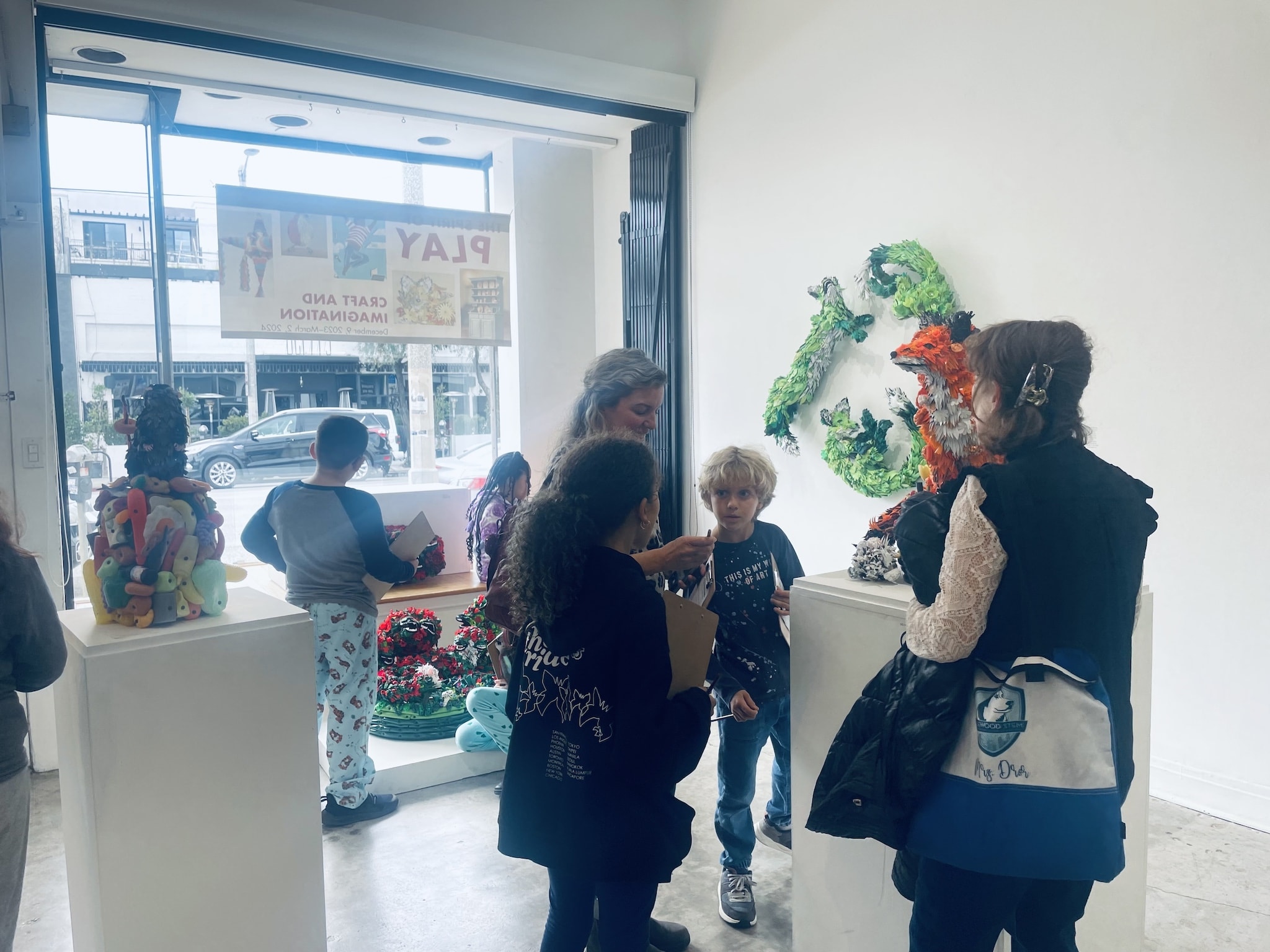
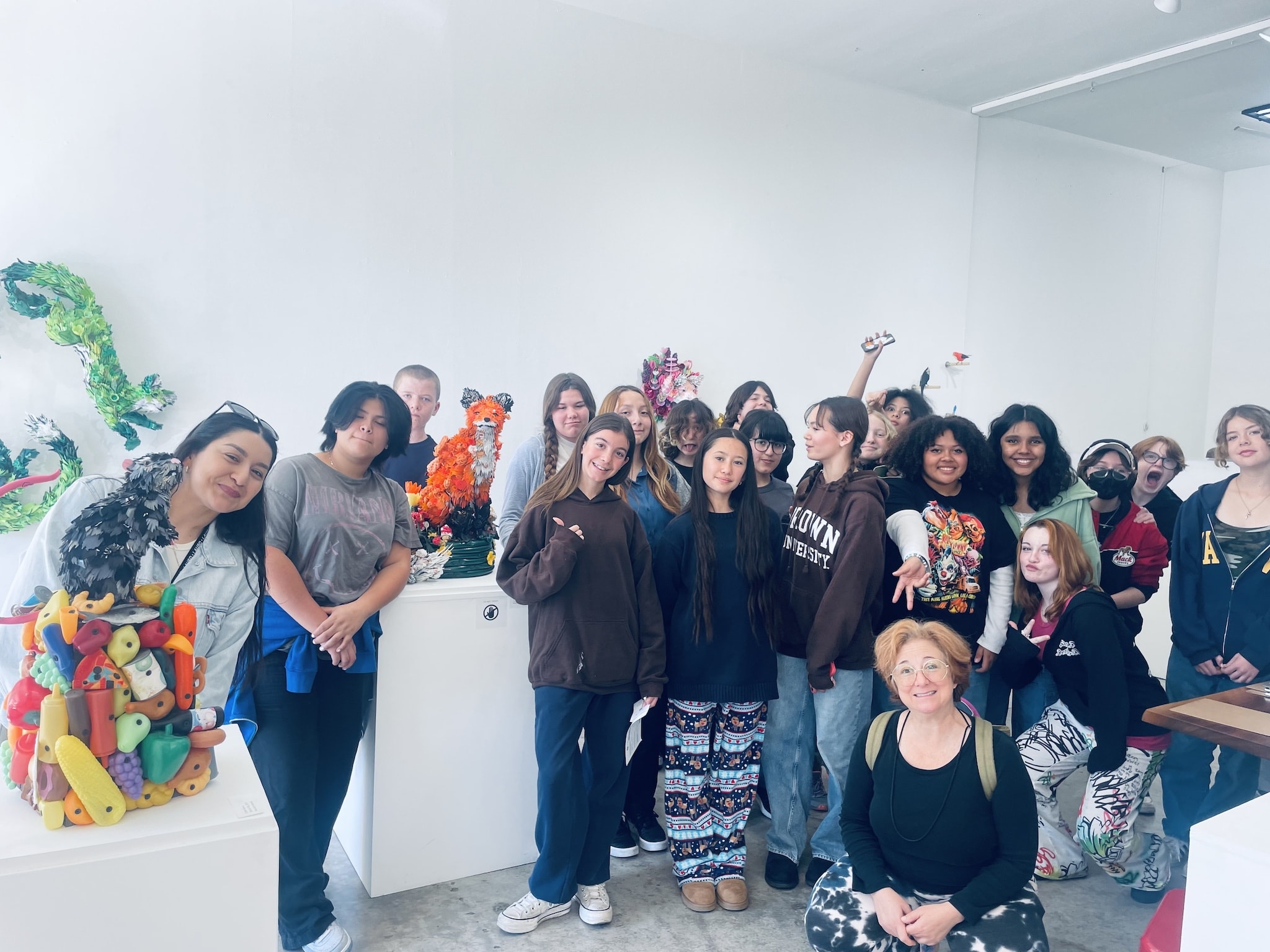
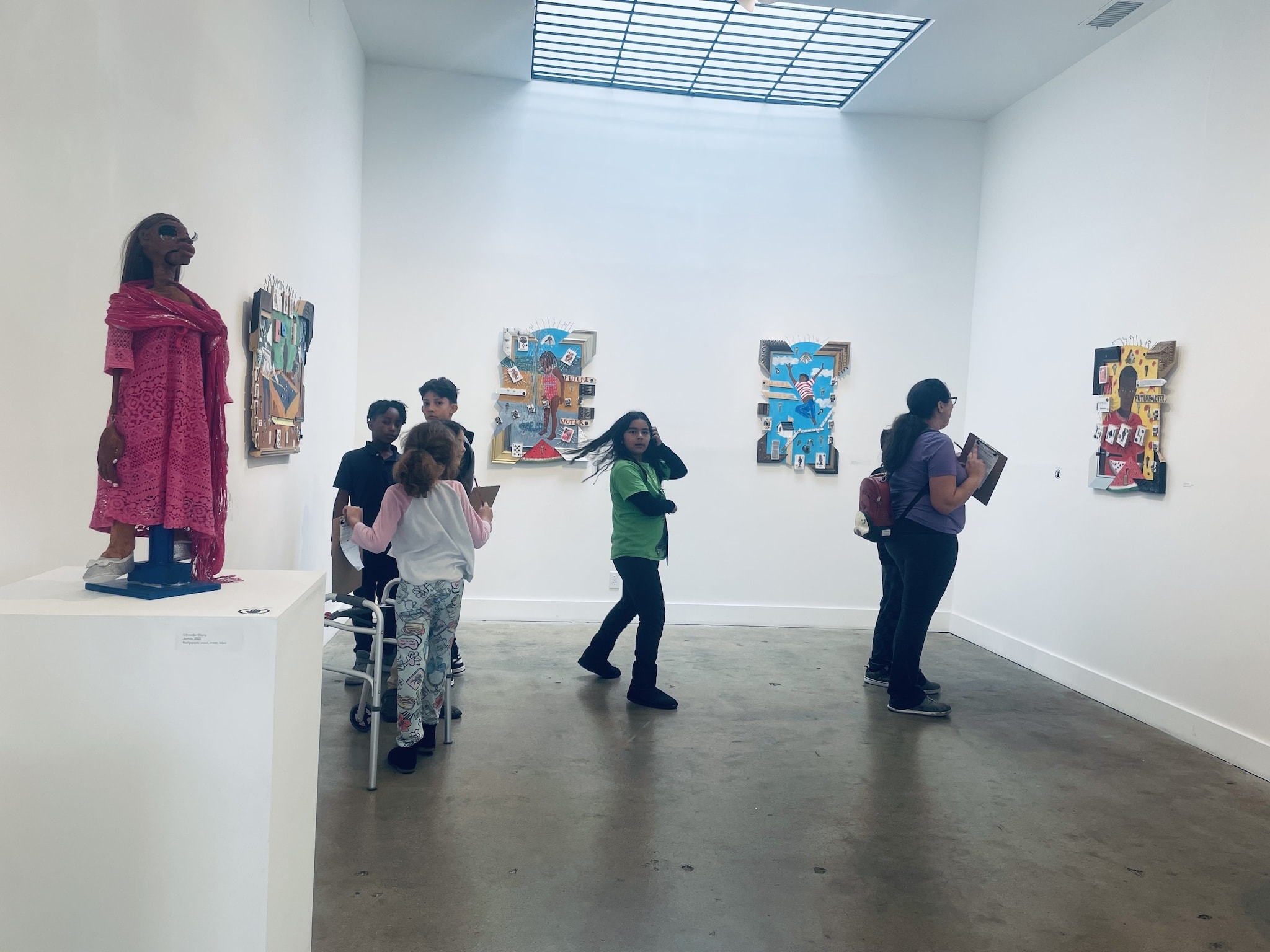
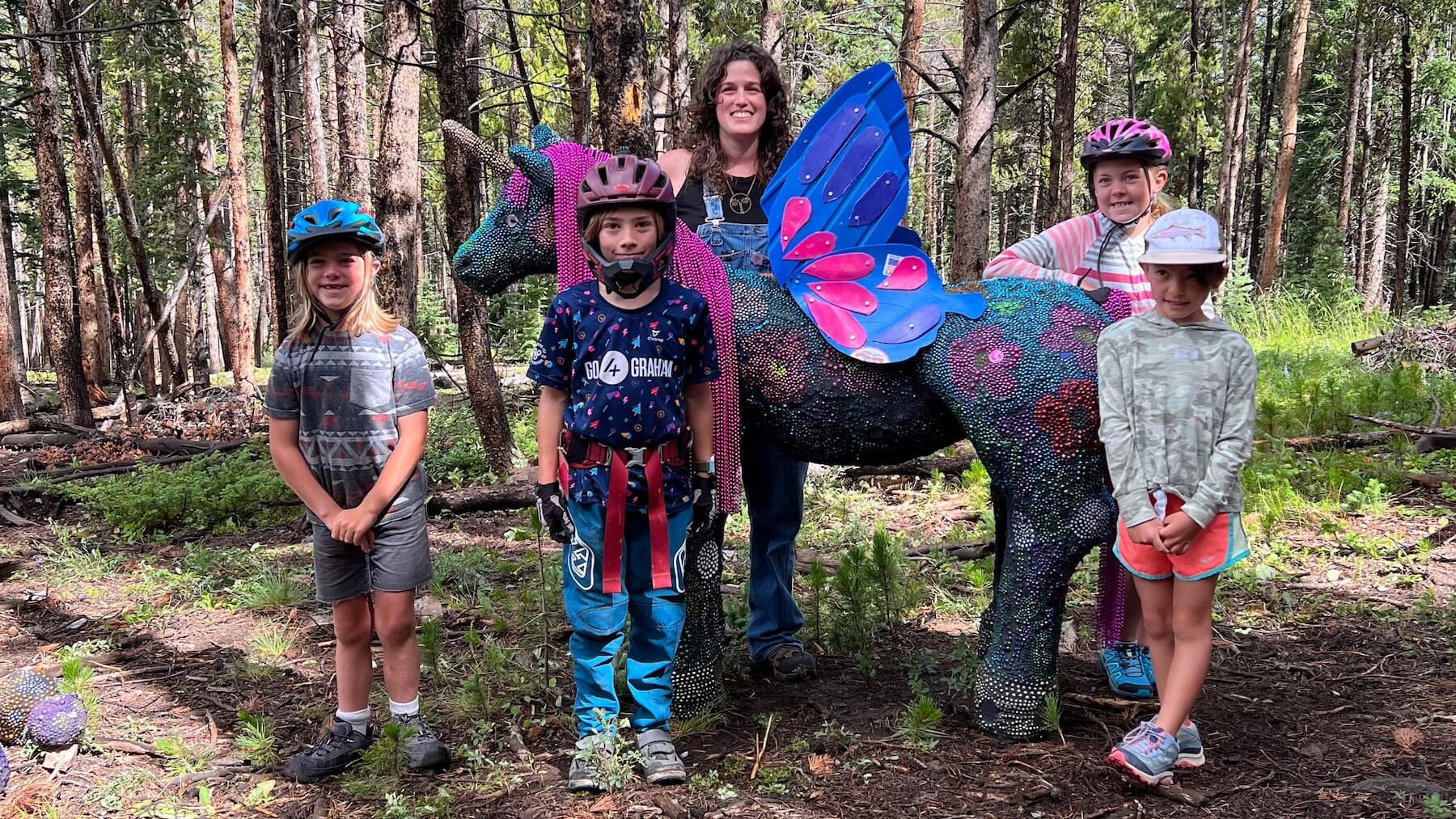
Our gallery visits investigated the environmental impact and hope within reclaimed/reuse art practices, guided by visiting artist Calder Kamin; we had a blast discussing school recycle programs, building out marker-cap jump ropes (pictured below) and exploring how we envision the future based on collective ecological responsibilities. Our curriculum explored poignant historical art related to Black History Month as seen in Schroeder Cherry’s historical puppetry and hopeful Future Voter Series assemblage art. Working with each of these artists was such a treat– full of personal artist-journey insights and messages of creative empowerment.
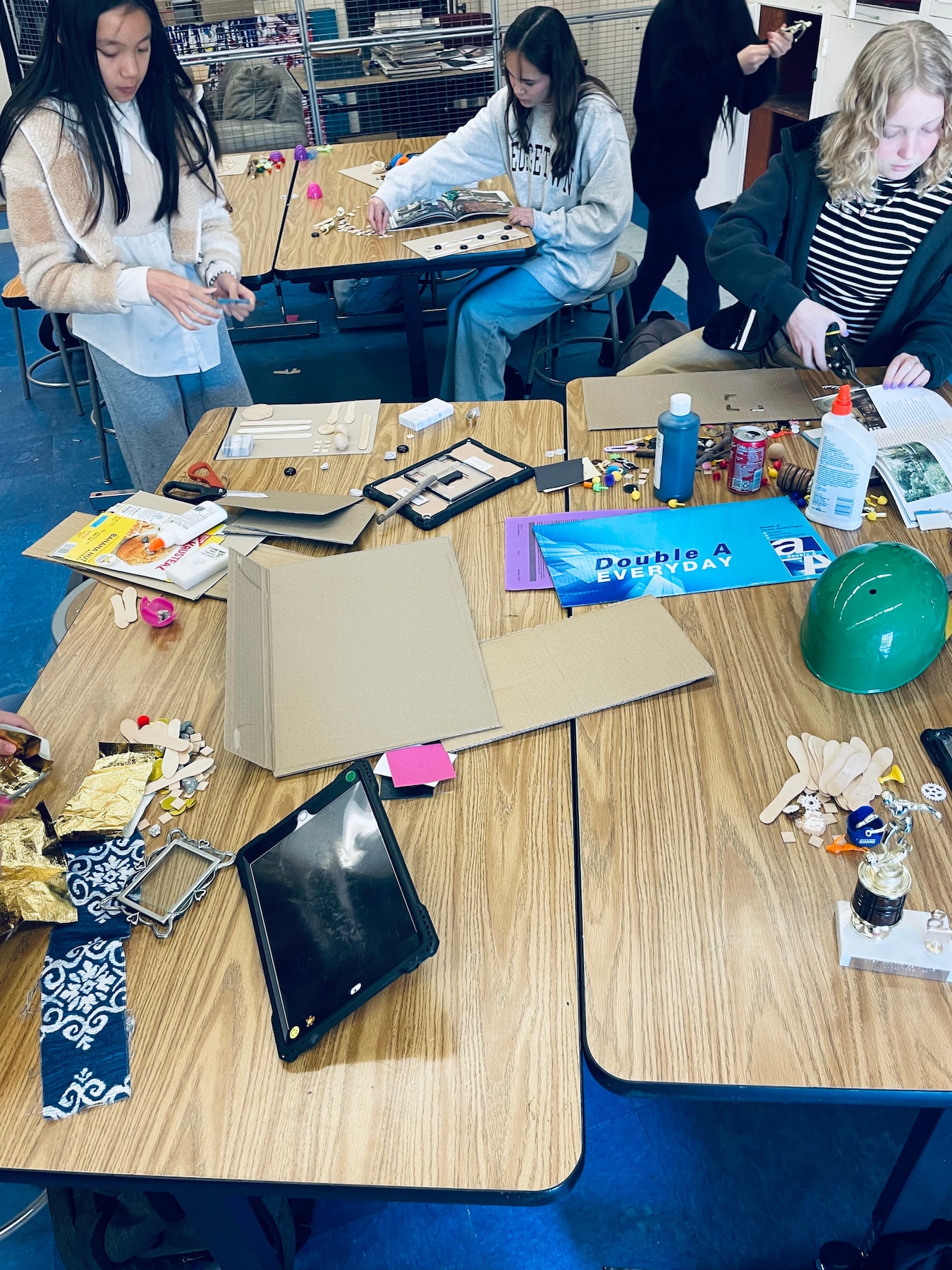
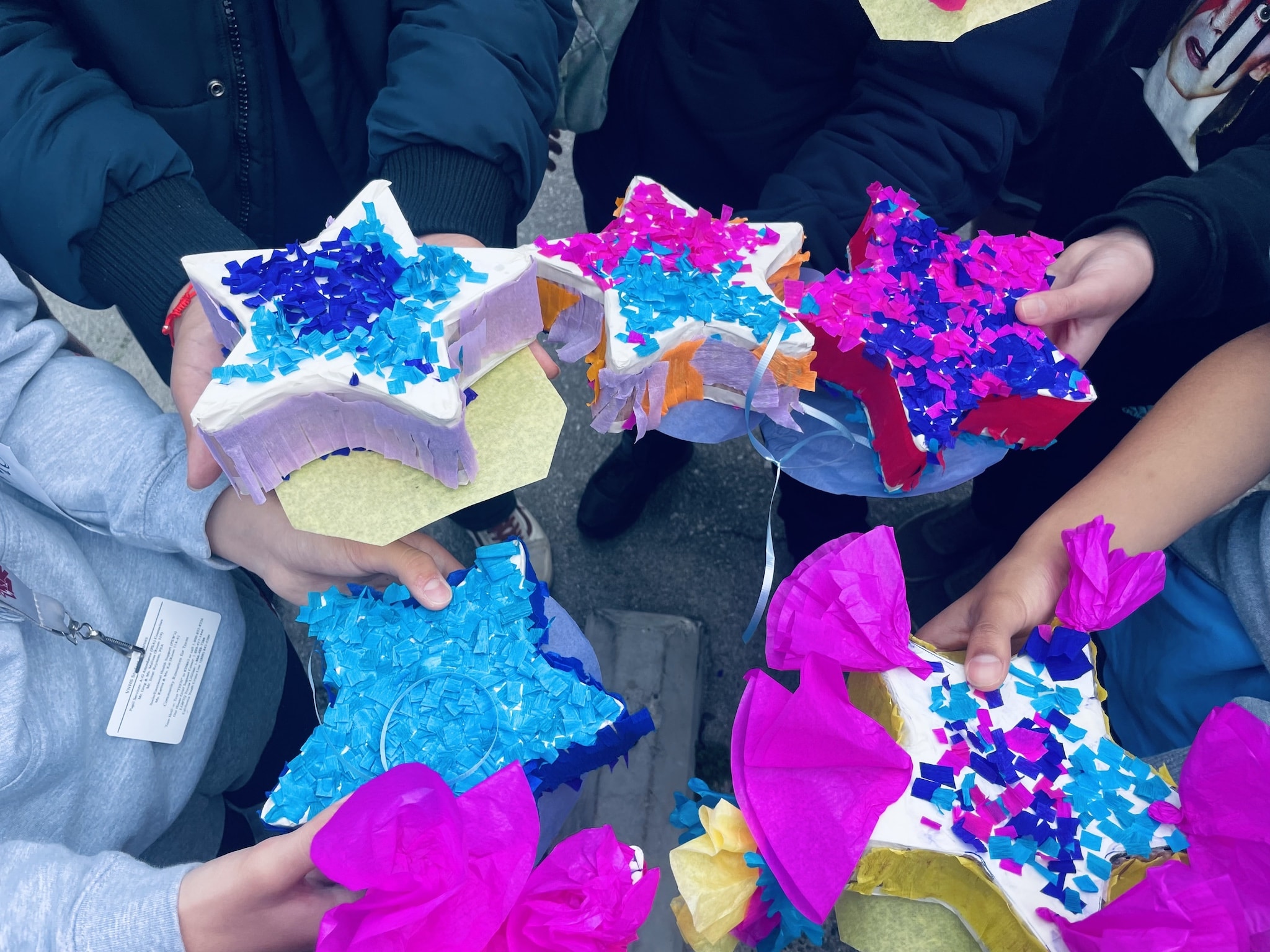
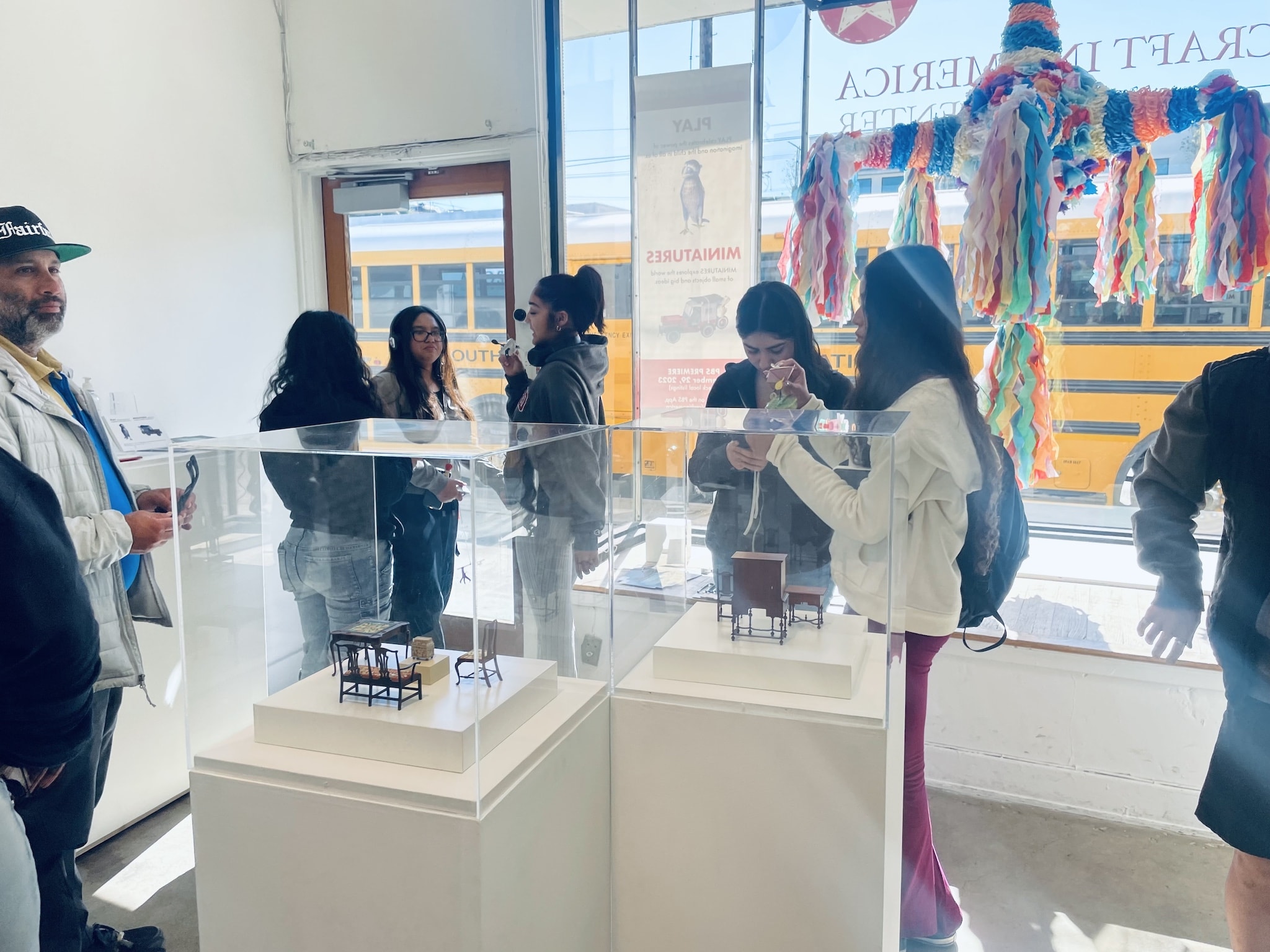
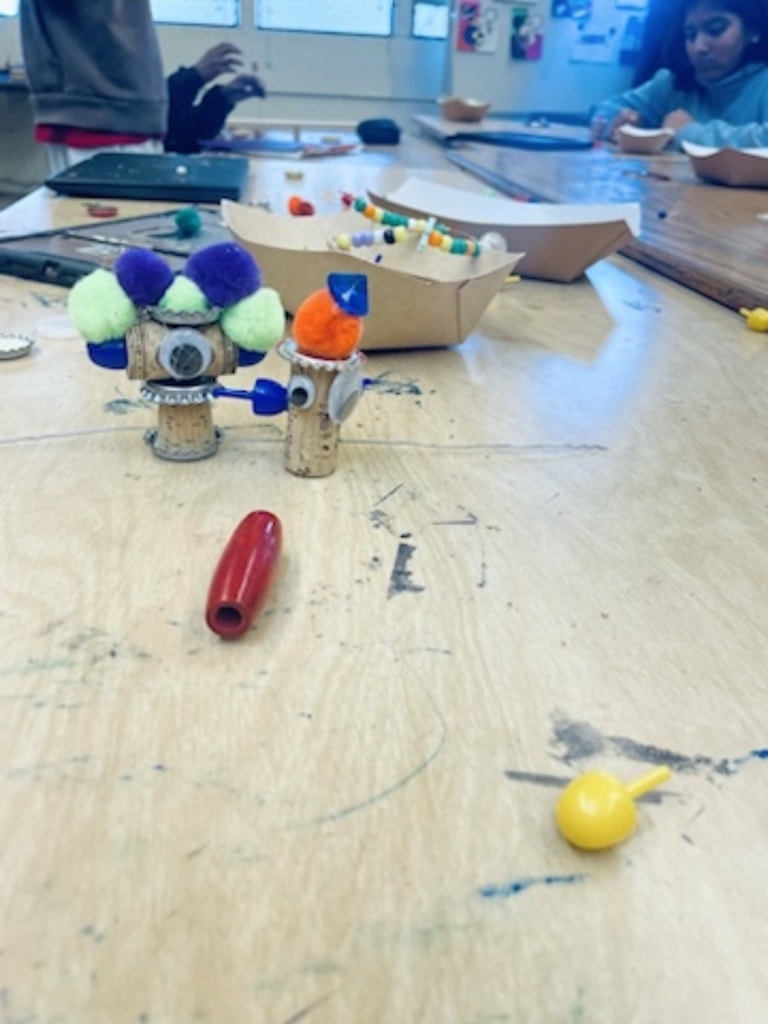
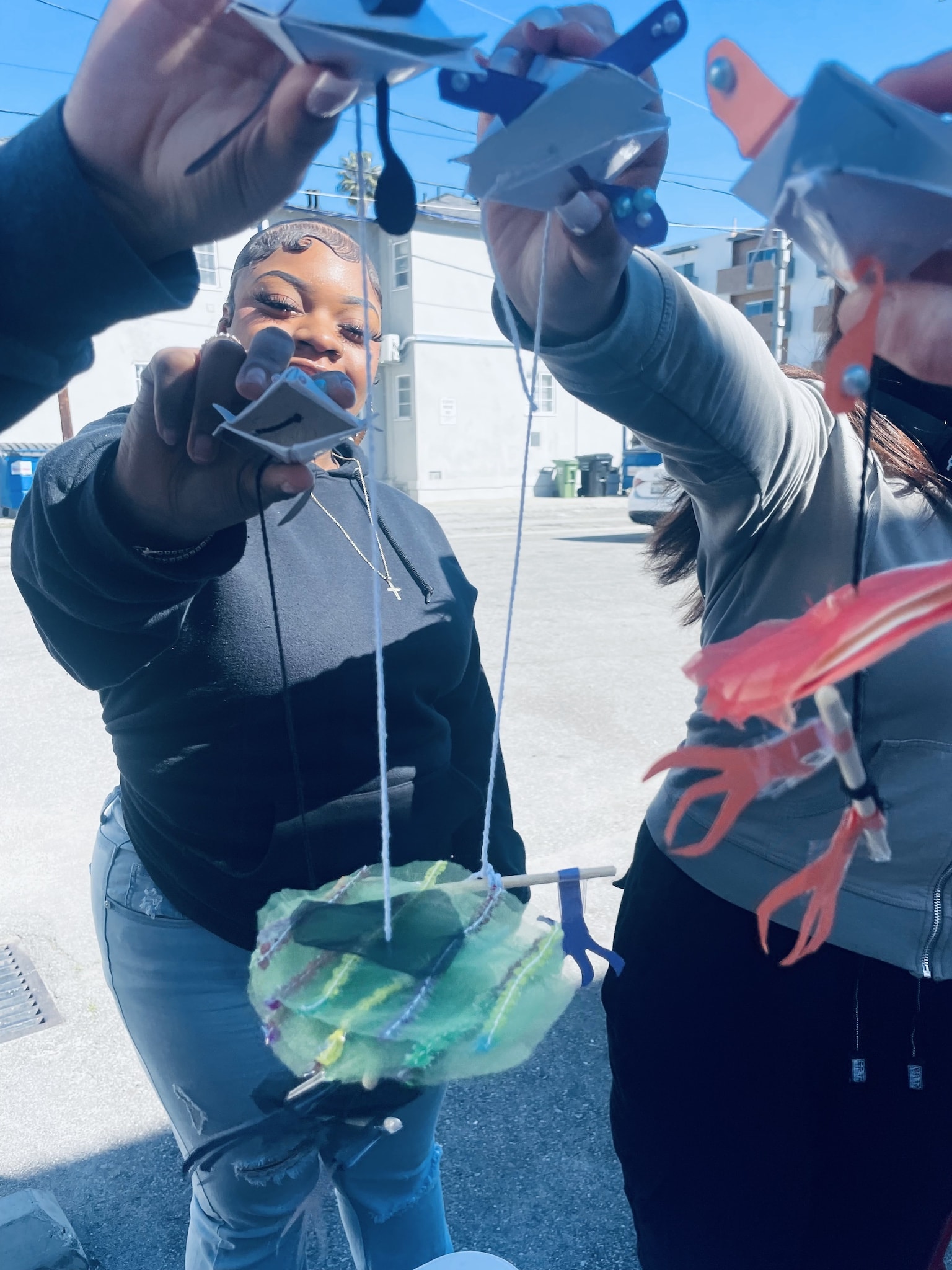
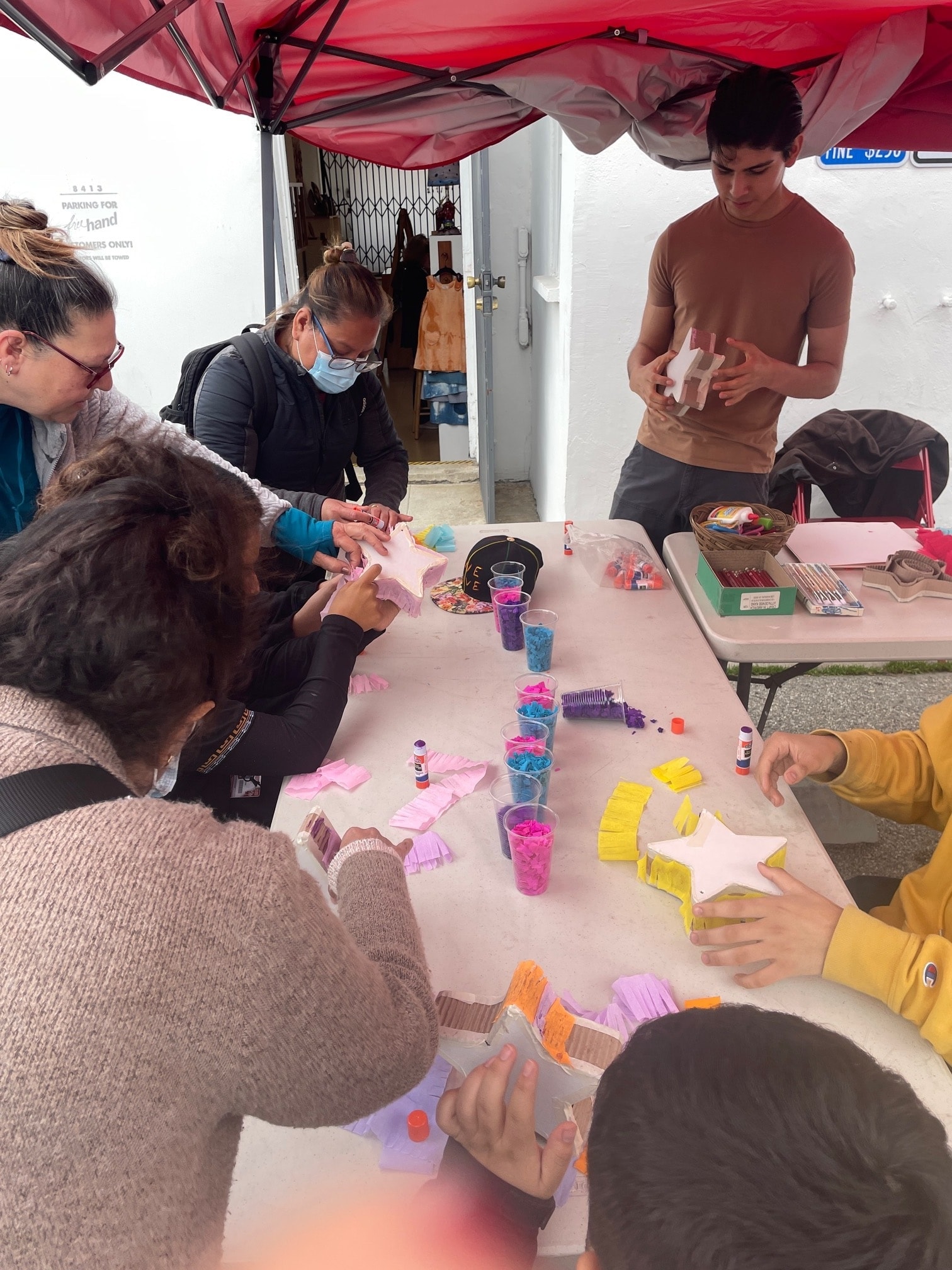
All of us collaborating educators were impressed and delighted in our students’ depth of inquiry, creative innovation, and visual thinking. Special thanks to the following schools teacher and chaperone collaborators at: Rosewood Elementary, Paul Revere Middle School, Palms Middle School, Fairfax High School, and Van Nuys High School.
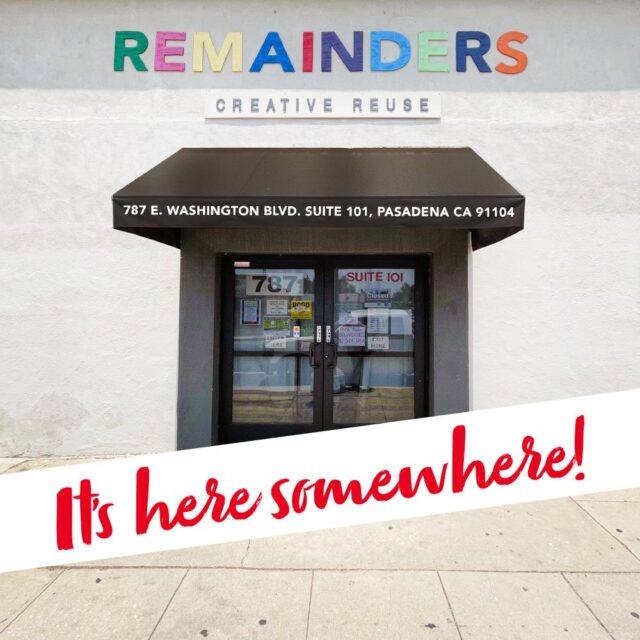
Community Partnerships: Reaching this many students in a whirlwind few weeks wouldn’t have been possible without key community partnerships. Our Craft Center would like to show our biggest thanks to all of our teaching artists and shoutout our wonderful LA-community partnerships with Remainders: Creative Reuse Space & Thriftstore in Pasadena; and Señora Robletto’s Mid-City Amazing Piñatas Creative Studio for donating our assemblage/reclaimed, piñata teaching artists, and piñata workshop materials. Do yourself a favor, explore and connect with these wonderful community shops and studios!
For more information about our Craft in Schools program or teaching artist opportunities, please contact (me) Sam@craftinamerica.org or center@craftinamerica.org
Craft in America Hosts Two Innovative Glass Artists
The Craft in America Center will host “Between the Lines,” a two-person exhibition featuring master glass sculptors John Luebtow and Stephen Edwards from March 9 through May 25.
The two sculptors have shaped the field of glass through their own work and their technological prowess. With a constant desire to create and innovate, they both use glass in ways that defy expectations – bending and cutting to give it shape. They walk the fine line of pushing the material to its limits. Over the decades, they have created work that pertains to their relationships with nature, spirituality and family.
Art begins with the line for both artists. It is the guiding force for shaping the form of each work. Responding to ideas through abstraction, glass is a material for echoing the natural world.
The exhibition pairs the two luminaries, who are also tied by a teacher-student relationship. Edwards was once a student in Luebtow’s high school art classes. Insatiably curious about processes, the artists consistently push the boundaries of technical development and have created significant facilities, both of their own and at institutions. In addition to illustrious art careers, the artists have been instrumental in creating education programs and have taught numerous art students – Luebtow at Harvard-Westlake School in Los Angeles and Edwards at Alfred University in New York.
Original post in the Beverly Press here.
See portraits of Black life, as told by puppets, at new LA exhibit
The new “Spirit of Play: Craft and Imagination” exhibit at Craft in America is running through Saturday, March 2.
When puppets speak, people listen, says artist, educator and puppeteer Schroeder Cherry.
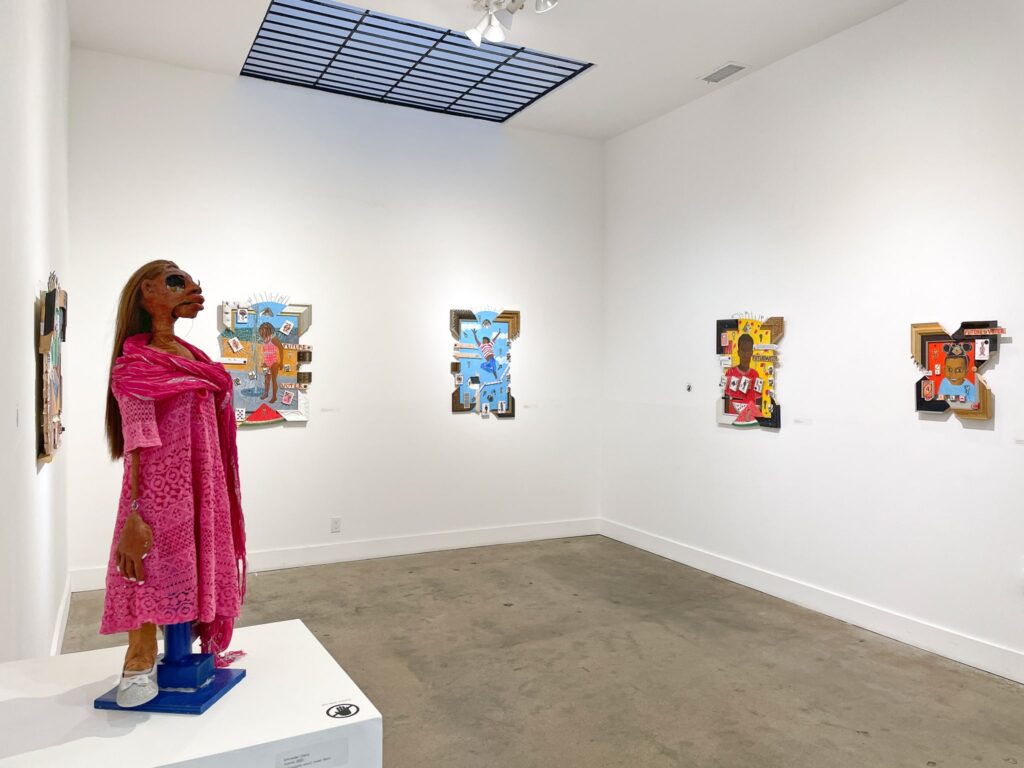
Cherry uses puppet play to teach people about the U.S. African diaspora. Organizers of his new “Spirit of Play: Craft and Imagination” exhibit, featured at the Craft in America nonprofit center in Beverly Grove, say that Cherry uses the “disarming quality” of play to both educate and engage viewers. His “family of idiosyncratic characters” tackles topics like the history of slavery, and contemporary life in America as a Black person.
The new Los Angeles exhibit — now running through Saturday, March 2 — showcases realistic-looking puppets and assemblage to educate both children and adults about Black culture and history in the U.S.
Read the full article in the Los Angeles Daily news here.
2024 NEA National Heritage Fellows
Congratulations to the 2024 NEA National Heritage Fellows, especially Navajo/Dine quilter Susan Hudson, featured in the QUILTS episode.