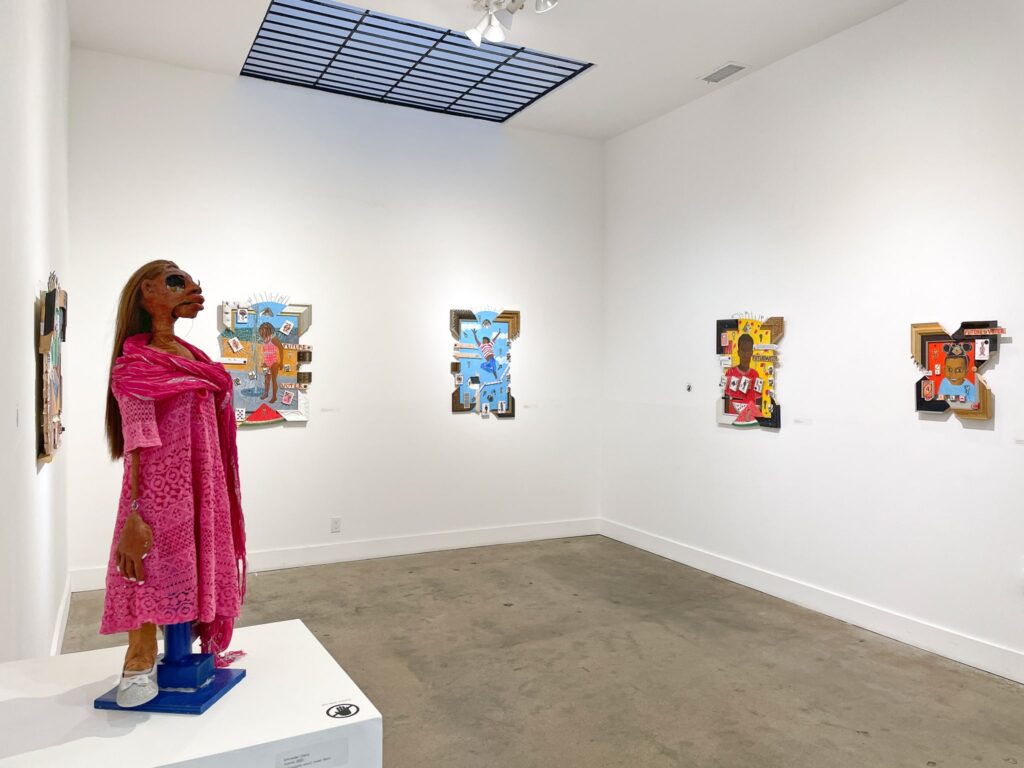
Summer 2024: Building Blocks, Woodworking, and Family Fun!
Summer’s here and school’s out! Even while our Craft in Schools program takes a short summer break, our Craft in America Center team is hosting all kinds of eclectic crafting workshops, artist-musician events, and talks – not to be missed!
Drop-In Fun: Summer ‘24 Family Activity Sheets
We welcome young creatives, their friends and families to come enjoy our AC alongside this summer’s Building Blocks: Process & Wood exhibition (all free of charge). We’re excited to host some creative and fun activities, suitable for youth ages preK-8th grade; with past times that will entertain young visitors with (pictured below):
- a drawing/coloring station
- a playful scavenger-hunt through our exhibition
- an intro to woodworking ideas
- short technique-video clips on how craft artists make their art in studios
- & small surprise prizes!
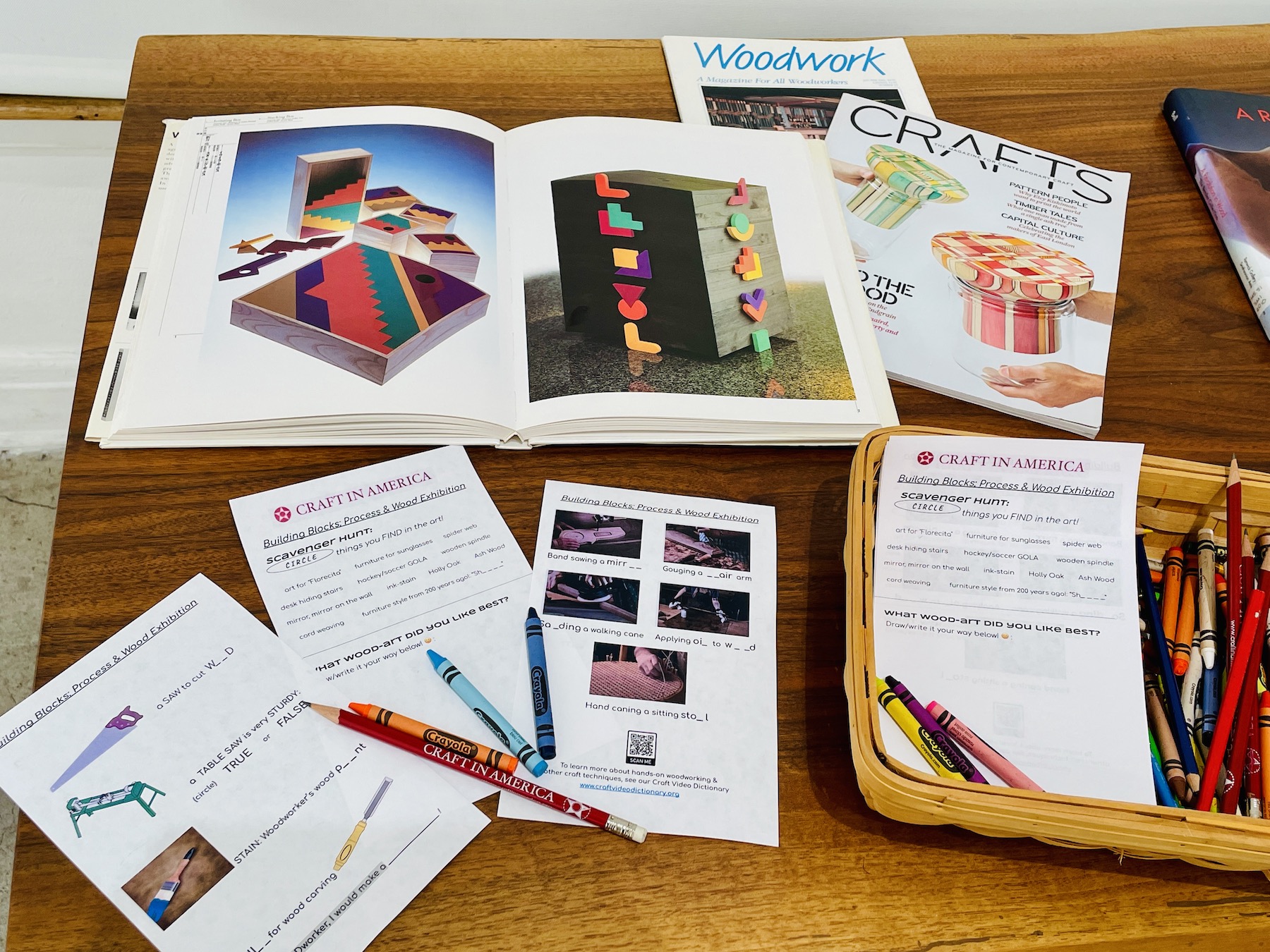
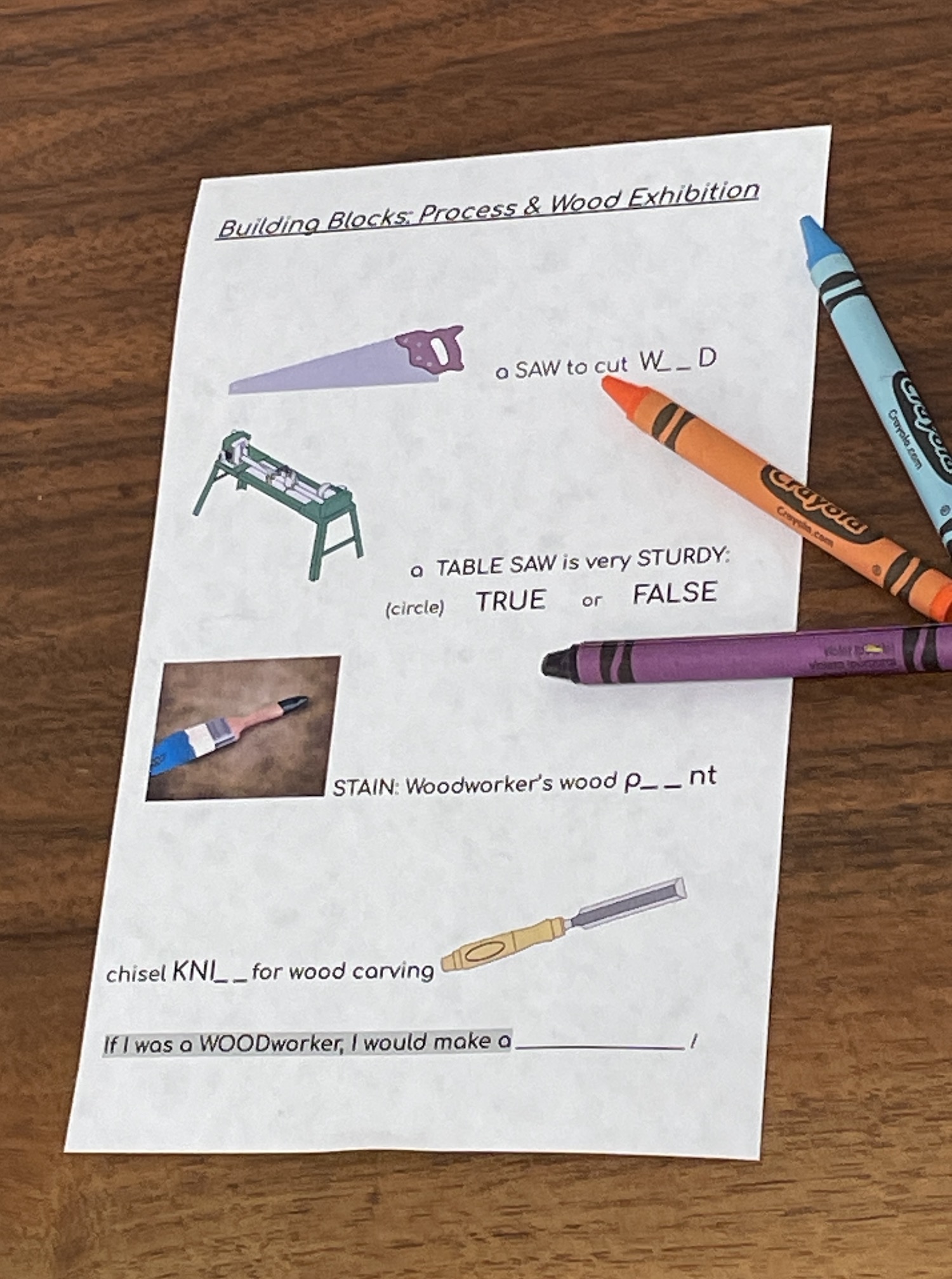
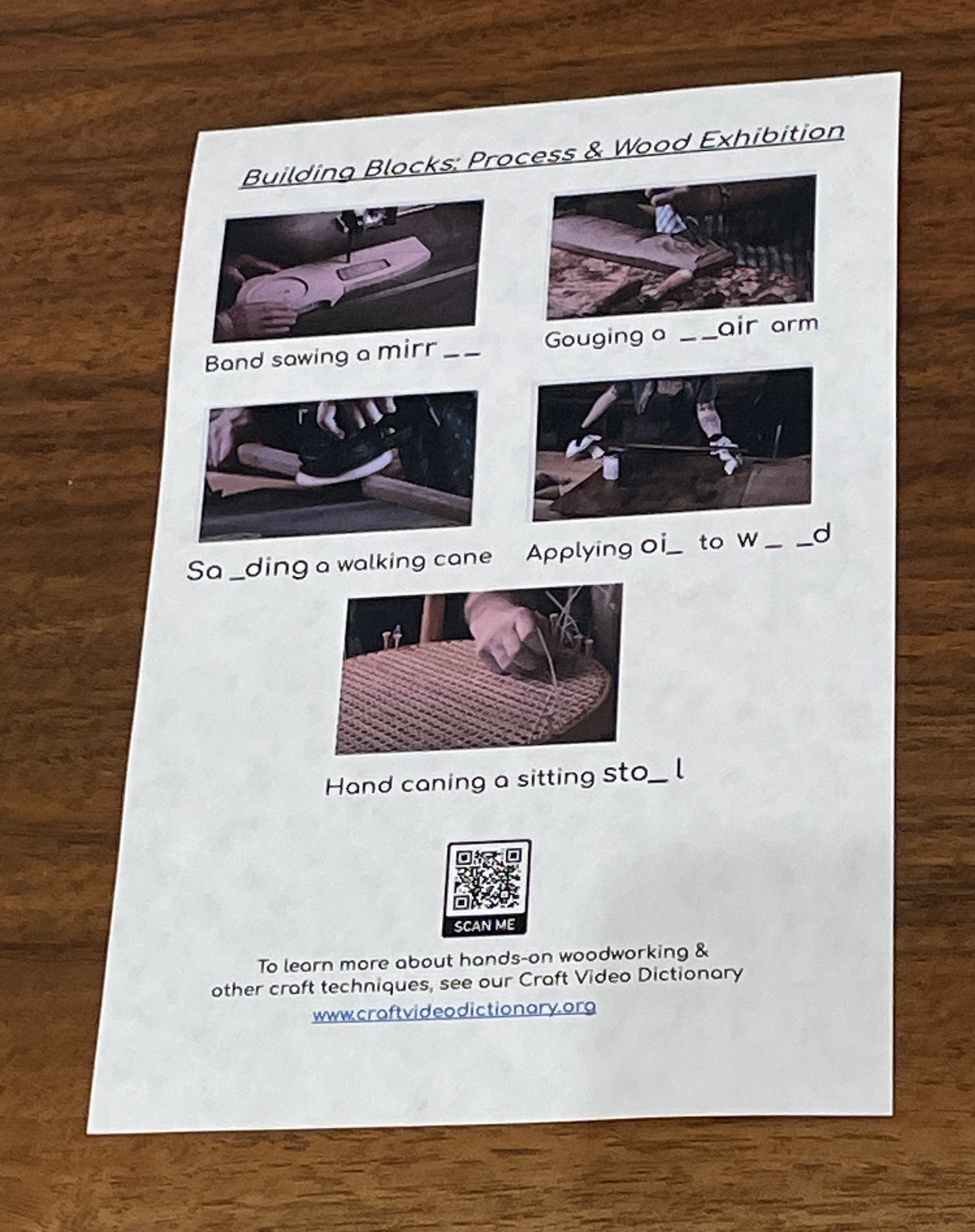
For more explorative crafters and learners, we encourage taking an inspirational dive into our PBS Craft in America docuseries: full episodes, and artist storytelling shorts. In between summer adventures and much needed rest ~ we hope you’ll drop by and connect with us soon!
Woodworking Network: Craft in America Announces New Exhibition
April 26, 2024
Original post by Dakota Smith on Woodworking Network here.
LOS ANGELES, CA — The Craft in America Center has announced Building Blocks: Process and Wood, a group exhibition highlighting Southern California woodworkers who use tradition to create contemporary interpretations.
Craft in America is organizing an exhibition of woodwork and furniture-based sculpture made by the artists who were consulted and filmed for the new Craft Video Dictionary (CVD) definitions. The exhibition will consist of approximately two dozen recent works made by six artists in the field who are based across the Los Angeles basin. Ranging in styles and perspectives, these artists are unified by formal innovation coupled with a unique understanding of materials and techniques.
The Craft Video Dictionary is a new digital tool for understanding how objects are made. Launching in early 2024 with an initial exemplary array of video definitions that span media, material, process, and discipline, the CVD will continue to expand and develop over time. New, additional video definitions will be added at later intervals in 2024 and beyond. Especially for those who are not makers or artists, the CVD provides a chance to gain awareness about the crafting of objects, in real time. These educational videos are intended to clarify, elucidate, document, and explain craft techniques.
Participating Artists: Reuben Foat, Martin Alexander Hernandez, Ryan Taber, Lauren Verdugo, Larry White and Maxwell Wilson
Urban Glass: John Luebtow and Stephen Edwards return to Los Angeles
4/23/24
Read the original article by Kinshasa Peterson on Urban Glass.
John Luebtow and Stephen Edwards return to Los Angeles for an exhibition and discussion at the Craft in America Center
The Craft in America Center in Los Angeles, which is exhibiting a dual-artist exhibit entitled “Between the LInes” through May 25, will host a conversation with the artists John Luebtow and Stephen Edwards on Saturday, April 27 from 3 PM to 4 PM PST. Both in-person and streamed on Zoom and Facebook Live, the talk will bring together two prolific creators who shaped a legacy of glassmaking in Southern California, and who are regarded nationwide as influential educators and artists. Moderated by Craft in America curator Emily Zaiden, the discussion will provide perspective on the major retrospective of their work now on view at the museum.
Luebtow and Edwards both create artwork at differing scales, from intimate forms to powerful works in the public sphere. In addition to their artistic careers, Luebtow and Edwards are both well-known educators who have a shared passion for glass with generations of students in California and New York State, where they established programs for learning in the medium, respectively. Their first meeting, in fact, came when Luebtow was Edwards’ high-school teacher, and the two formed a bond that has spanned decades.
Excerpts from Luebtow’s recently published monograph, Glass: A Lifetime of Creating, were featured in the Spring 2024 issue of Glass: The UrbanGlass Art Quarterly, on sale at newsstands and online. The article can be purchased along with our digital edition.
The accompanying exhibition, Between the Lines: John Luebtow and Stephen Edwards, is on view at the Craft in America Center through May 25.
Happy Earth Day! Art from Craft in Schools 4th graders and Calder Kamin
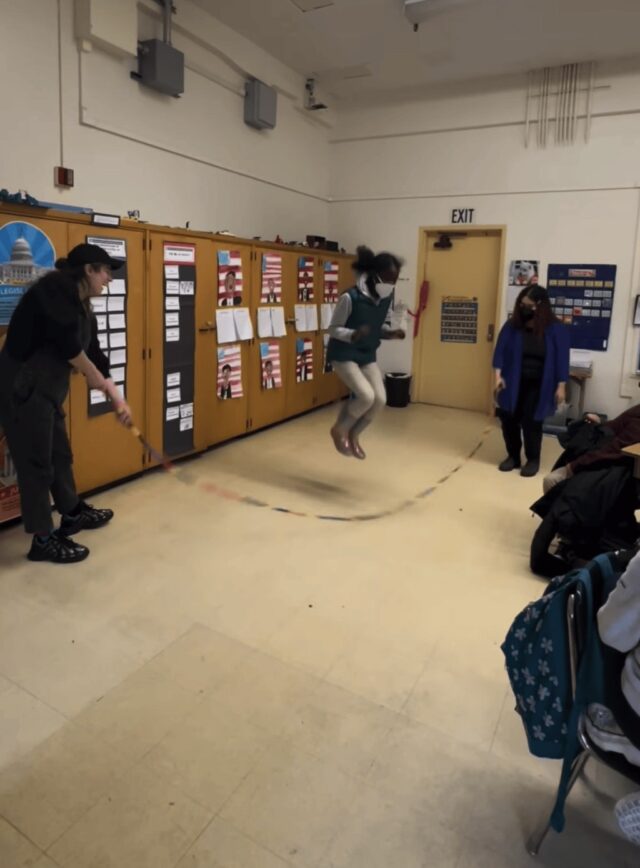
Earth day is just a few days away! Our Craft in Schools program had a blast hosting reclaimed/reuse artist and sustainability advocate Calder Kamin for our Winter field trips. Our young, neighborhood artists from Mrs. Dror’s Rosewood Elementary 4th grade class were especially inspired by Calder’s work, artist conversations, and reclaimed-art hands on projects. As a group we repurposed marker caps to create a vibrant jump rope (photo at very end, below).
These 4th graders related to Calder’s message of ecological stewardship and environmental values. Calder shared her artist’s journey and ethos for using recyclable materials to address and reduce waste problems through her art residencies. We had lively classroom conversations around the recurring theme of transforming the human made problem of waste into art– because “nature never wastes, that’s why I(Calder) reuse!” In turn, these 4th graders shared about their student-led recycling club and how they repurpose everyday objects for creative and inventive projects. Environmental care and creativity~ what fun!
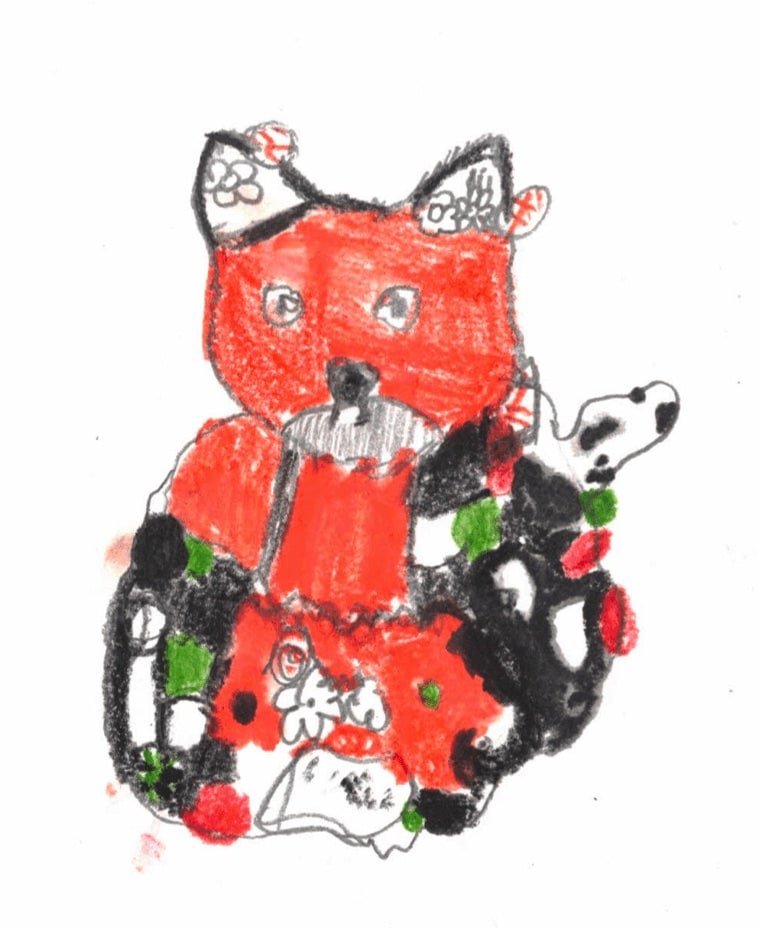
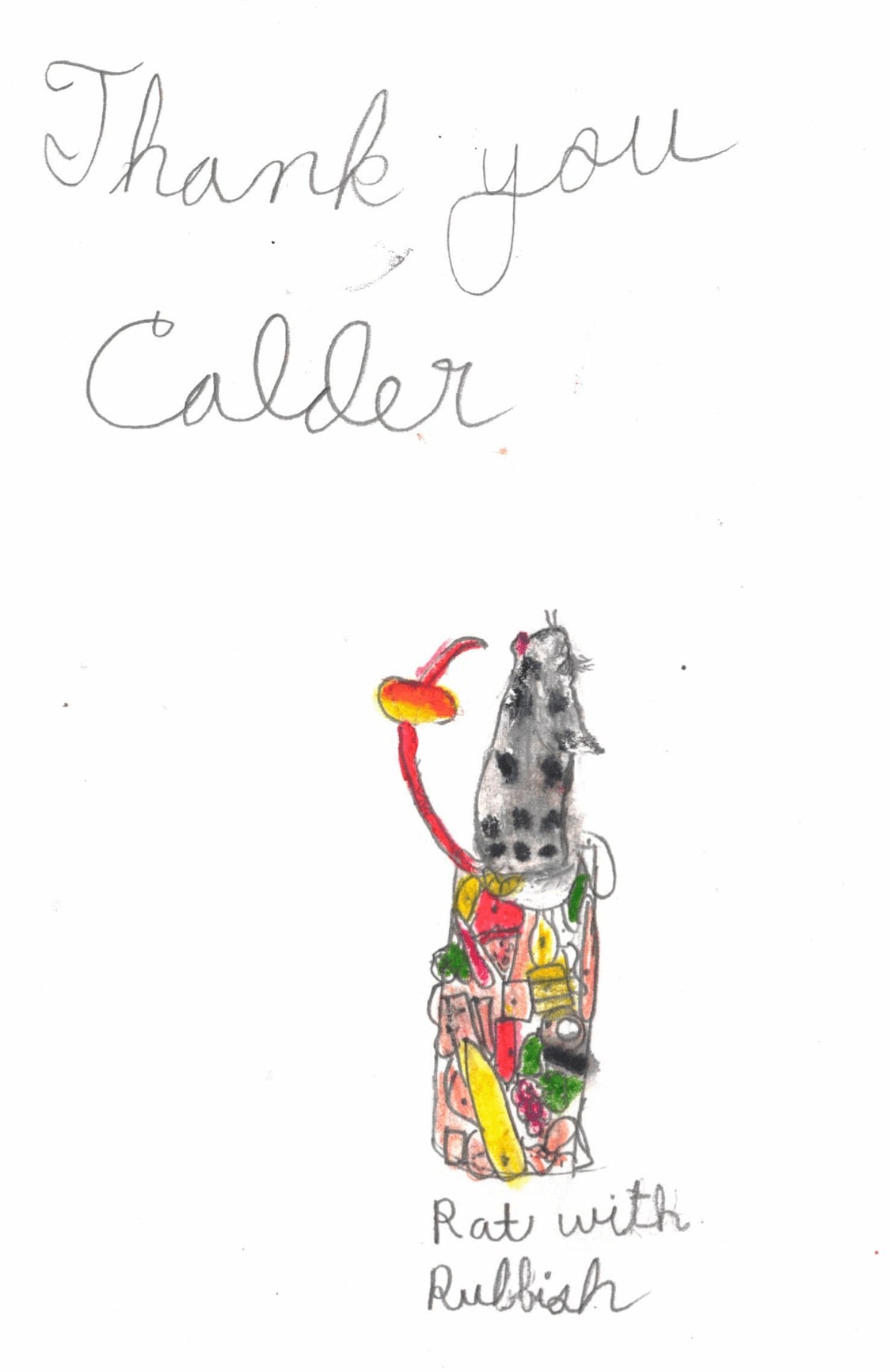
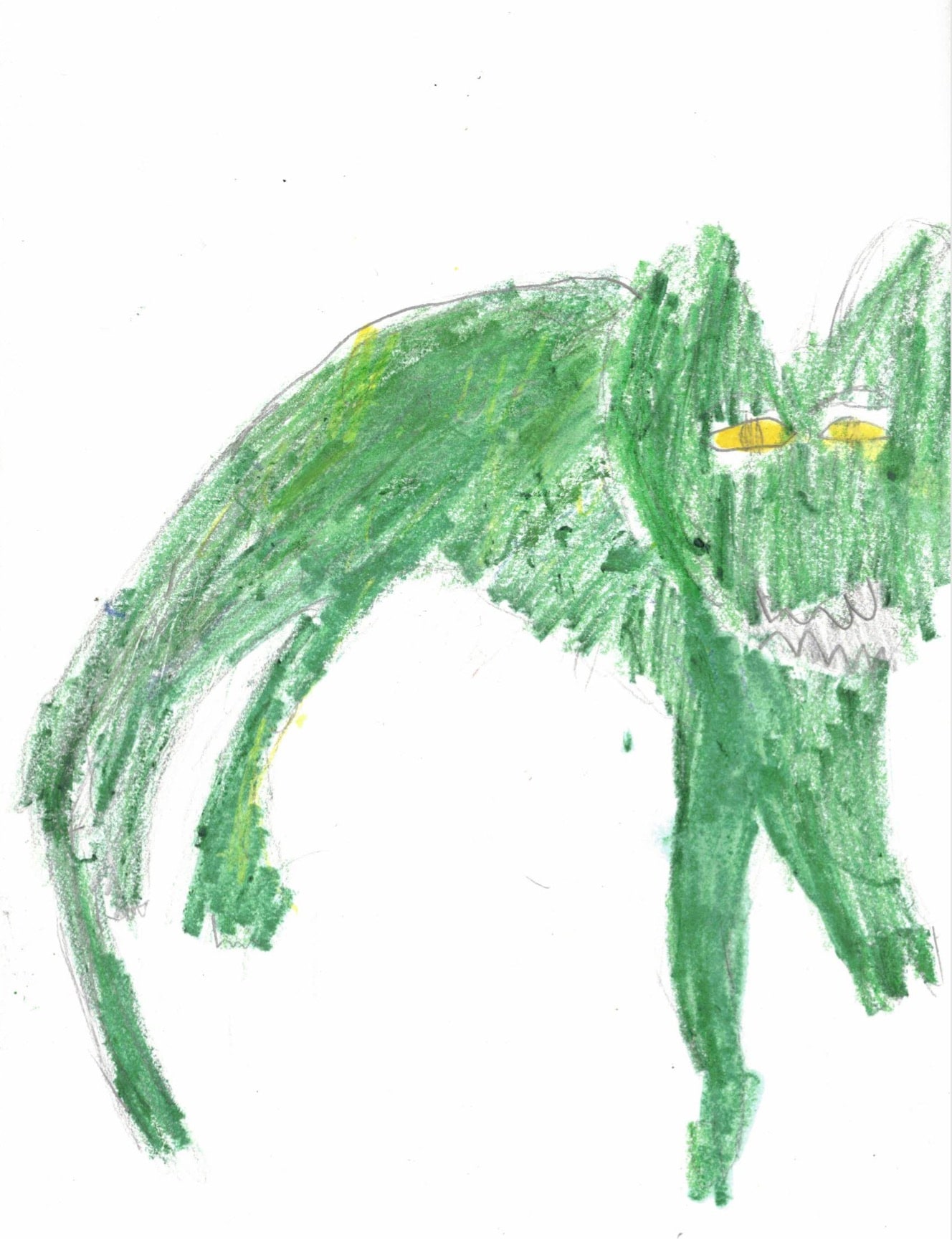
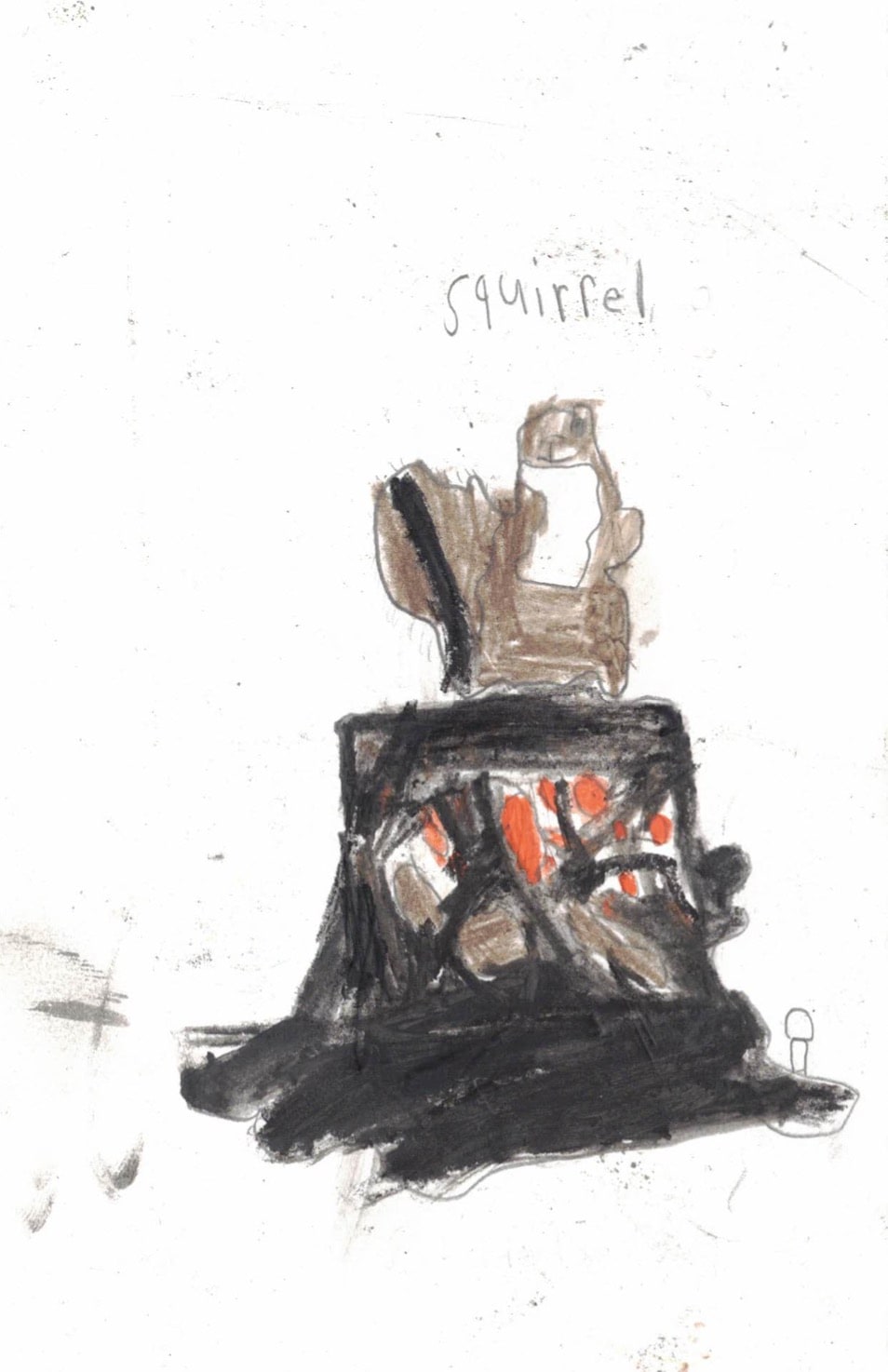
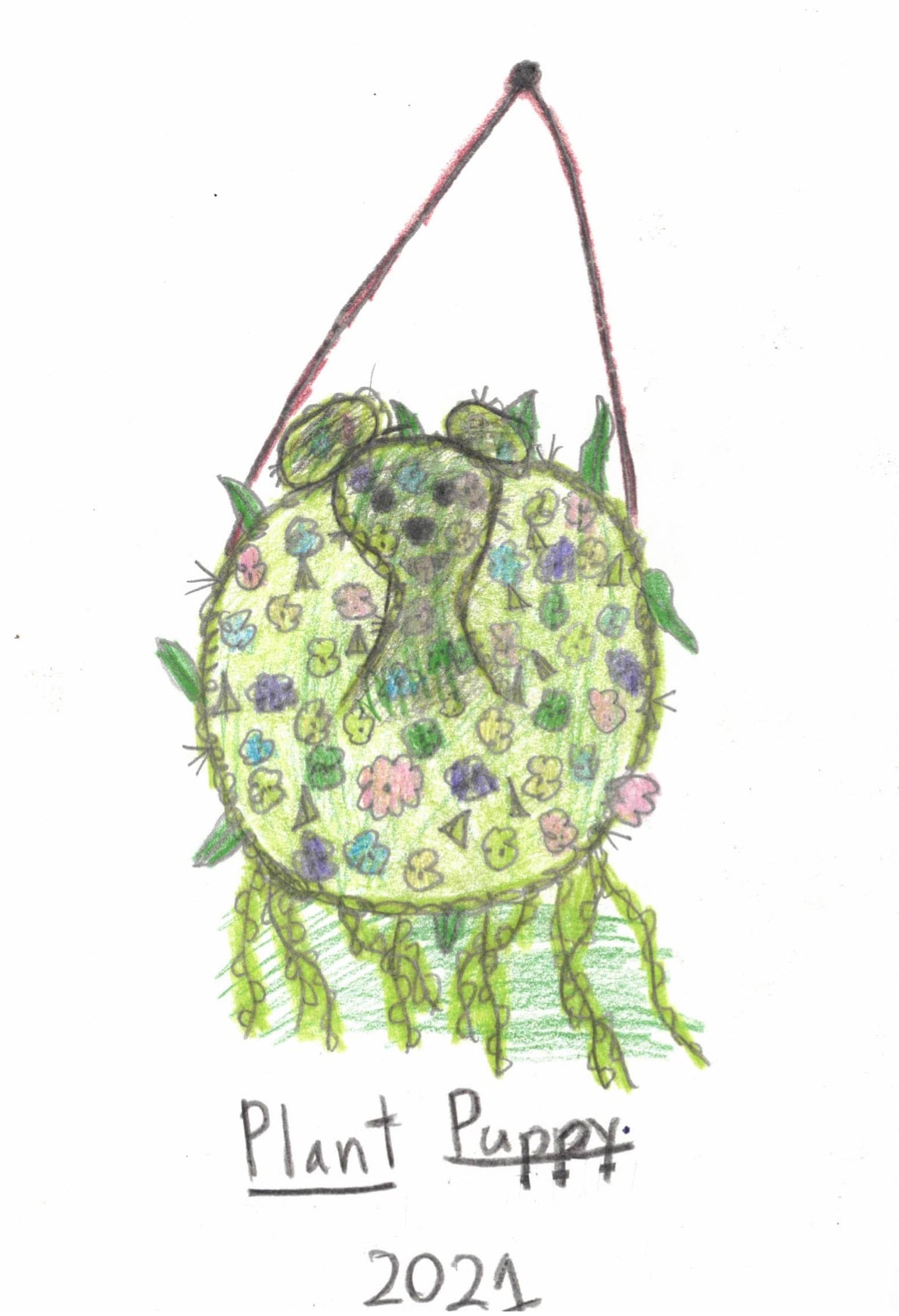
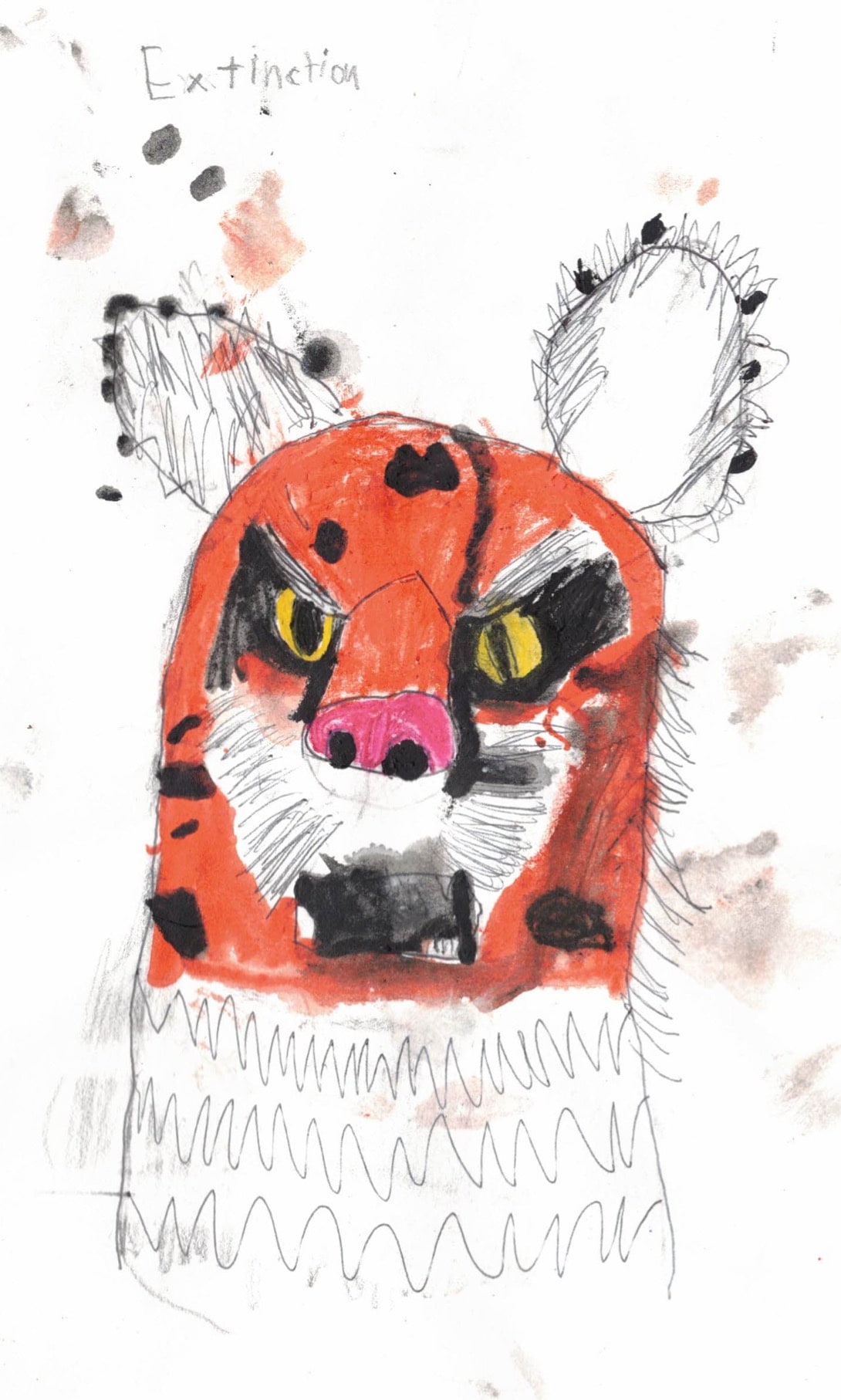
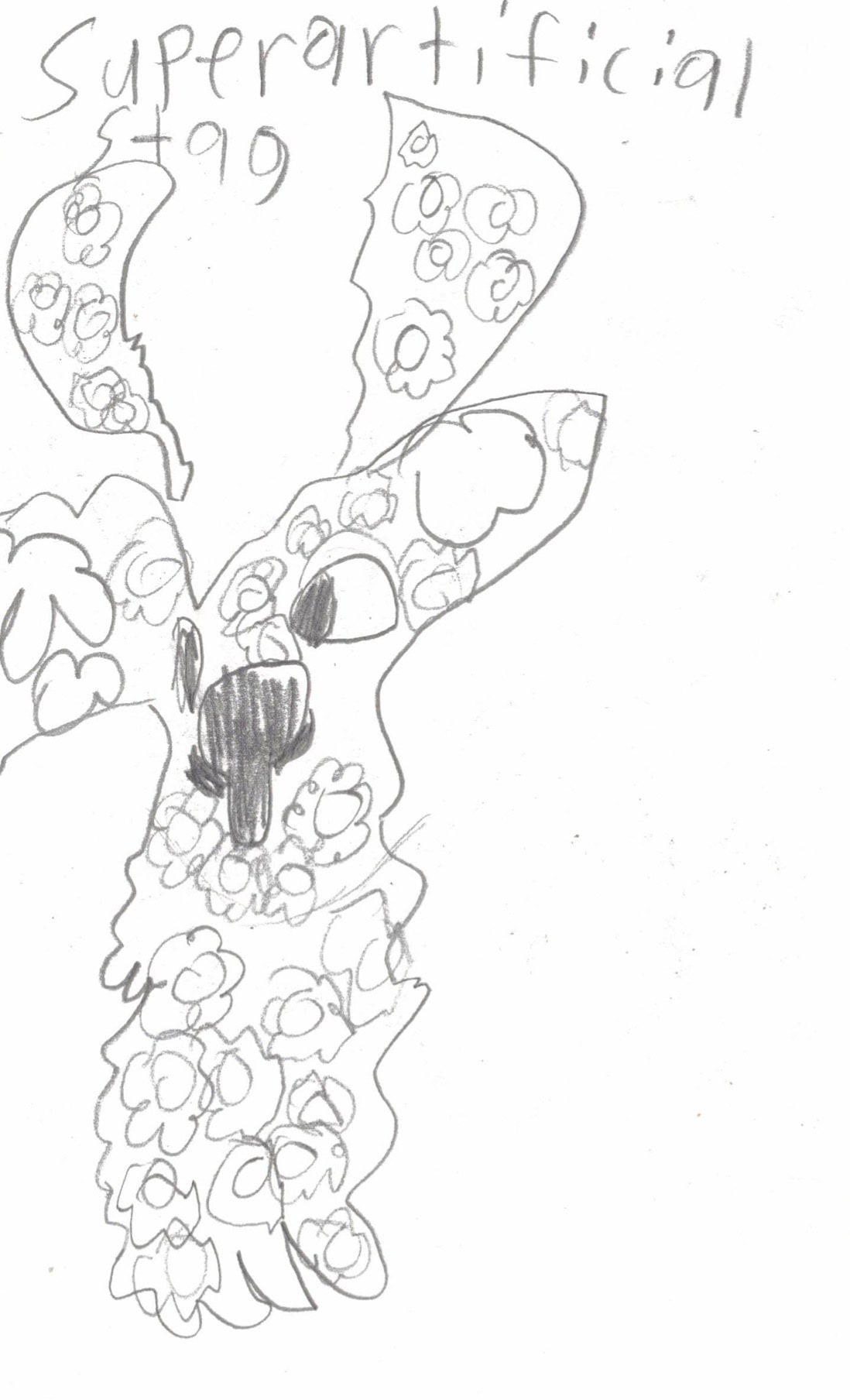
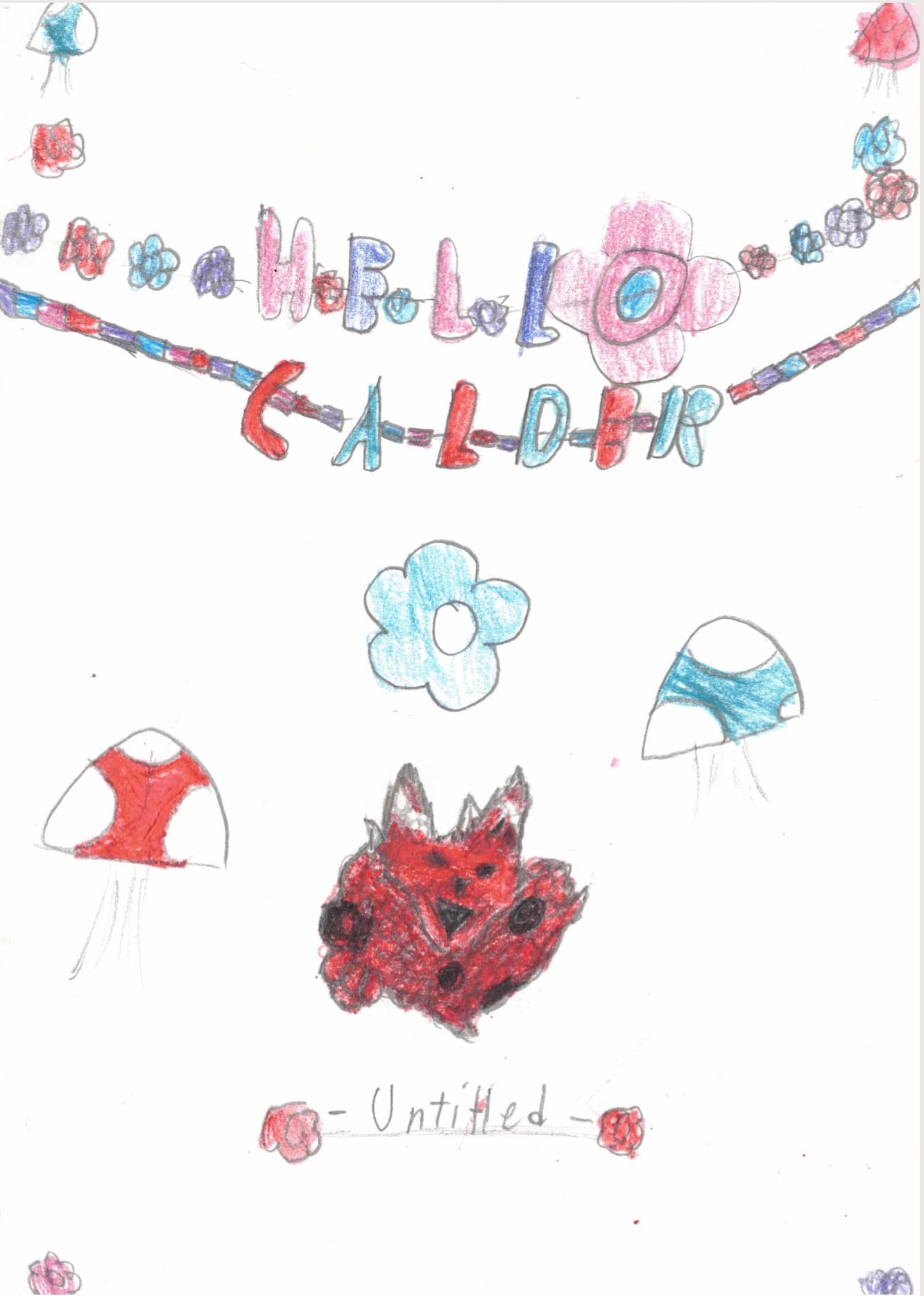
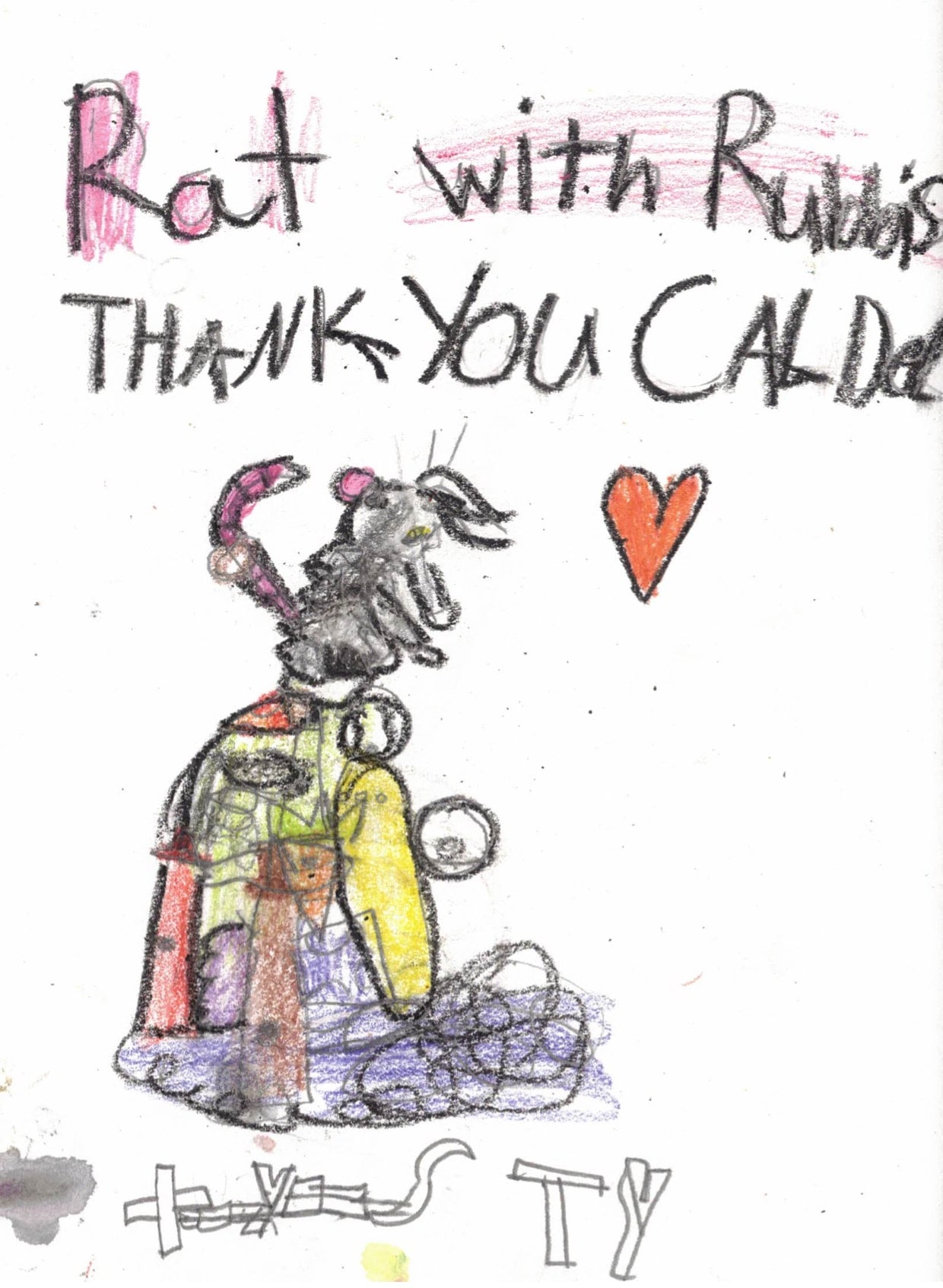
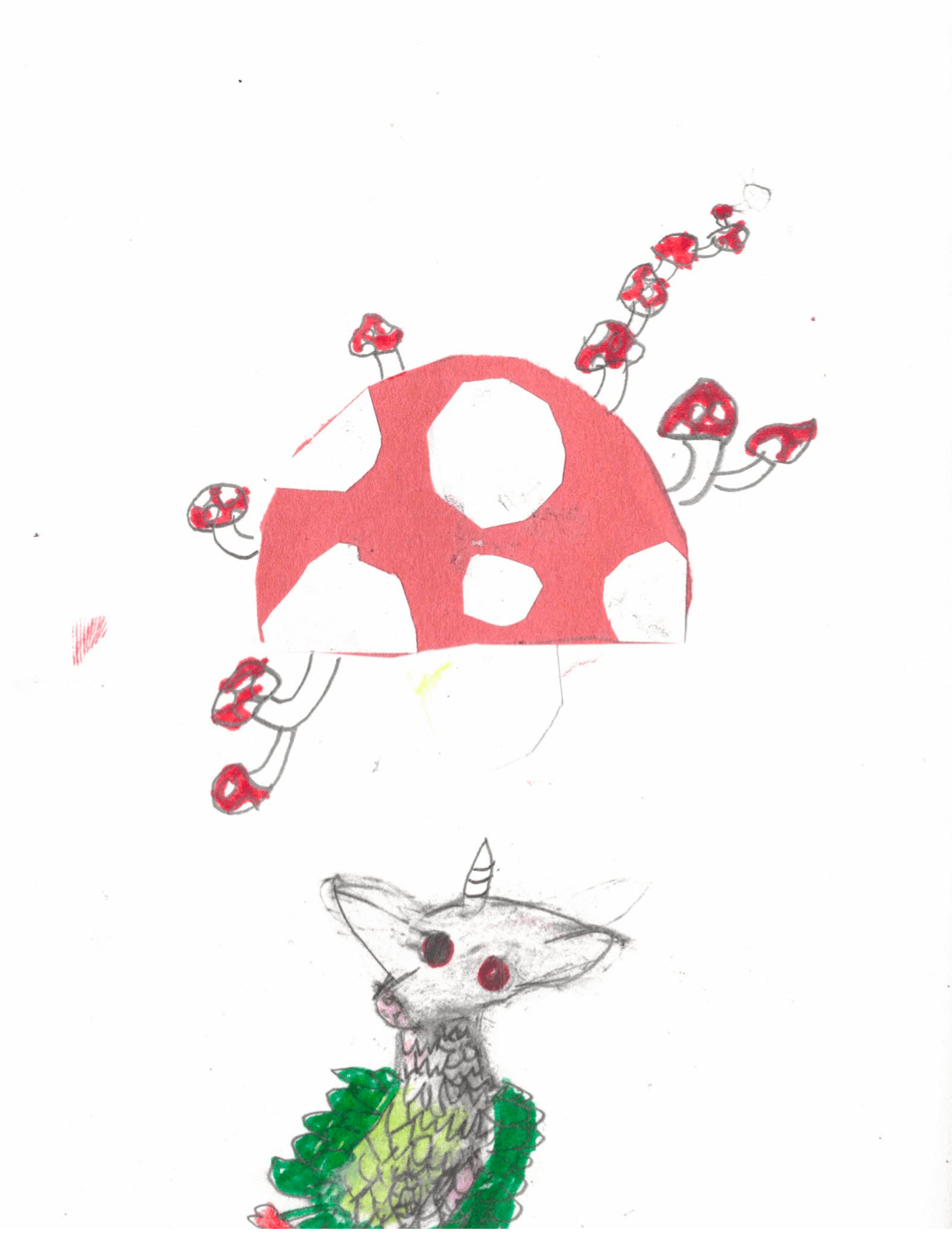
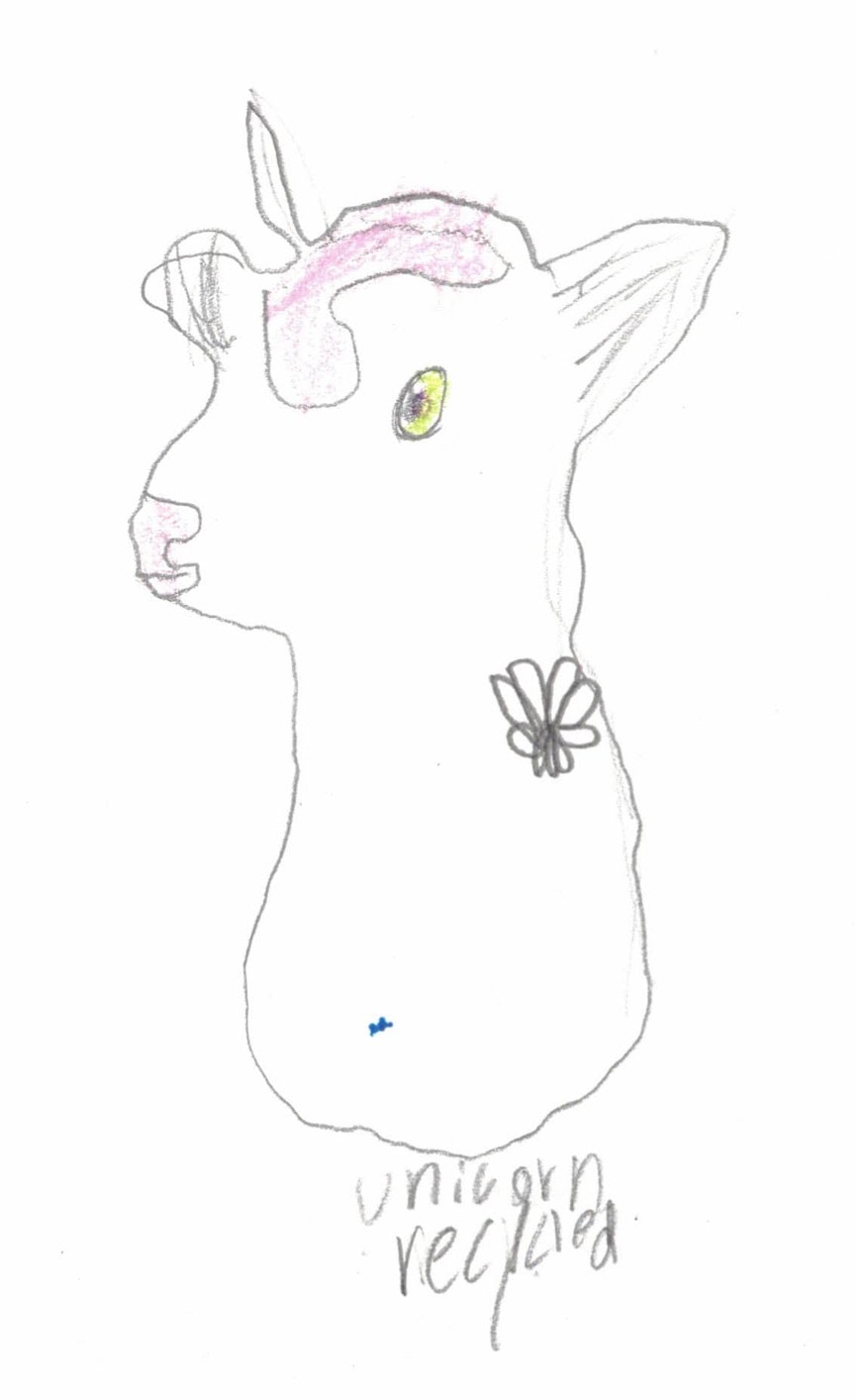
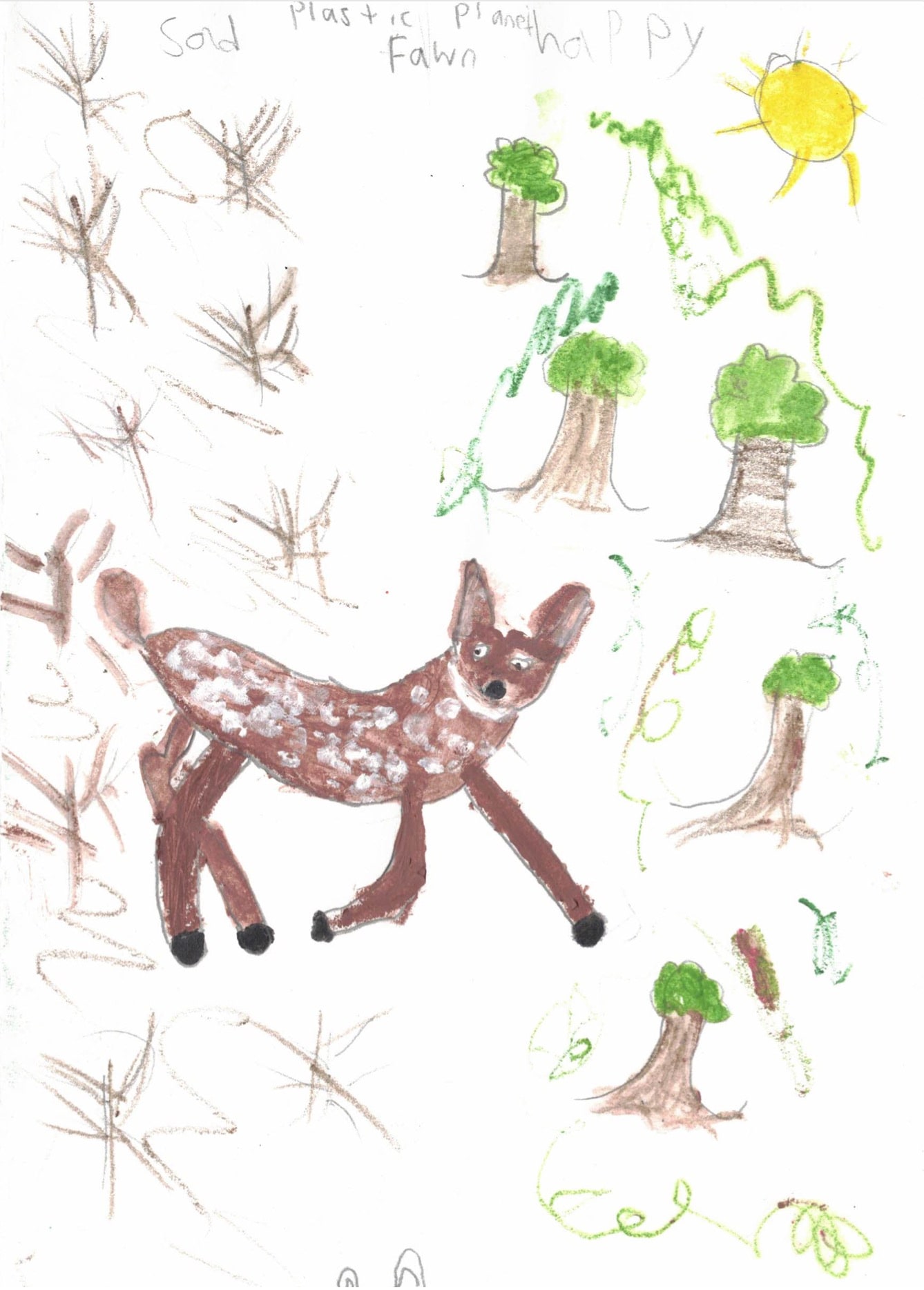
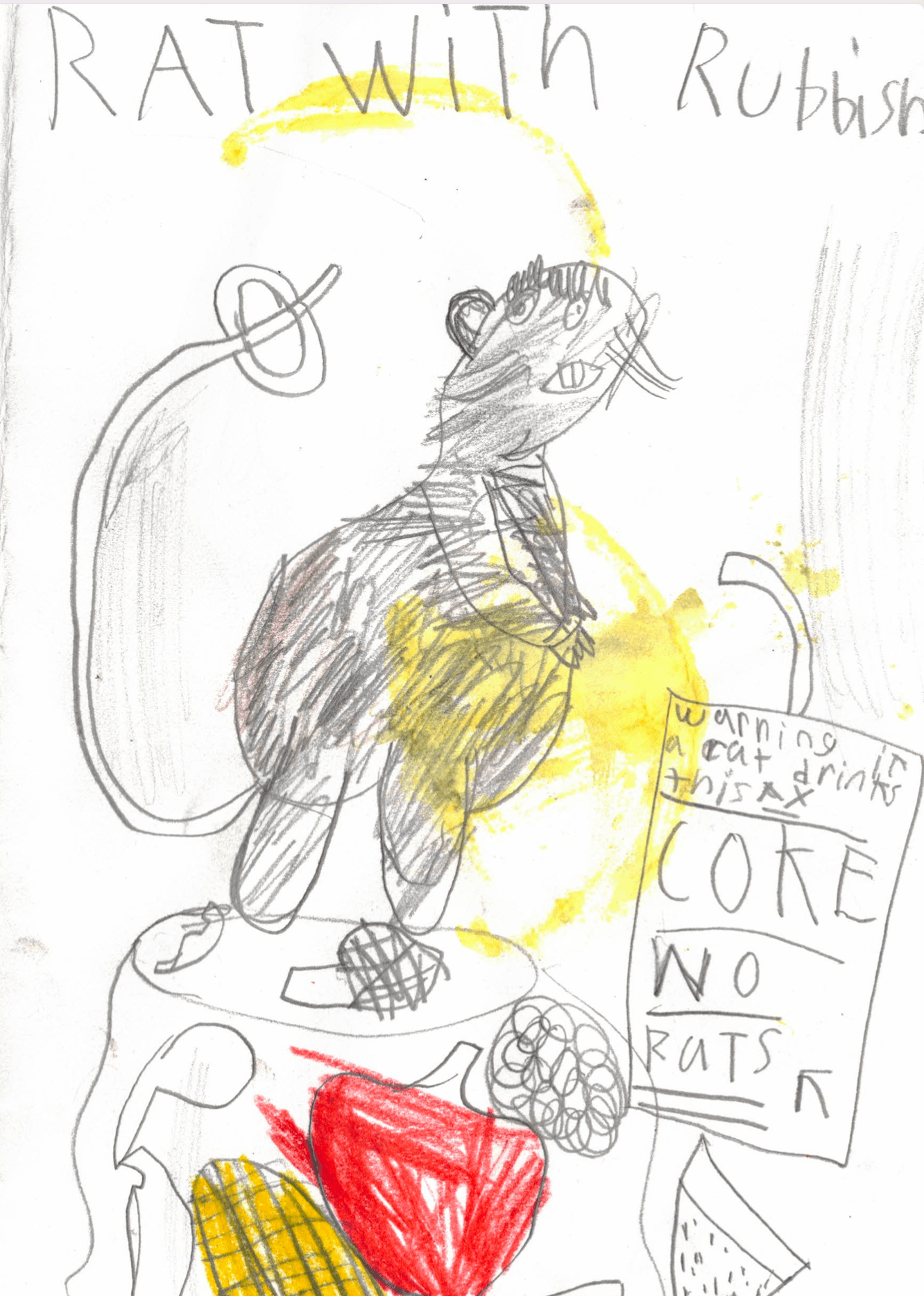
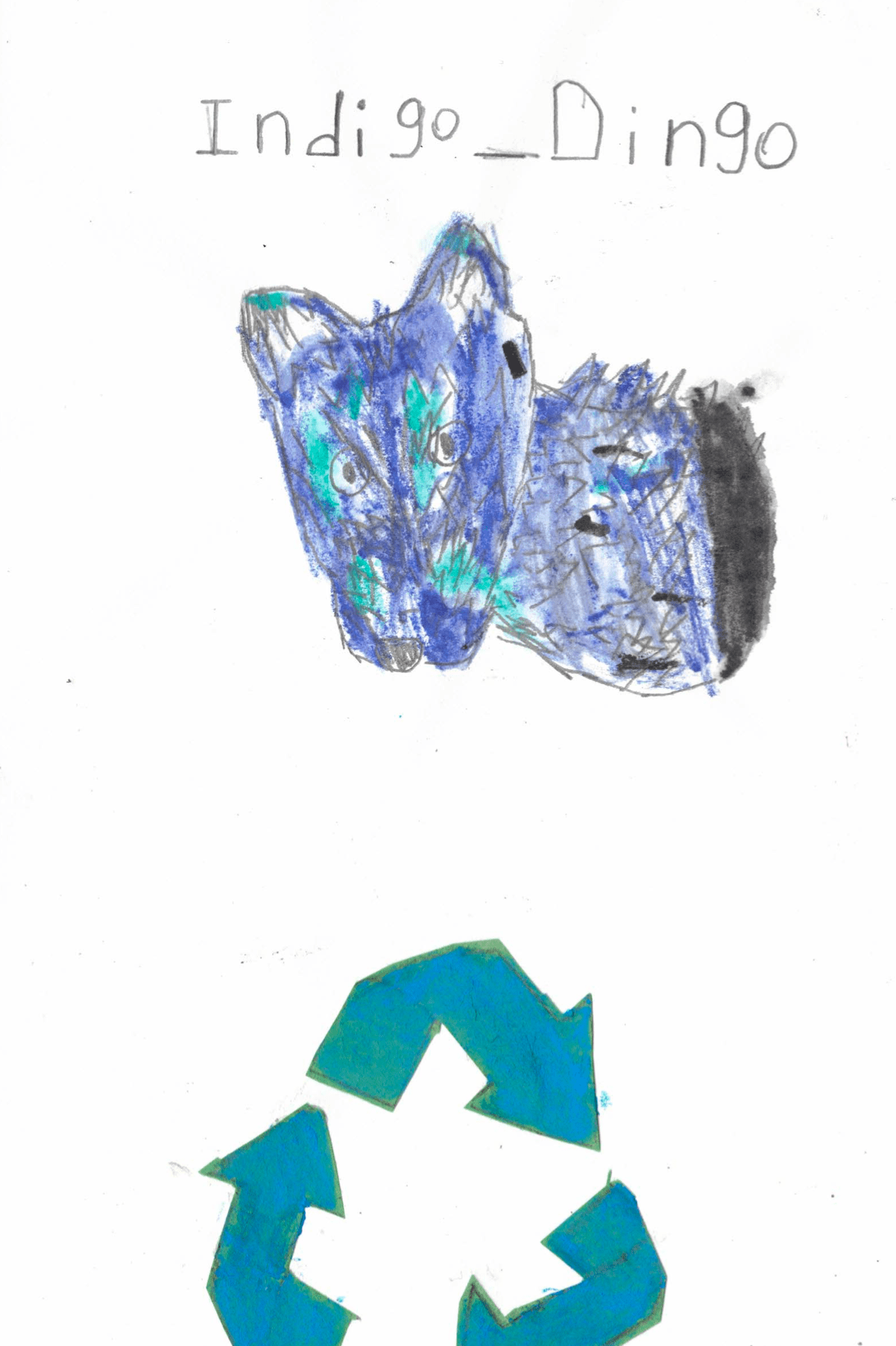
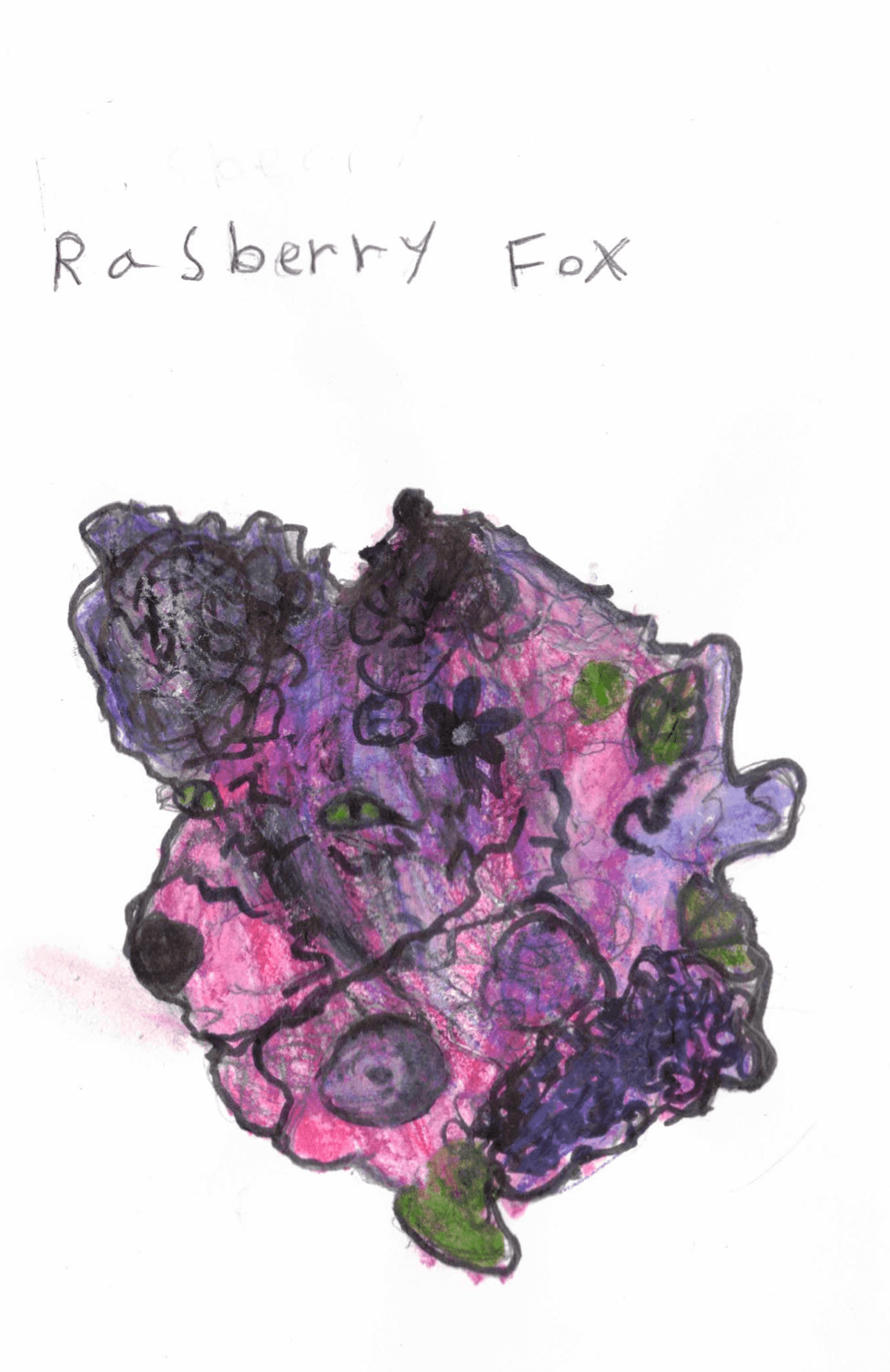
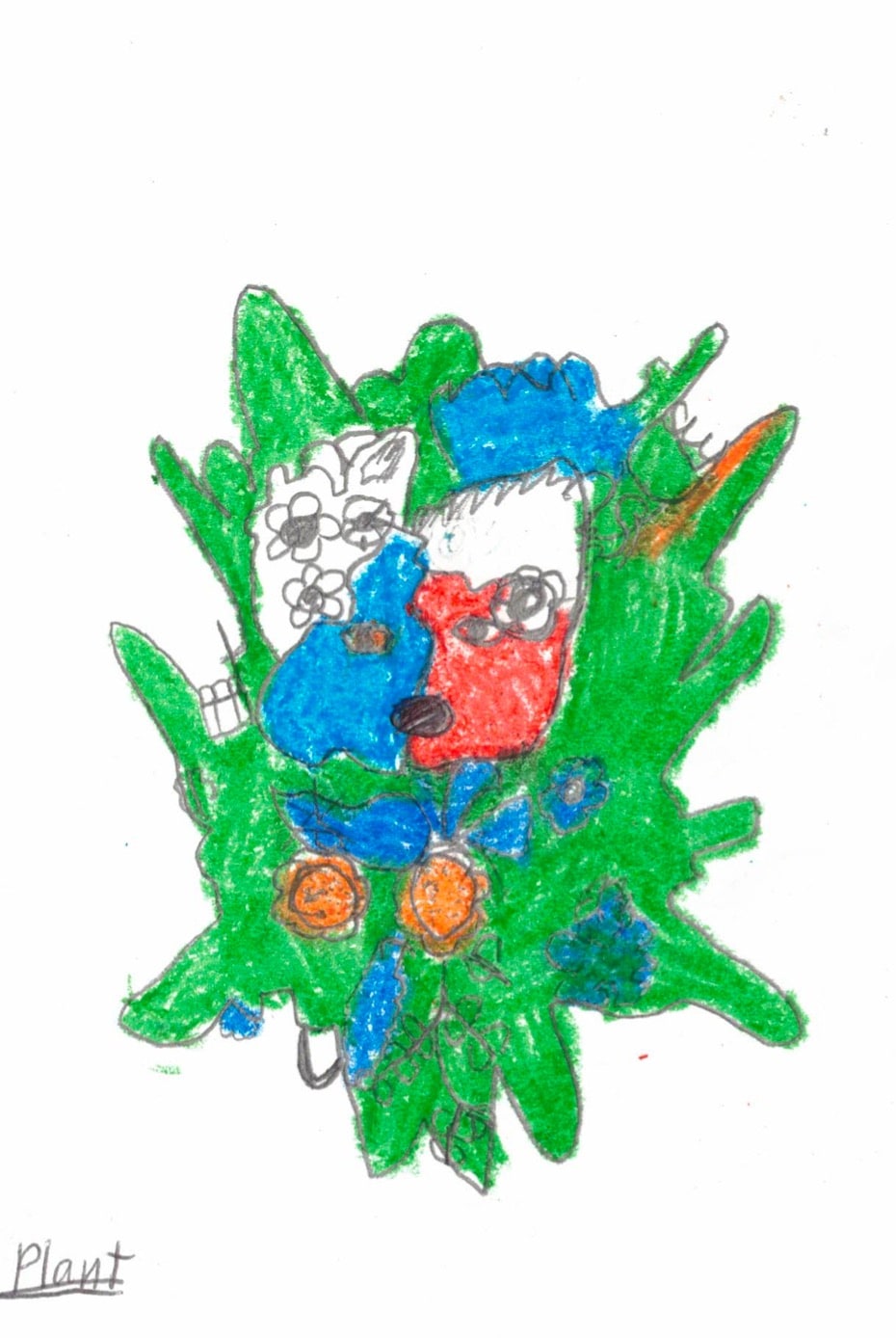
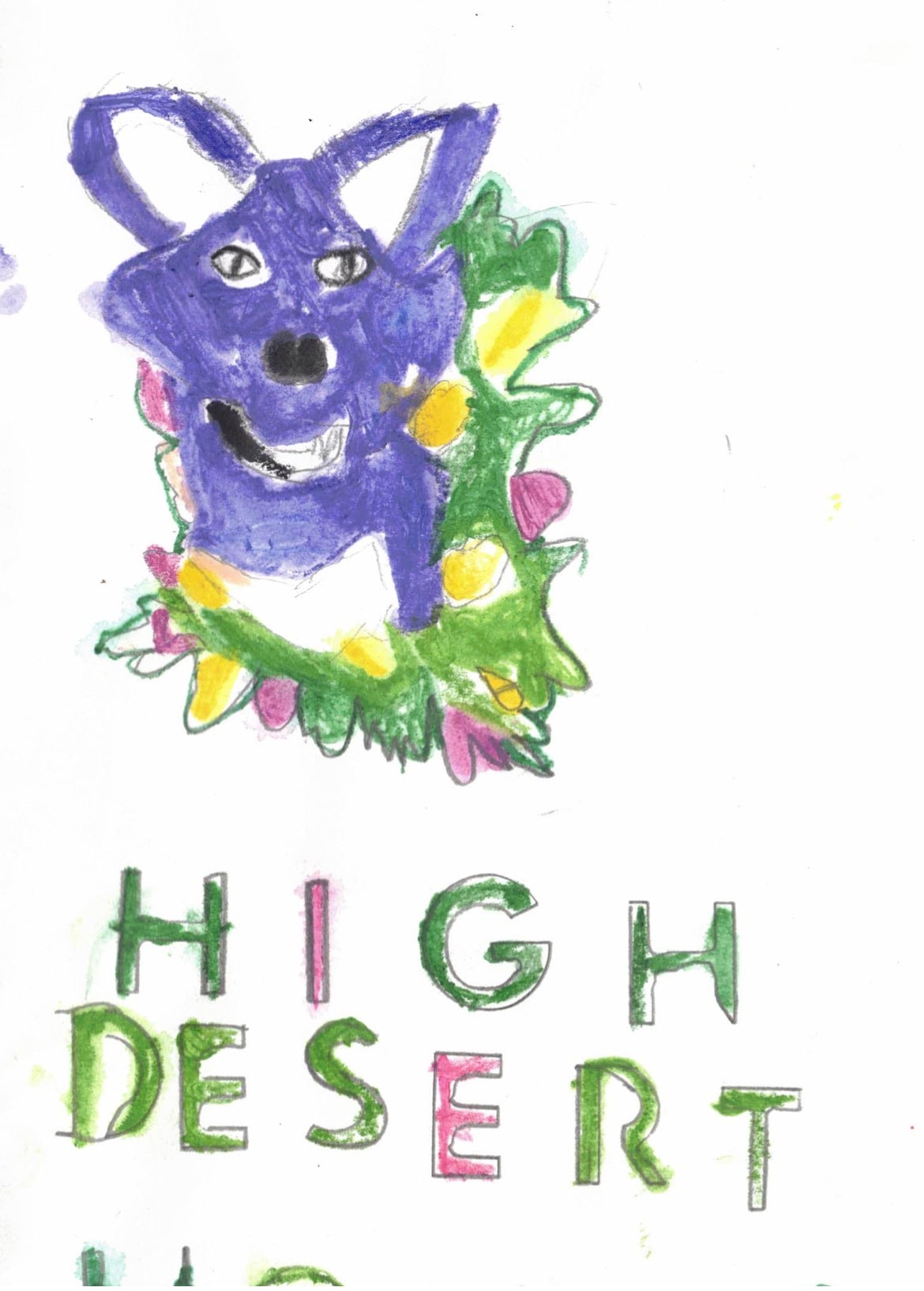
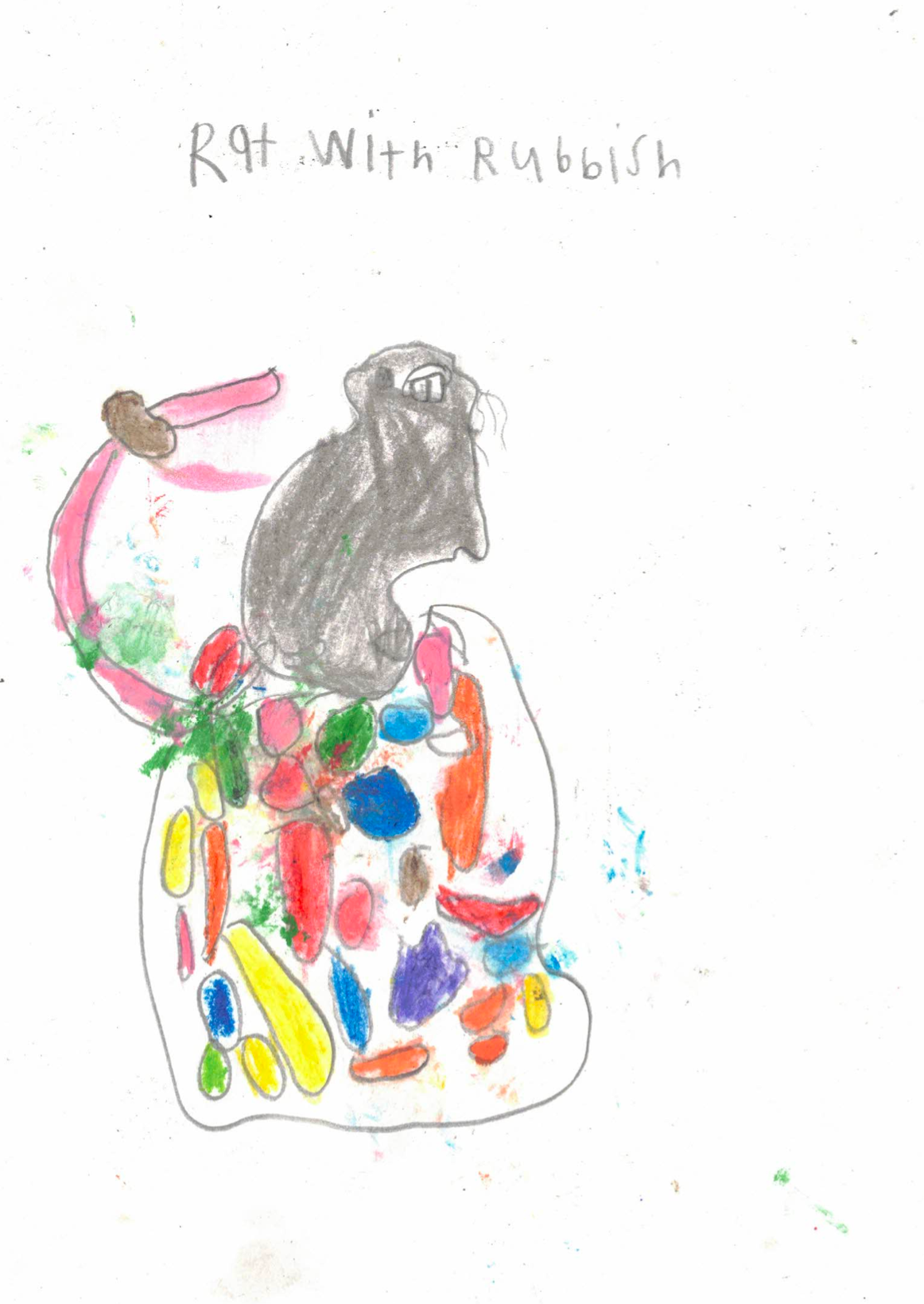
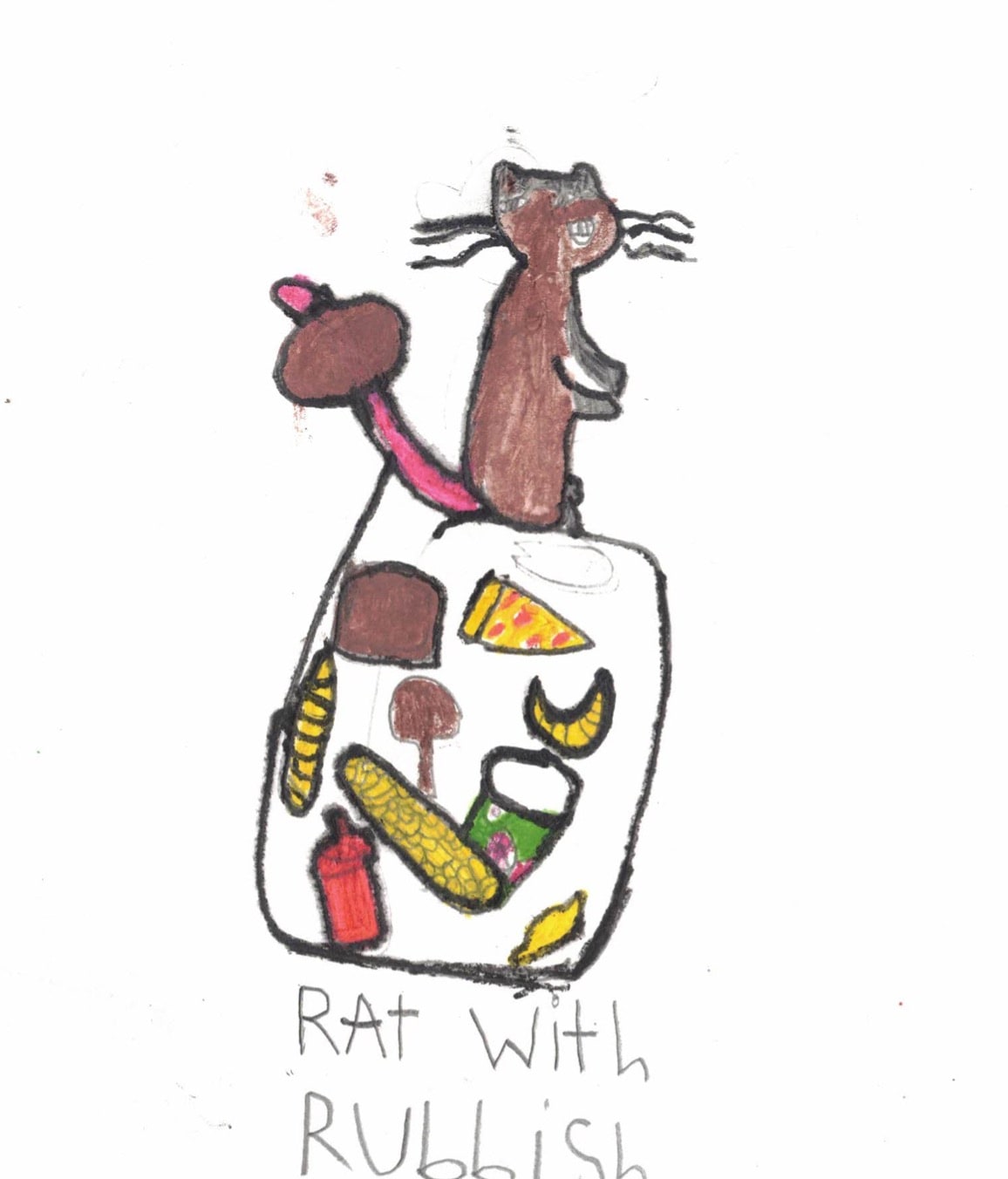
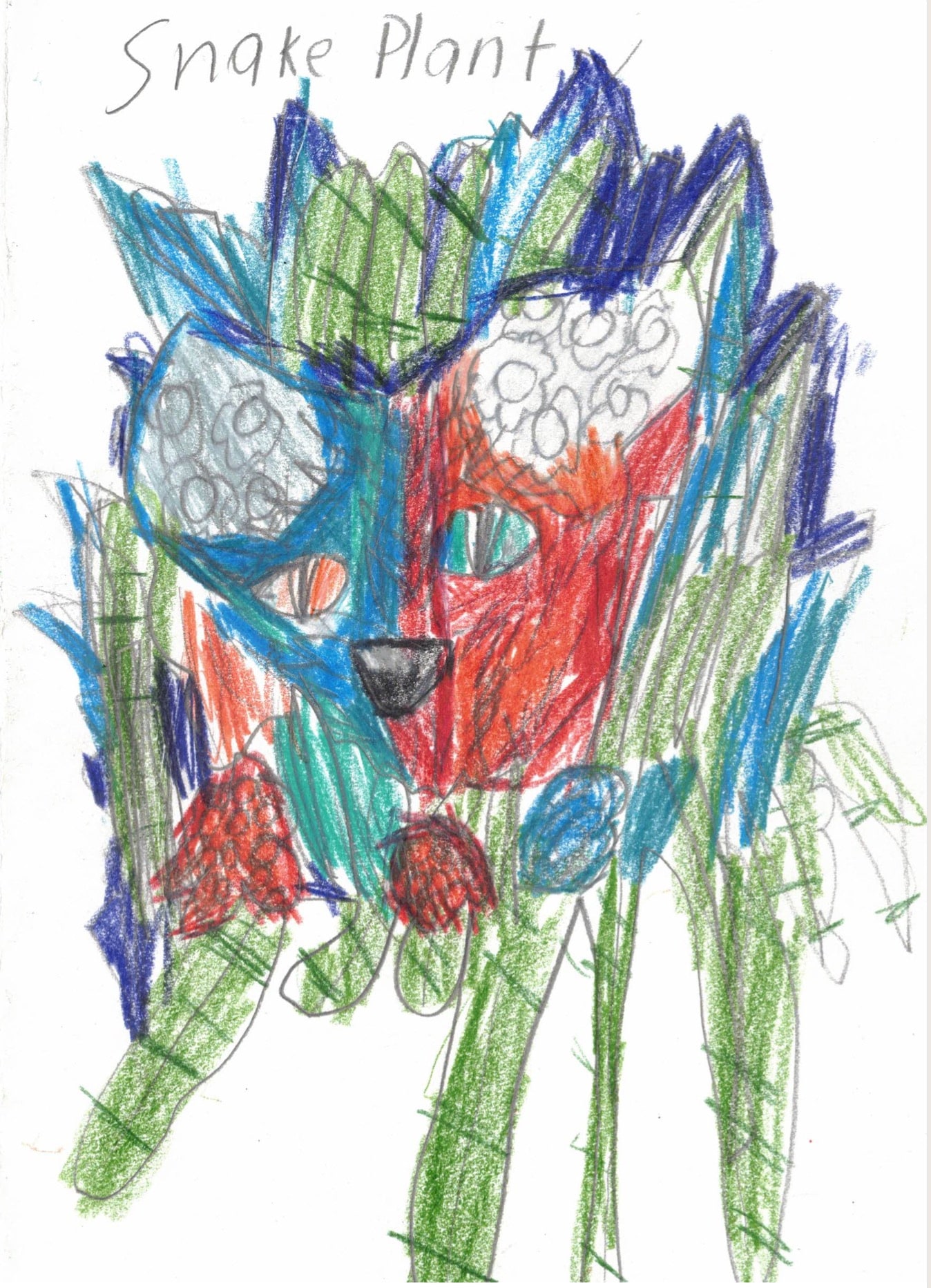
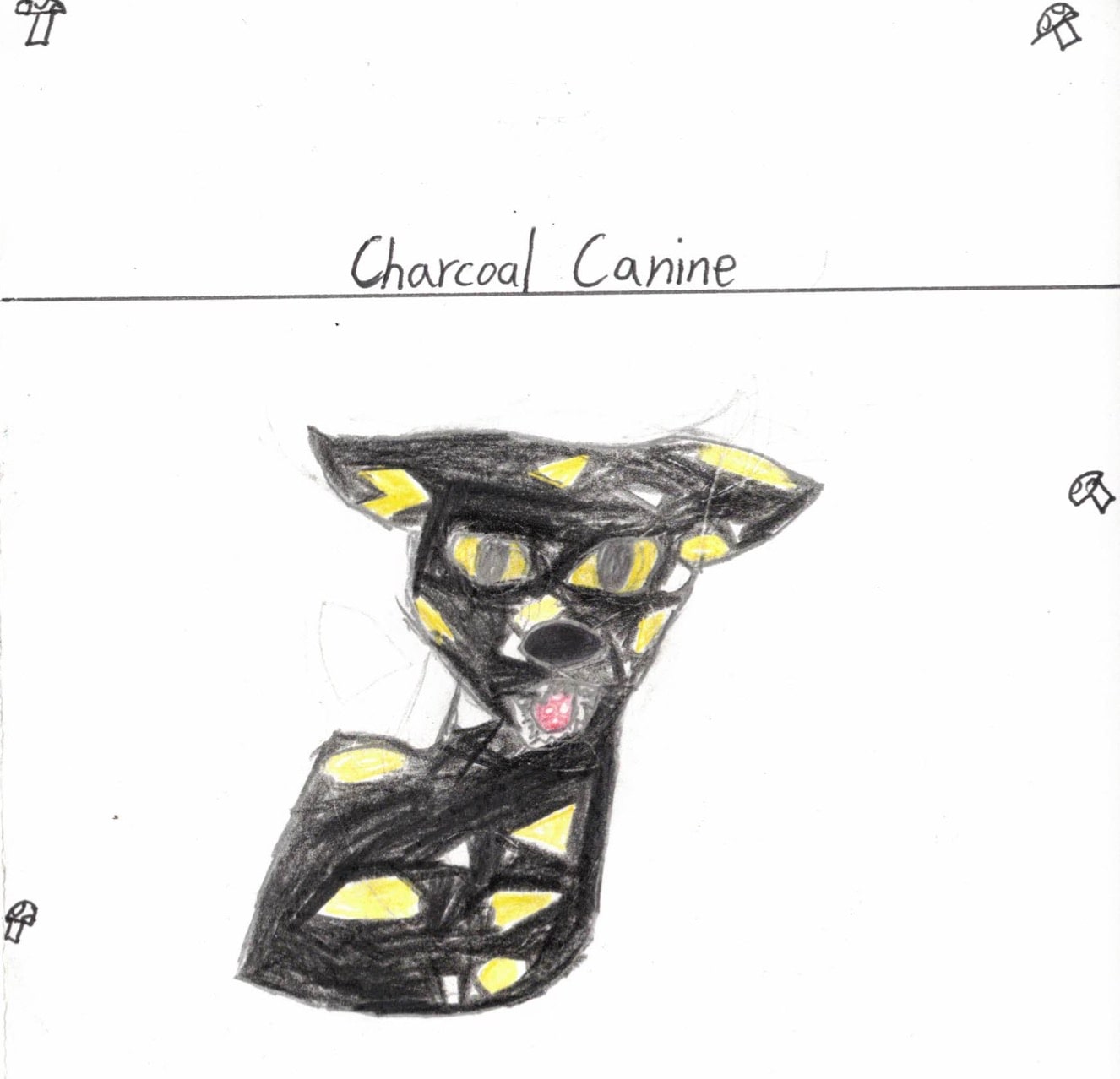
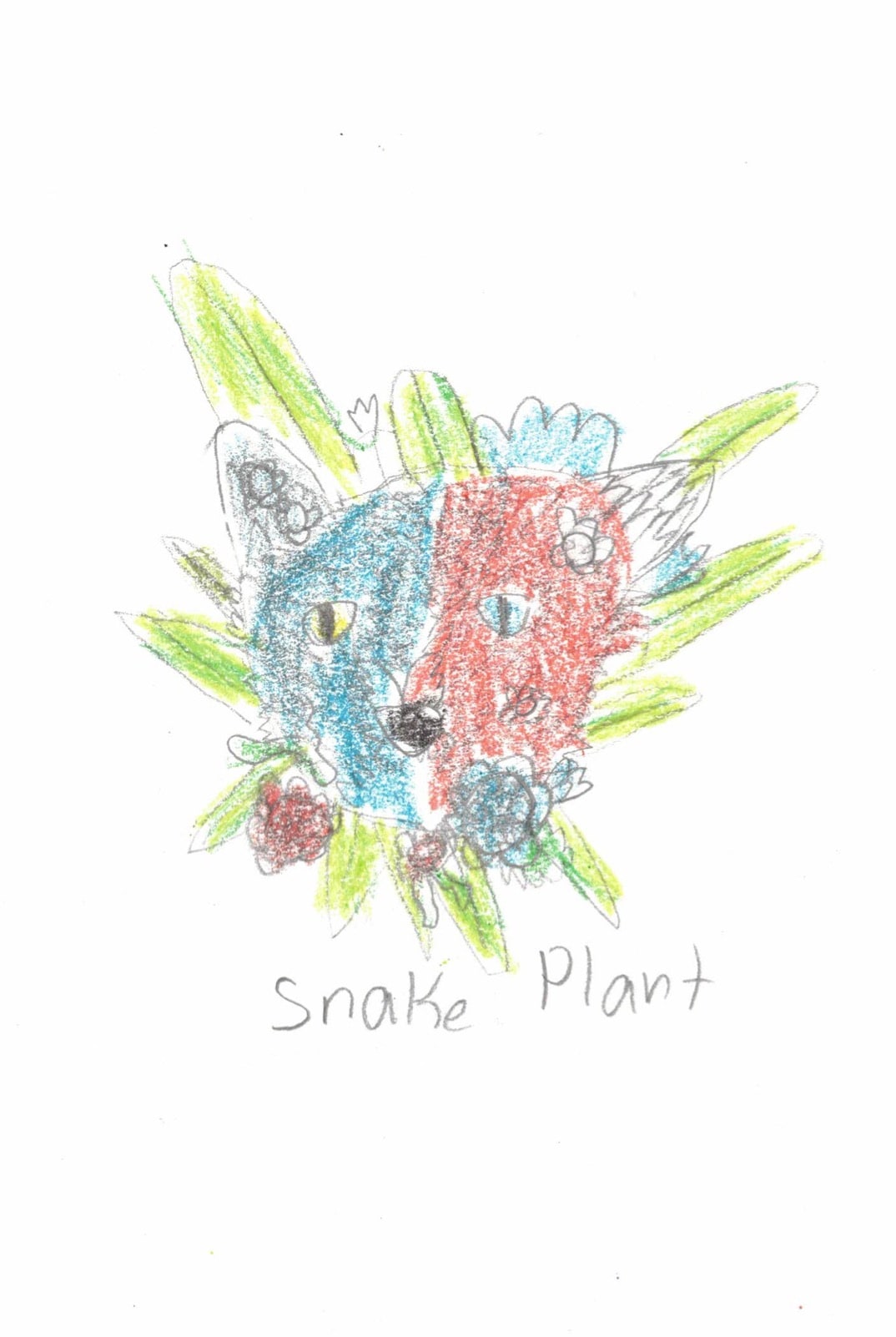
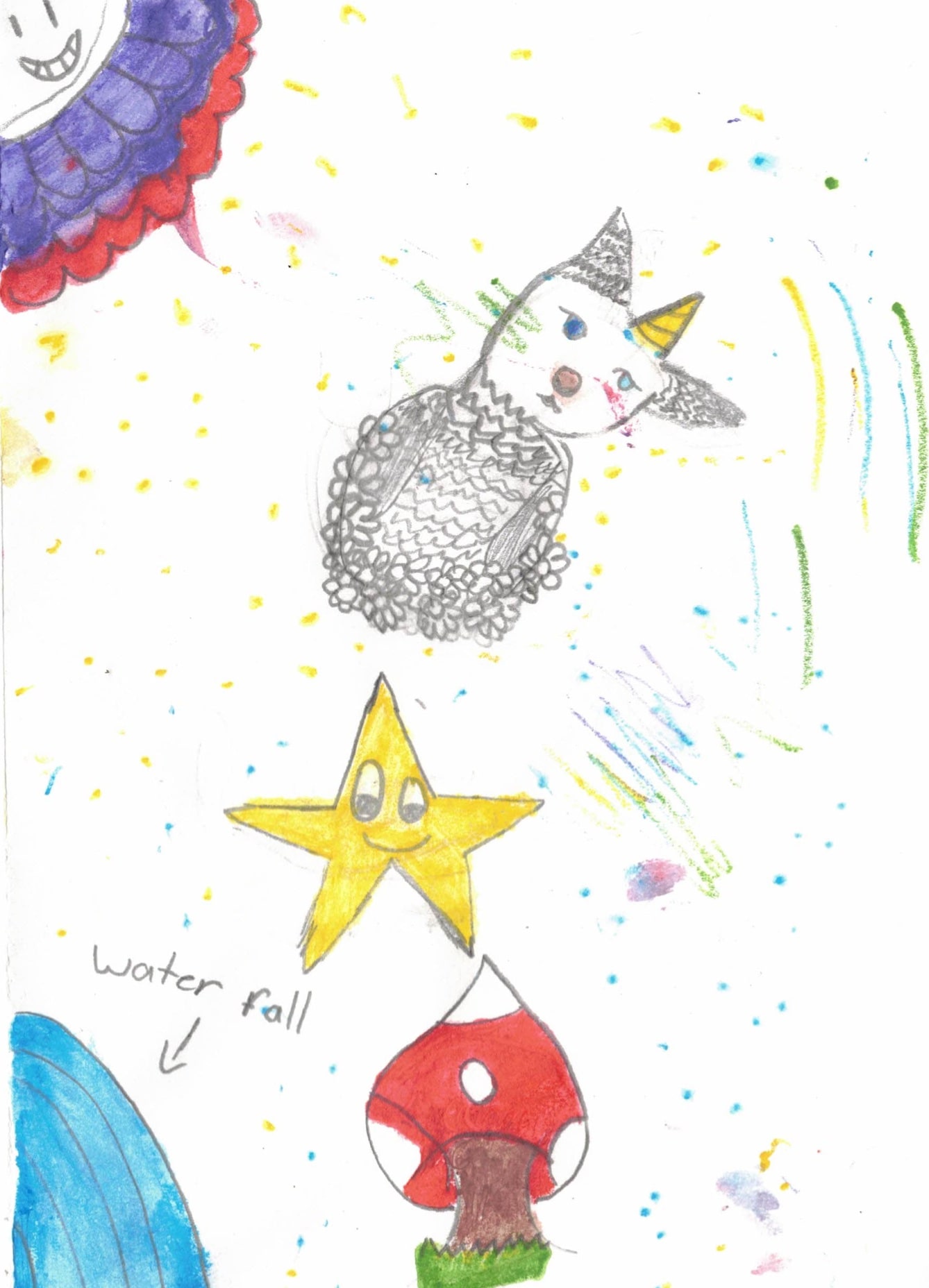
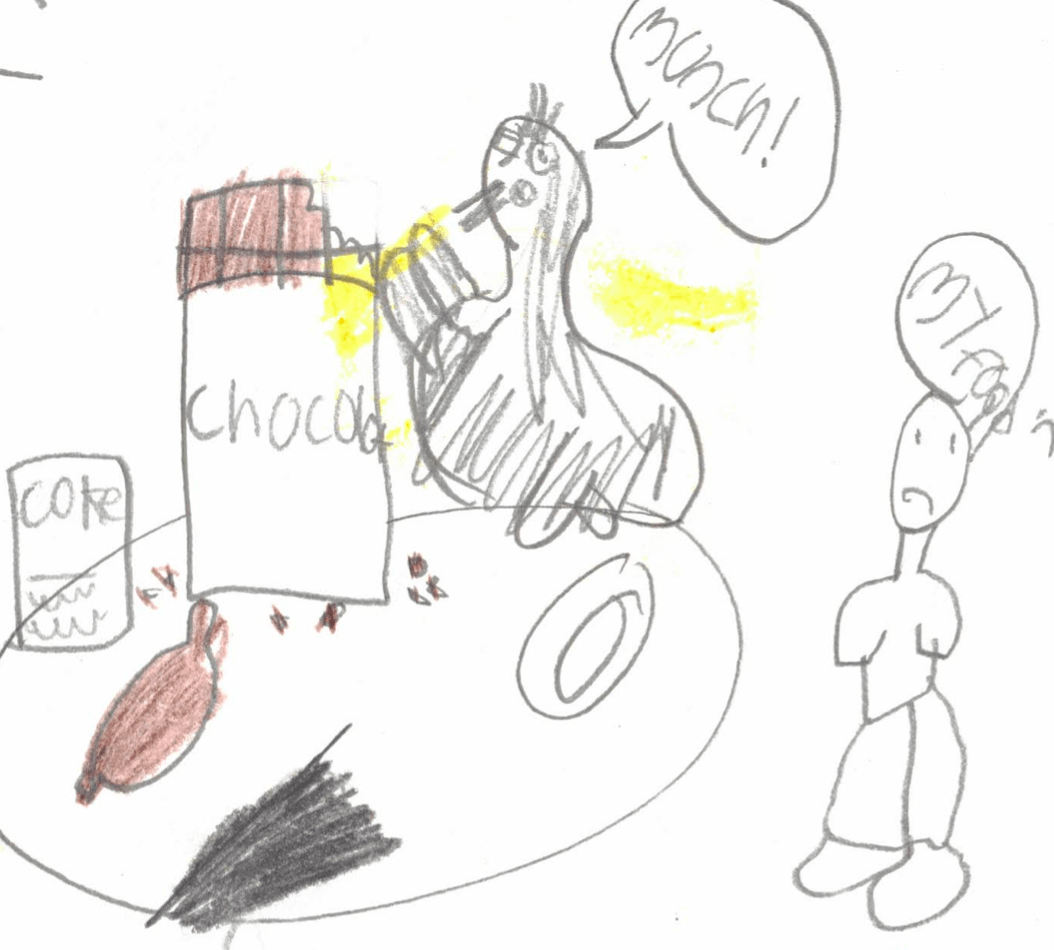
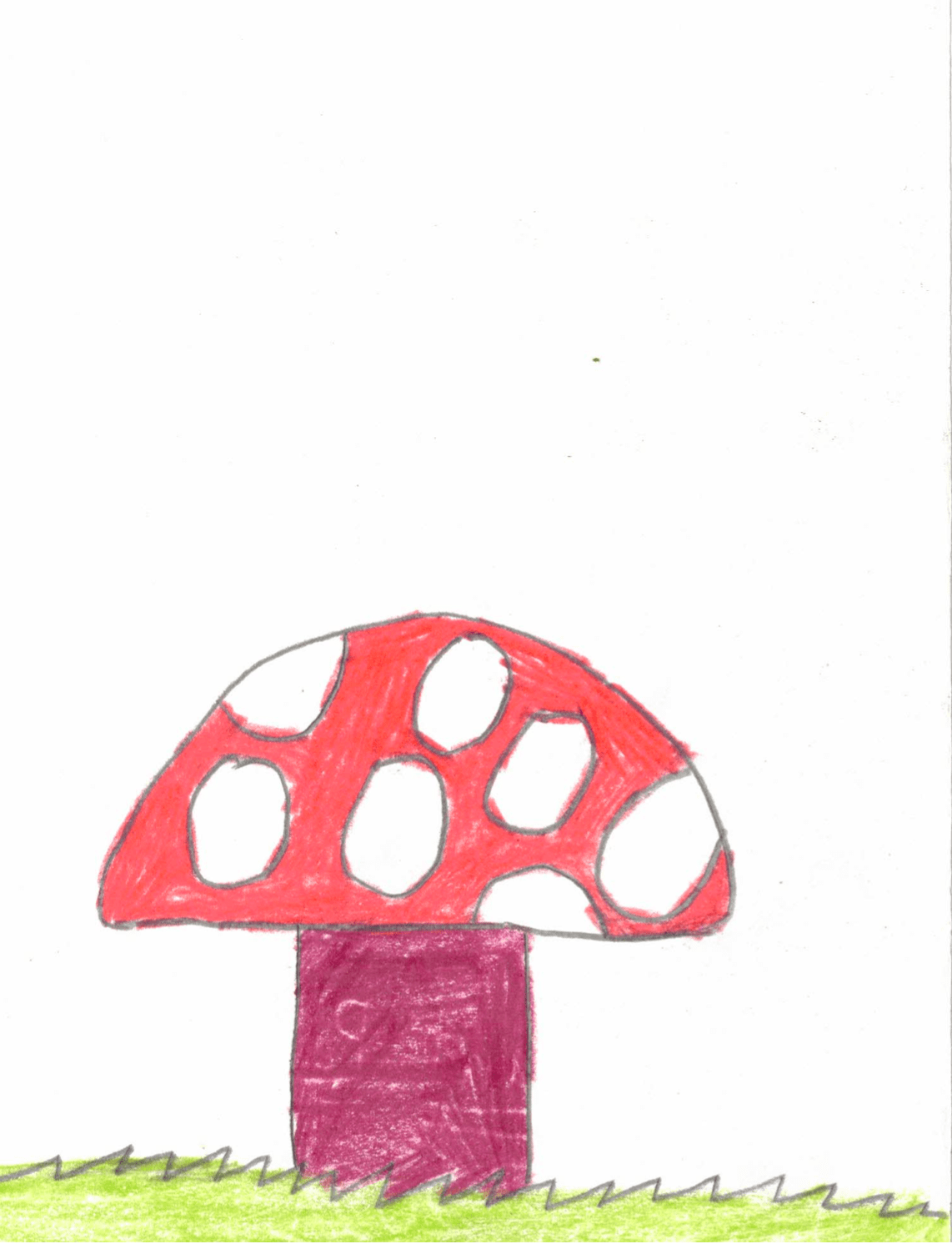
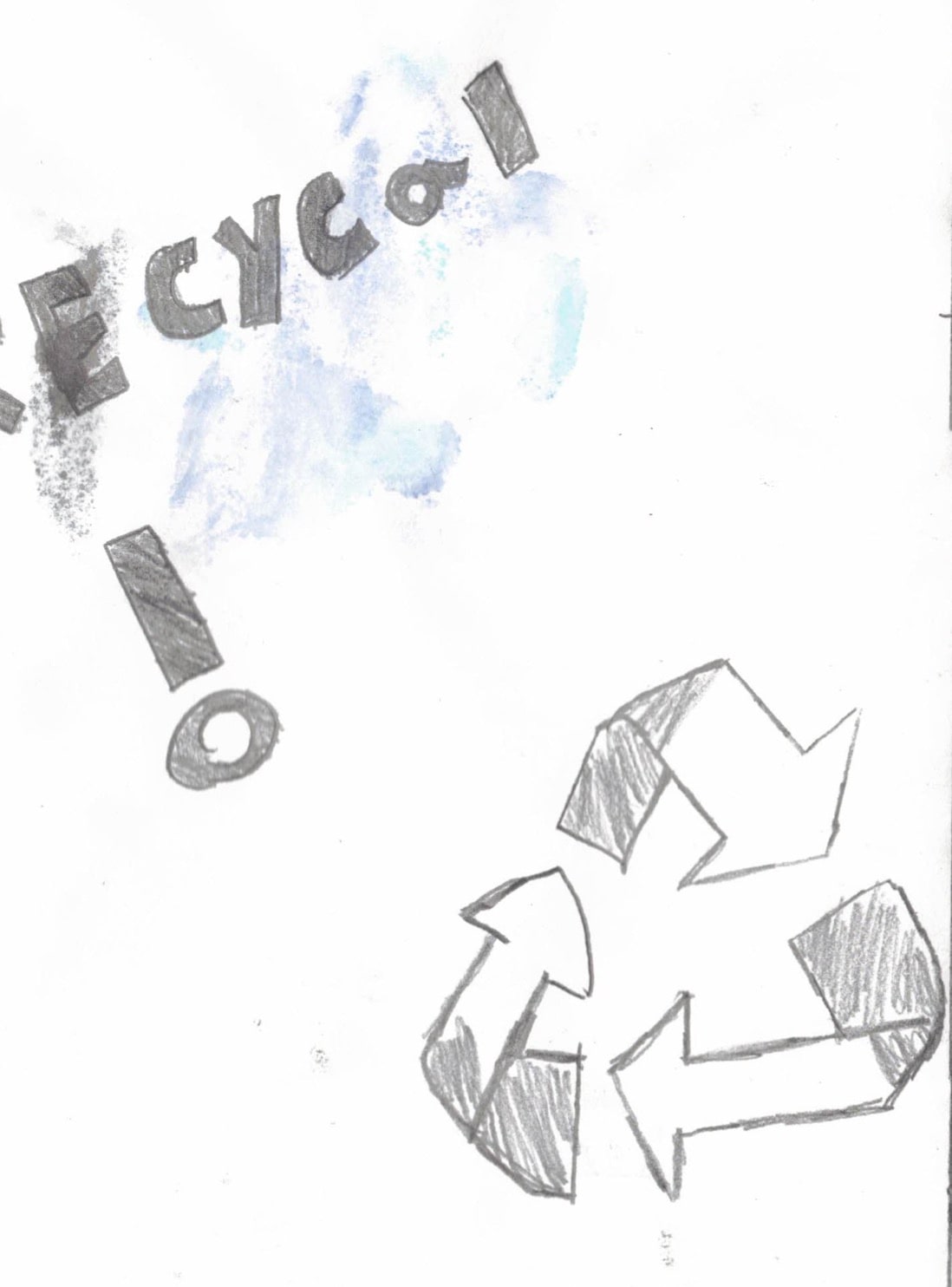
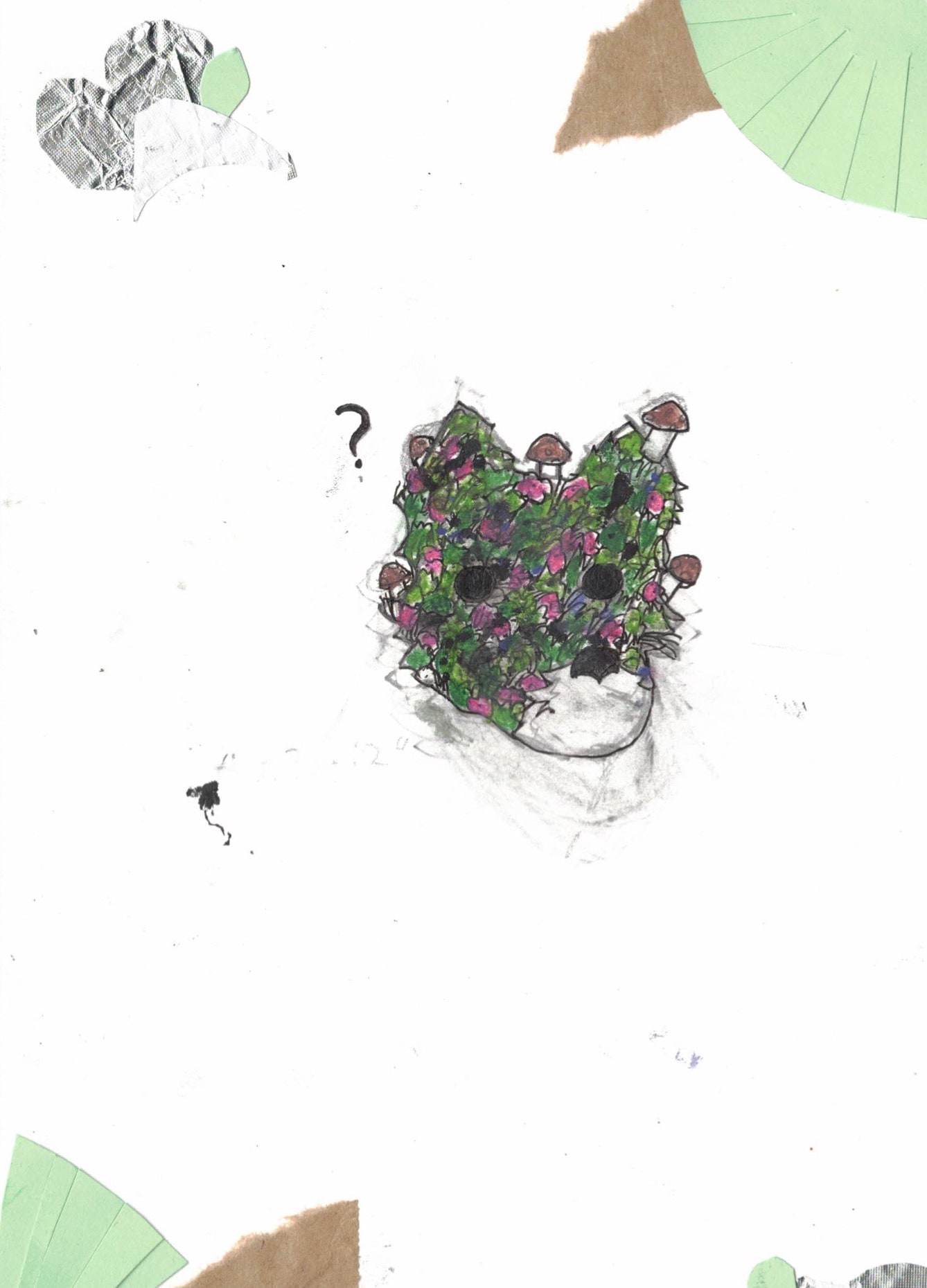
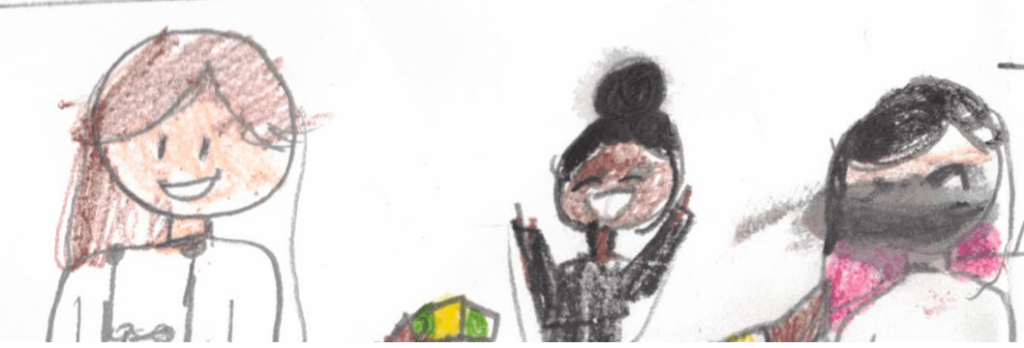
Each student illustrated a creative, heartfelt thank you card to Calder for our Craft in Schools visits– including illustrations which we were green-lighted to web publish. Please enjoy and share this special collection of inspired art! For more of Calder Kamin’s original work, visit her artist website at www.calderkamin.com; or checkout our 3-d virtual tour on Winter 2023-2024’s Spirit of Play Exhibition page.
Student Illustration Gallery
ArtCentron: Stunning Glass Artistry of Two Outstanding Master Glass Sculptors
4/16/24
Read the full article by Kazeem Adeleke on ArtCentron
LOS ANGELES, CALIFORNIA- Transforming glass into exquisite and alluring art requires skill, creativity, innovation, and glass artistry. Currently, the Craft in America Center hosts an extraordinary exhibition that showcases these important elements. Titled Between the Lines, the exhibition highlights the remarkable work of master glass sculptors John Luebtow and Stephen Edwards. It offers a profound exploration of the captivating world of glass artistry from their unique perspectives and techniques.
In addition to showcasing their existing works, Between the Lines features new pieces created specifically for this exhibition. These new sculptures demonstrate the ongoing creativity and innovation of both artists as they push the boundaries of their craft.
John Luebtow is revered amongst his contemporaries for his precision and creativity. His ability to shape molten glass into intricate works of art reveals an exemplary and rare skill. His sculptures often feature intricate patterns and shapes, showcasing his mastery of the glassblowing process.
One of Luebtow’s notable works is “Venus Vitae,” located in Century City, California. This captivating public art integrates glass elements into water features, creating a unique visual relationship between internal and external geometries. At night, when illuminated, the sculpture assumes a spiritual essence, dispelling dark shadows.
Glass Sculpting and the Transmutation of Matter
“Linear Form Series,” is an another important example of Luebtow’s creativity. A Maquette Study for Nestlé/Carnation Commission created in the late 1980s, Luebtow combines wavy glass strands with solid shapes and stainless steel to capture the relationship between light, people, and the environment. This piece reveals not just his deep understanding of form and shape, but also how they exist and interact with their surroundings.
Stephen Edwards approaches glass sculpting with a focus on the transmutation of matter and his medium. He draws inspiration from nature to create massive sculptures that balance structure and fragility. His meticulous process involves using molds carved from styrofoam to cast molten glass, creating surfaces that mimic textures found in nature, such as water ripples and cliff faces.
Vulnerability to Hubris
Edwards’ ability to create exceptional sculptures rich with symbolism is evident in many of the works on display in this exhibition. One of them is “Icarus 2024.” Crafted from cast glass and steel, the sculpture vividly portrays the repercussions of hubris using a saturated red hue. Drawing inspiration from the myth of Icarus, Edwards depicts a figure bursting forth. Adorned with wings on his back, the artist creates the illusion of Icarus poised for flight, heedless of the warnings that his wings, fashioned from wax, will melt if he ventures too close to the sun. The sculpture’s reflection of viewers serves as a poignant reminder of our shared vulnerability to hubris.
Edwards’ impact on the world of glass artistry extends far beyond his own creations. As a teacher and mentor, he has influenced countless aspiring artists, helping to shape the future of the medium. His work can be found in public collections and prestigious institutions around the world, including prestigious institutions. They are in National Art Gallery at the Smithsonian Institution and the Corning Museum of Glass.
Celebrating Glass Artistry of Two Master Glass Sculptors
Between the Lines is a rare opportunity to appreciate the beauty and complexity of glass sculpture through the lens of these two masterful artists. It celebrates their enduring contributions to the world of glass sculpture, inviting viewers to experience the transformative power of art.
The juxtaposition of Luebtow’s precise, geometric forms with Edwards’ organic, nature-inspired sculptures creates a dynamic visual experience. It allows viewers to appreciate the beauty and complexity of glass artistry. Above all, it serves as a poignant reminder of the marvels within the natural world and the transformative power of art.
Fiberart International 2025 Open Call
The open call for the 2025 Fiberart International exhibition will be open through June 30, 2024.
The 25th edition of the Fiberart International will be organized and presented by Contemporary Craft in partnership with Brew House Arts and will be on view at Contemporary Craft, May 30 – August 30, 2025, and at Brew House Arts, June 20 – August 30, 2025.
This call is open to exceptionally talented artists at any stage of their career, who are located within the United States or abroad. All work must be either fiber in content or executed in a fiber technique.
The complete prospectus can be found here.
ArtDaily.com: ‘Between the Lines’ opening reception opens today at Craft in America Center
Original article on ArtDaily.com here.
LOS ANGELES, CA.- The Craft in America Center is opening Between the Lines, a two-person exhibition featuring master glass sculptors John Luebtow and Stephen Edwards. These two maverick sculptors have shaped the field of glass through potent artwork and technical prowess. Constantly innovating, they use glass in ways that defy expectations— bending, casting and cutting it into astounding forms that push the material to its limits. Over the decades, both their intimate and monumental works address relationships with nature, spirituality, and family.
Line is the guiding force shaping the form of each work. Line and form relay philosophical signifiers stemming from the artists’ personal experiences and outlooks. Responding to concepts through abstraction, glass becomes a material for echoing dynamics of the natural world.
This exhibition pairs these two luminaries who are also tied by a teacher/student relationship: Edwards was once a student in Luebtow’s high school art classes. Insatiably curious about process, both artists consistently push the boundaries of technical development and have created significant facilities, both of their own and at institutions. In addition to illustrious art careers, the two masters have been instrumental in creating education programs and facilities in glass, and have taught scores of art students; Luebtow at Harvard-Westlake School in Los Angeles, and Edwards at Alfred University in New York.
With more than a century of knowledge between them, these objects are a glimpse at how these artists create abstract forms with powerful, transcendent ideas about beauty, conflict, tension, nature and existence.
John Luebtow has become one of the most respected names in contemporary glass sculpture over the past forty years. He developed innovative techniques in glass-making, introducing and incorporating gestural and expressive qualities into impeccably finished sculptural components. He holds a BA from California Lutheran College, and two MFAs from UCLA (one in ceramics and one in glass).
Stephen Edwards built one of the largest hot glass programs in the nation at Alfred University, where he taught for 22 years. Prior to that, an early stepping stone was working as an artist-in-residence at the Penland School of Crafts. Near Penland, he established his first private glass studio in Micaville, North Carolina in 1982. Edwards graduated from Illinois State University with a Master of Fine Arts Degree in 1980.
Opening Reception: Saturday, March 9, 3:00–5:00pm PST Artist talk: Saturday, April 27, 3:00pm PST
2024 Winter Highlights: Craft in Schools Field Trips & Partners
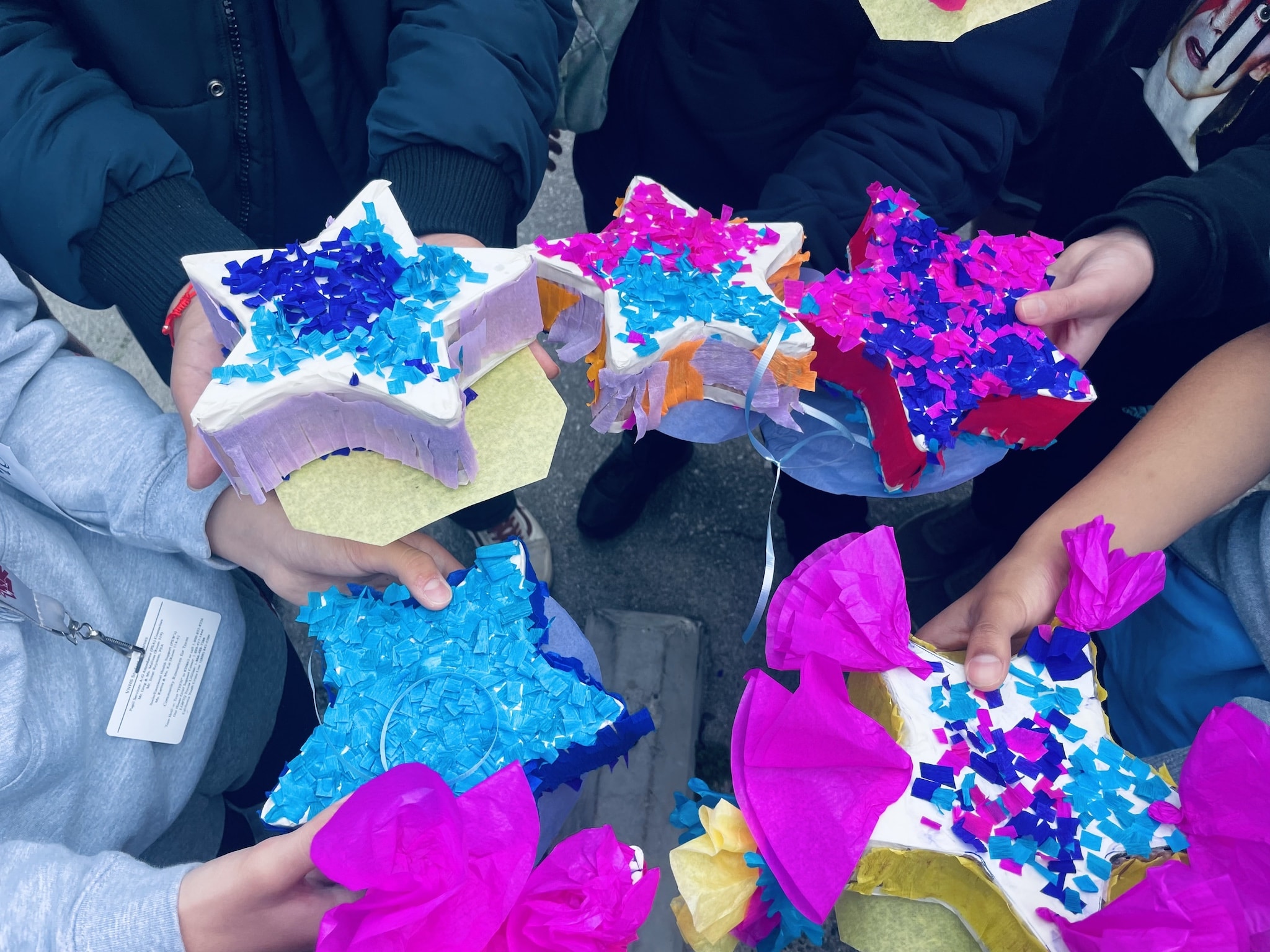
As we round the corner from winter into spring, our Craft in Schools program would like to reflect on our most recent and multimedia season of teaching artist & student programs. Throughout February, over 200 students across five schools learned about and explored the creative potential of puppetry, piñatas, reclaimed, and assemblage art from our Spirit of Play: Craft and Imagination exhibition.
Inspired by our most recent PBS Craft in America featured Play & Miniatures episodes, we connected and engaged these students ages 9-18 with featured teaching artists Lorena Robletto, Calder Kamin, and local artist Eleanor Tullock from the Bob Baker Marionette Theatre.
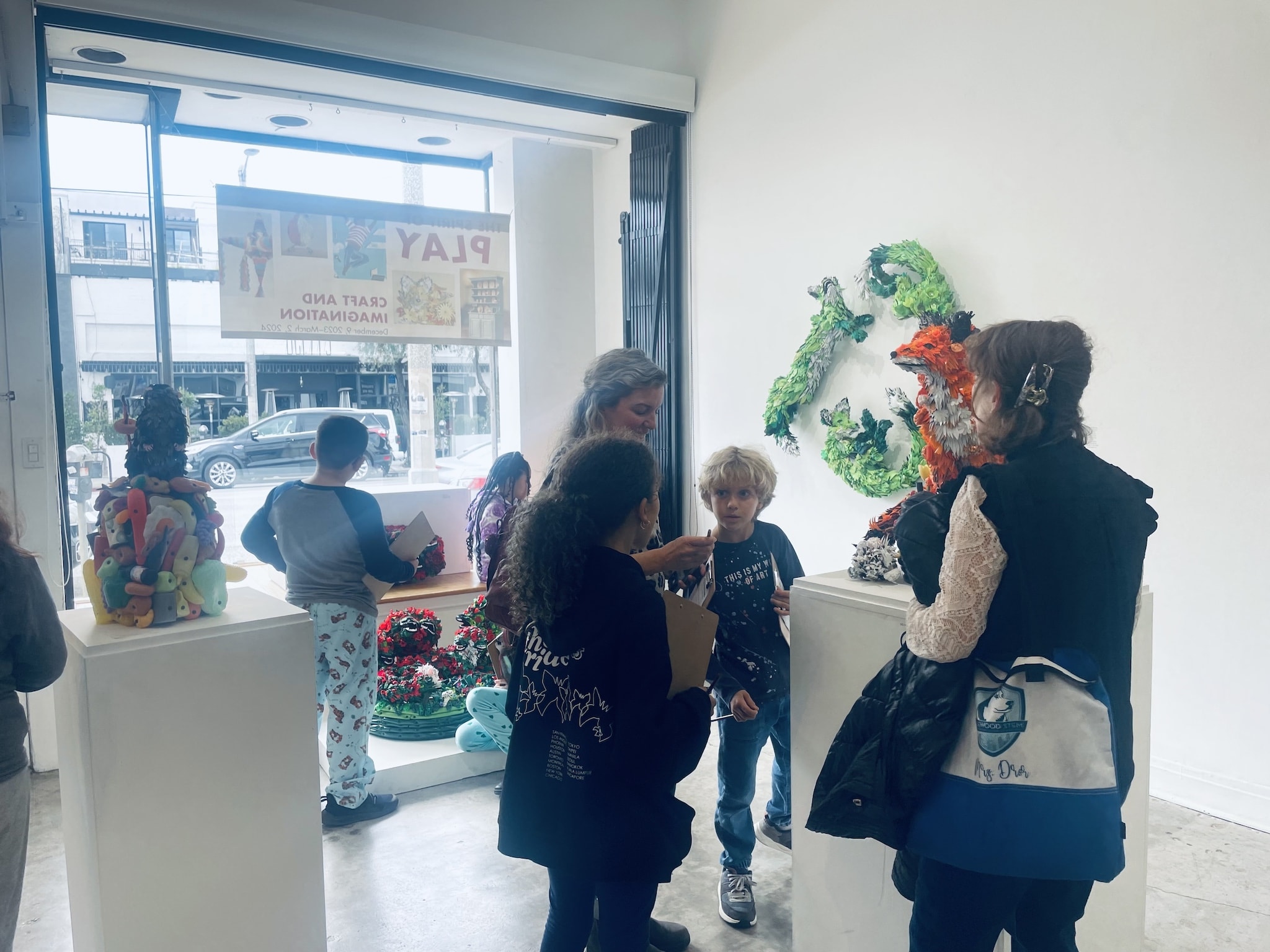
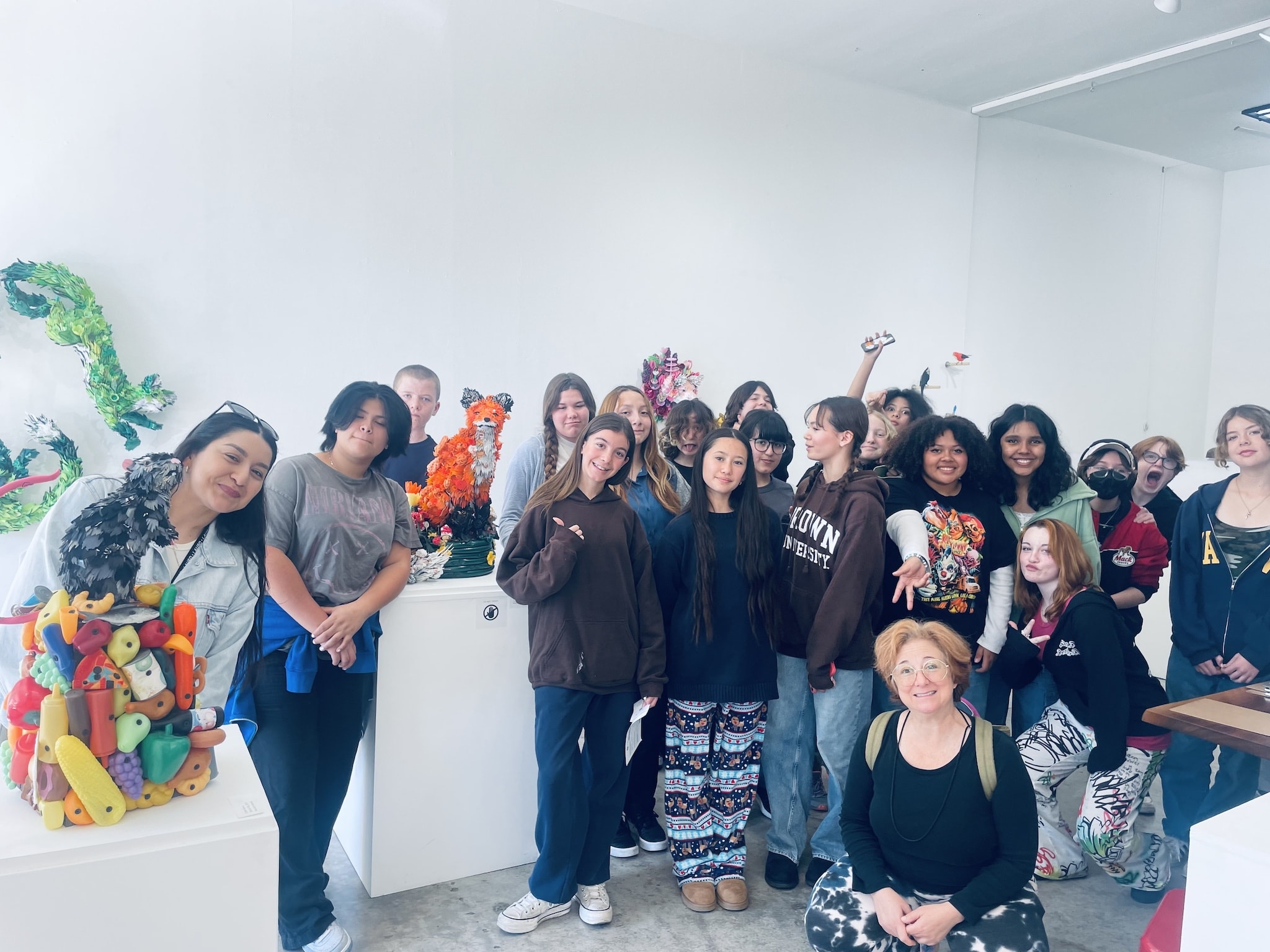
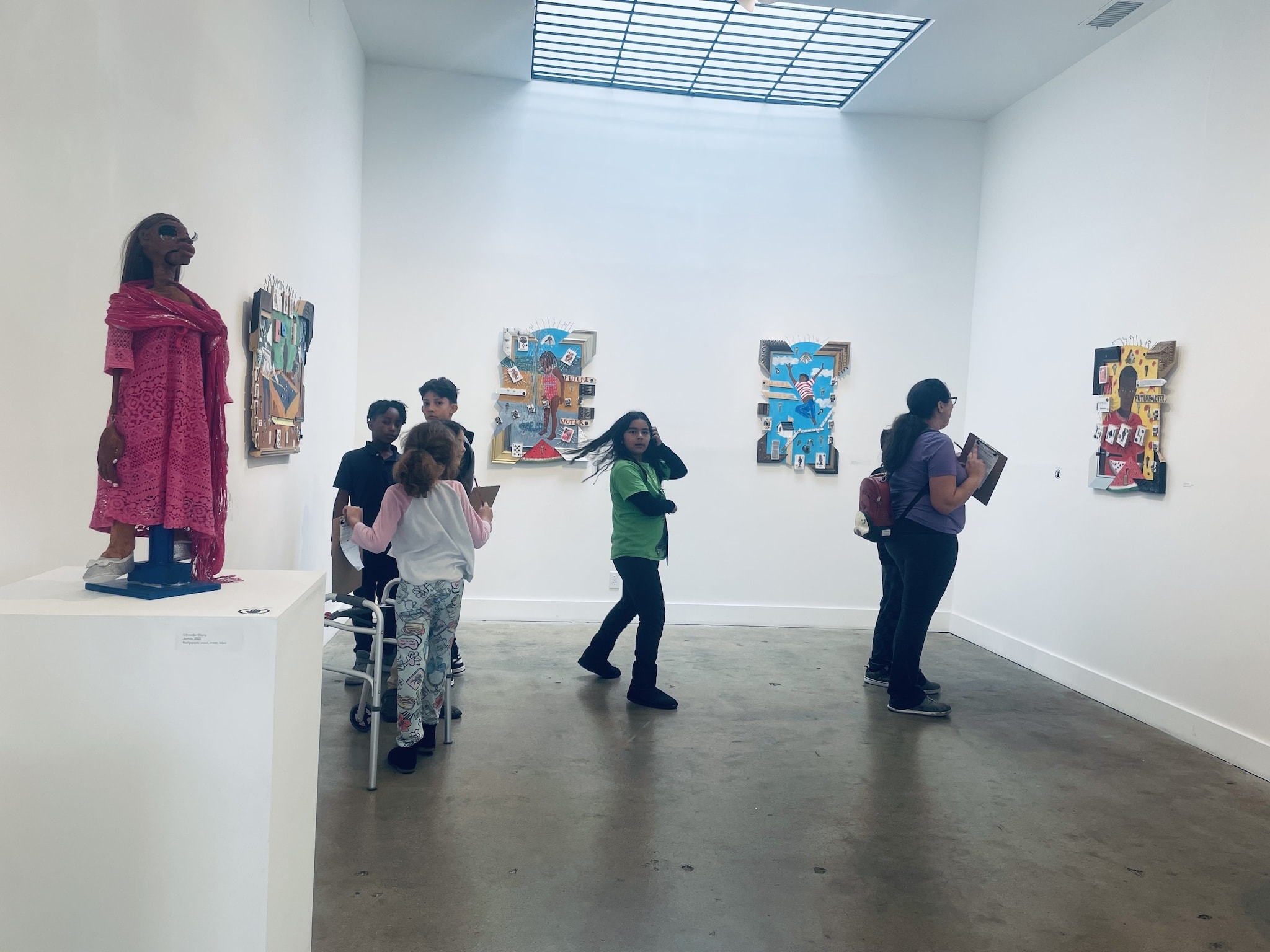
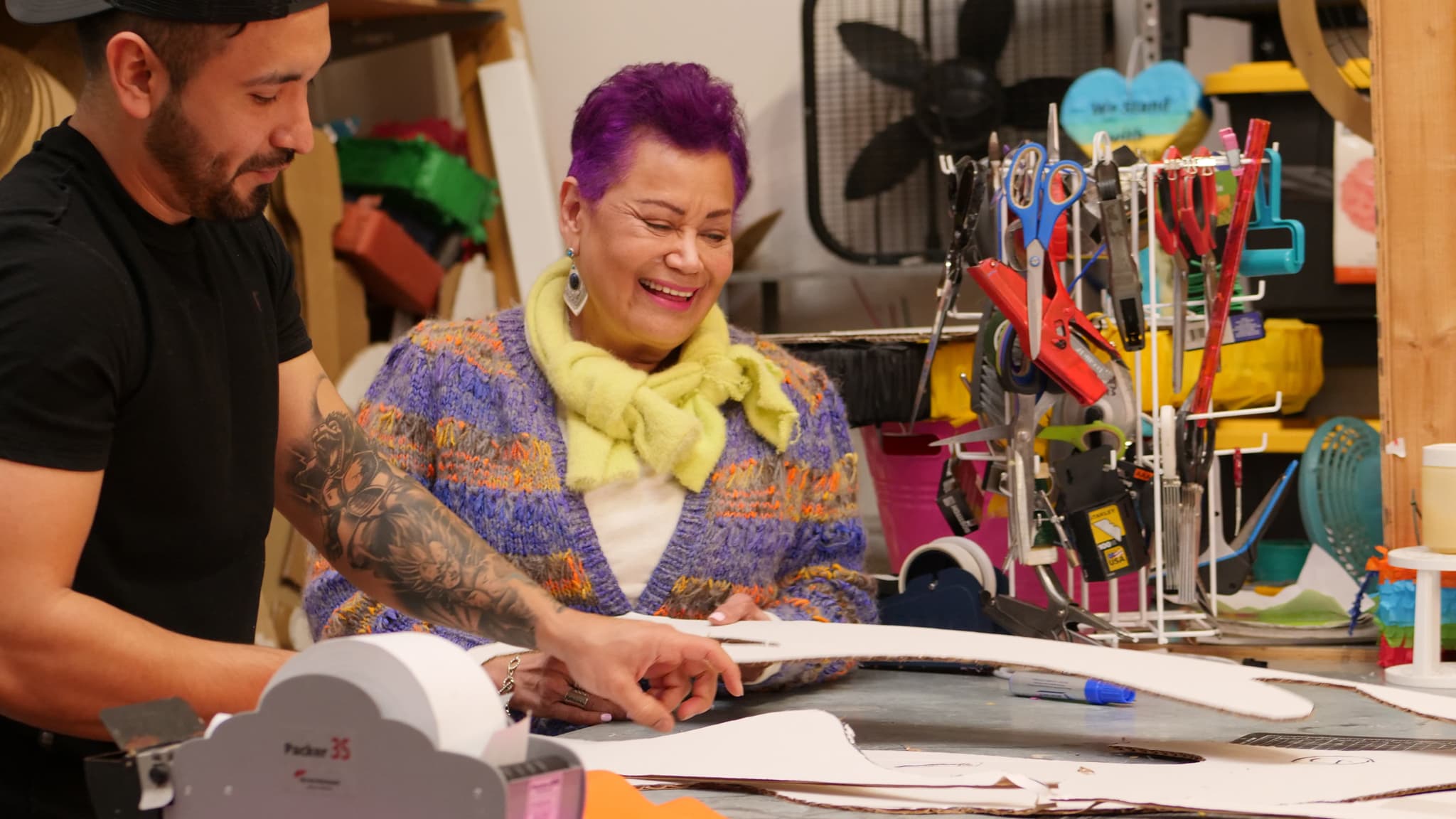
Our gallery visits investigated the environmental impact and hope within reclaimed/reuse art practices, guided by visiting artist Calder Kamin; we had a blast discussing school recycle programs, building out marker-cap jump ropes (pictured below) and exploring how we envision the future based on collective ecological responsibilities. Our curriculum explored poignant historical art related to Black History Month as seen in Schroeder Cherry’s historical puppetry and hopeful Future Voter Series assemblage art. Working with each of these artists was such a treat– full of personal artist-journey insights and messages of creative empowerment.
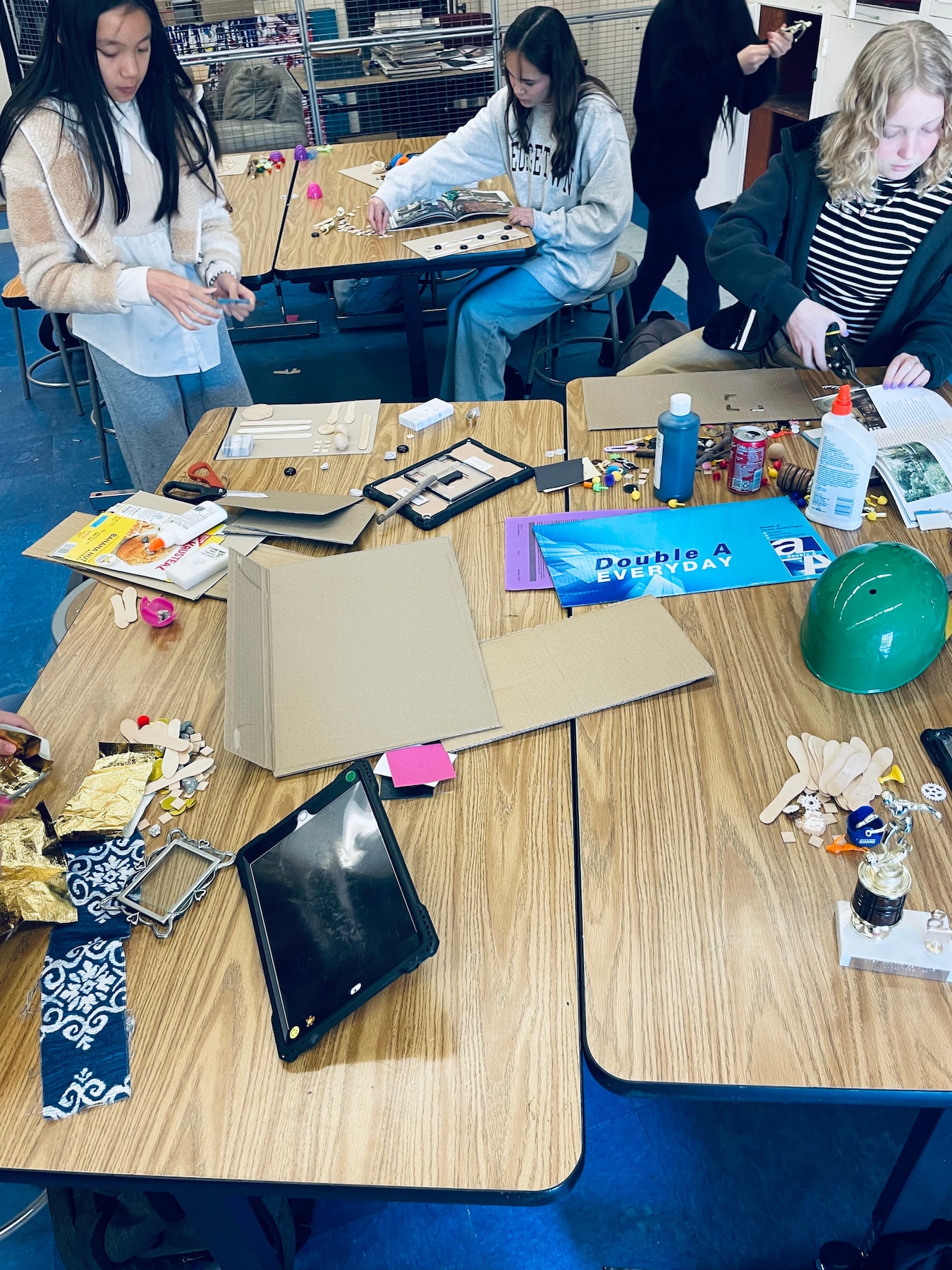
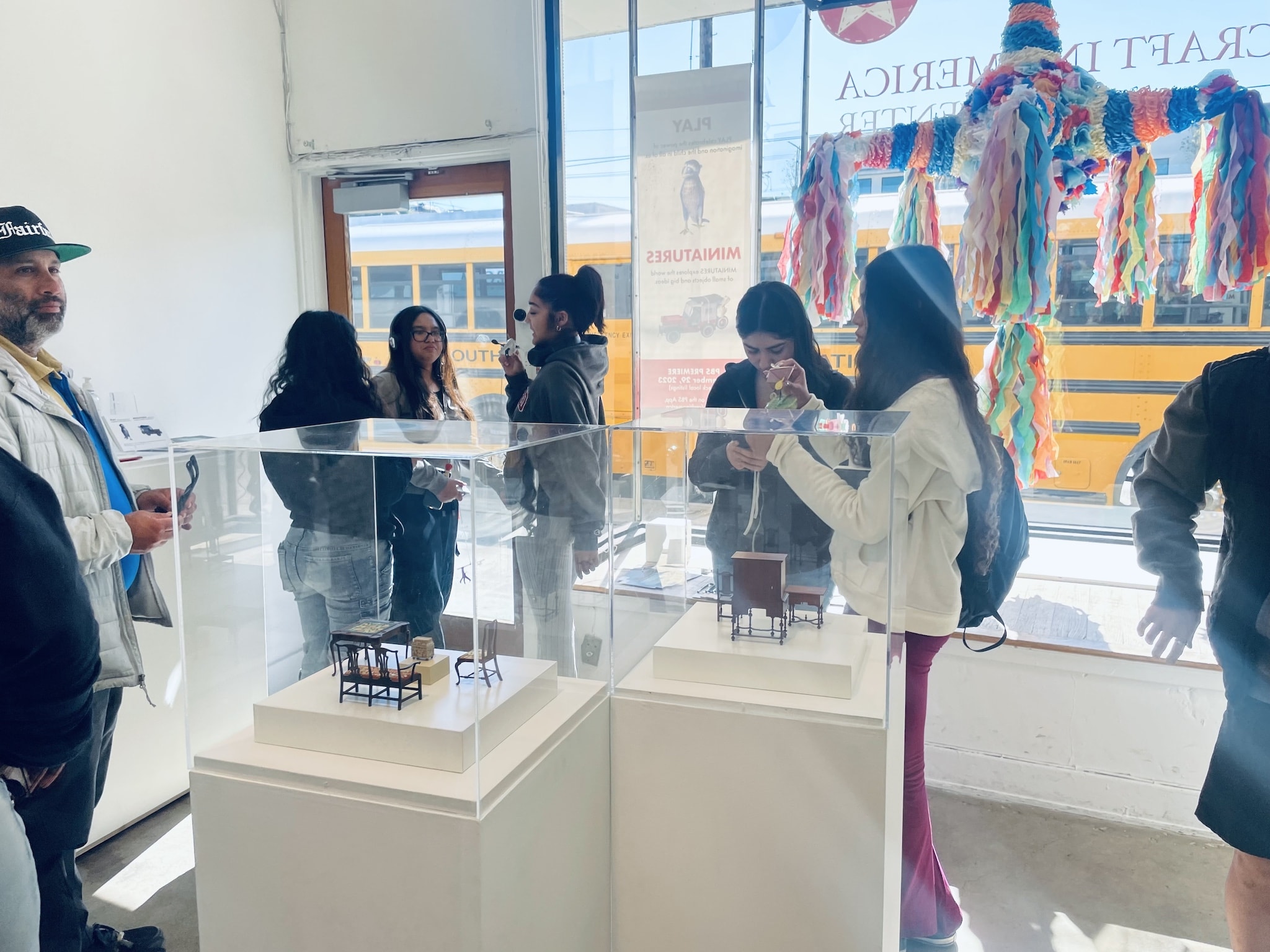
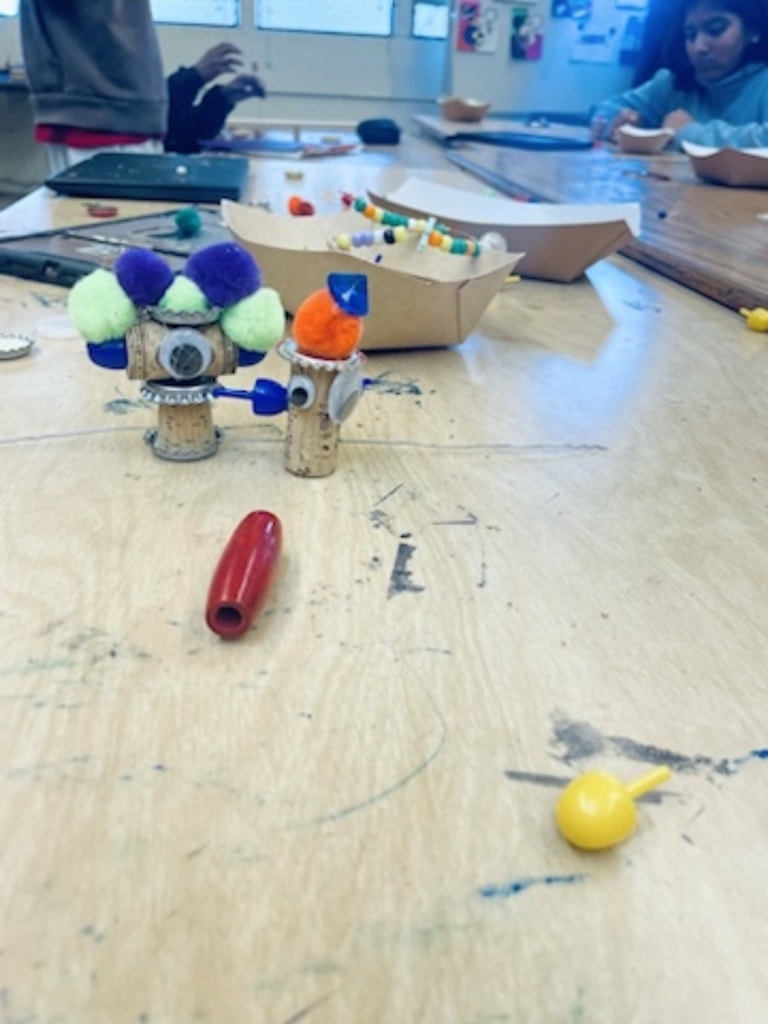
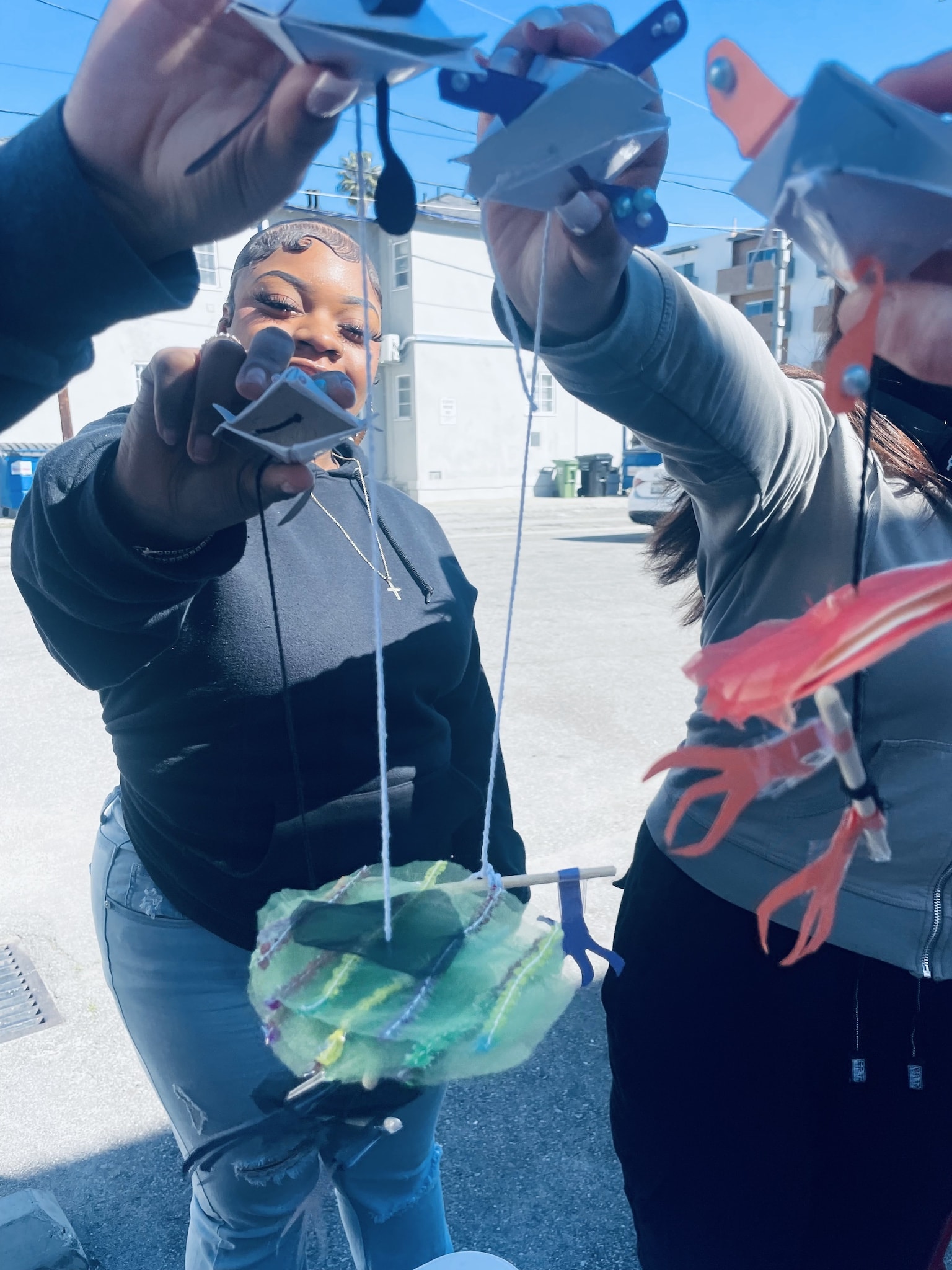
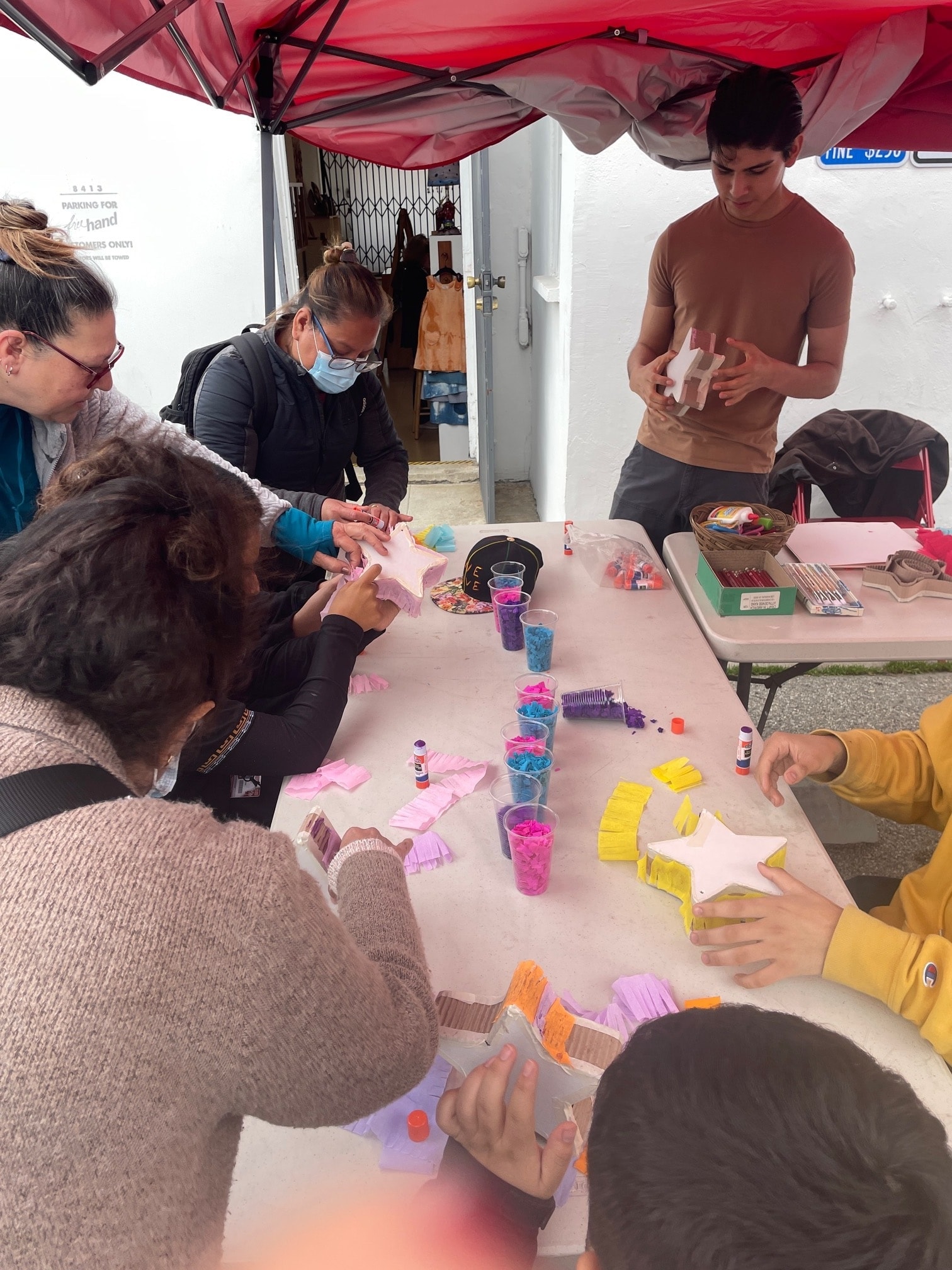
All of us collaborating educators were impressed and delighted in our students’ depth of inquiry, creative innovation, and visual thinking. Special thanks to the following schools teacher and chaperone collaborators at: Rosewood Elementary, Paul Revere Middle School, Palms Middle School, Fairfax High School, and Van Nuys High School.
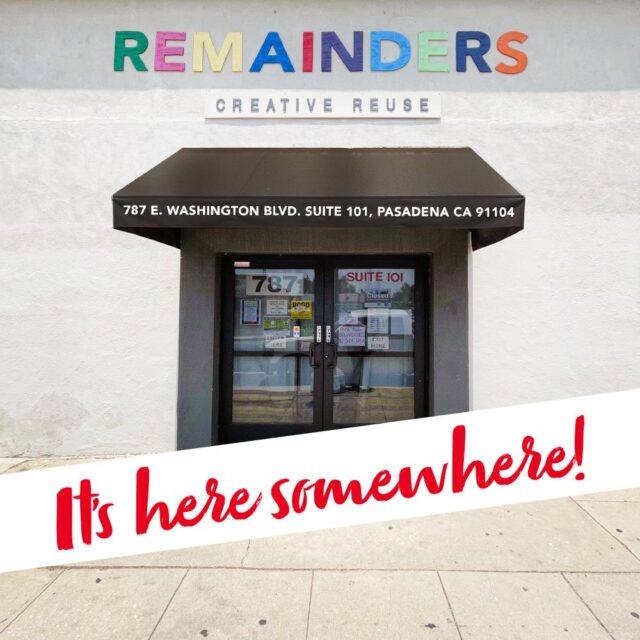
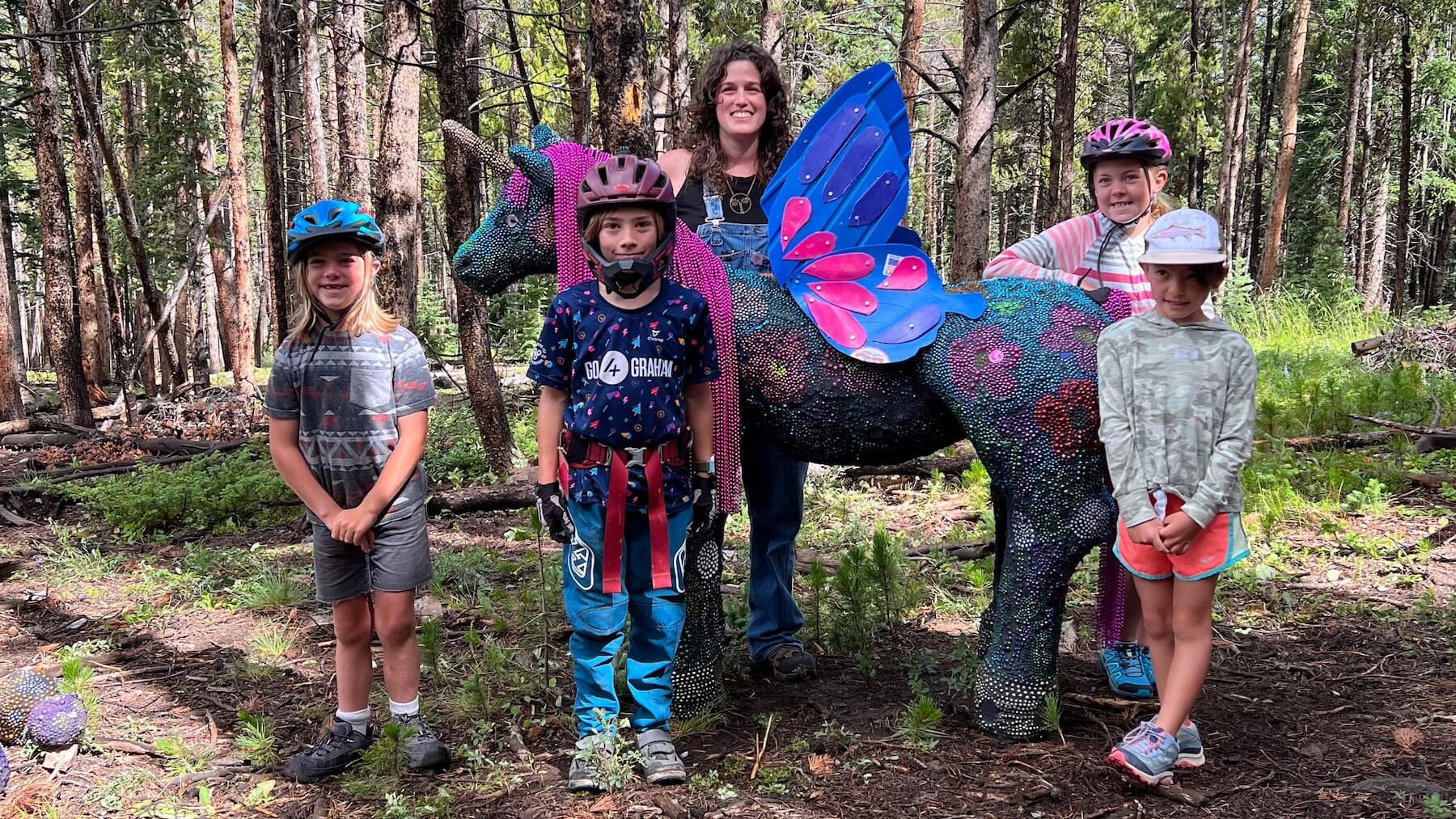
Community Partnerships: Reaching this many students in a whirlwind few weeks wouldn’t have been possible without key community partnerships. Our Craft Center would like to show our biggest thanks to all of our teaching artists and shoutout our wonderful LA-community partnerships with Remainders: Creative Reuse Space & Thriftstore in Pasadena; and Señora Robletto’s Mid-City Amazing Piñatas Creative Studio for donating our assemblage/reclaimed, piñata teaching artists, and piñata workshop materials. Do yourself a favor, explore and connect with these wonderful community shops and studios!
For more information about our Craft in Schools program or teaching artist opportunities, please contact (me) Sam@craftinamerica.org or center@craftinamerica.org
Beverly Press: Craft in America Hosts Two Innovative Glass Artists
3/7/24
Original post in the Beverly Press here.
The Craft in America Center will host “Between the Lines,” a two-person exhibition featuring master glass sculptors John Luebtow and Stephen Edwards from March 9 through May 25.
The two sculptors have shaped the field of glass through their own work and their technological prowess. With a constant desire to create and innovate, they both use glass in ways that defy expectations – bending and cutting to give it shape. They walk the fine line of pushing the material to its limits. Over the decades, they have created work that pertains to their relationships with nature, spirituality and family.
Art begins with the line for both artists. It is the guiding force for shaping the form of each work. Responding to ideas through abstraction, glass is a material for echoing the natural world.
The exhibition pairs the two luminaries, who are also tied by a teacher-student relationship. Edwards was once a student in Luebtow’s high school art classes. Insatiably curious about processes, the artists consistently push the boundaries of technical development and have created significant facilities, both of their own and at institutions. In addition to illustrious art careers, the artists have been instrumental in creating education programs and have taught numerous art students – Luebtow at Harvard-Westlake School in Los Angeles and Edwards at Alfred University in New York.
Los Angeles Daily News: See portraits of Black life, as told by puppets, at new LA exhibit
The new “Spirit of Play: Craft and Imagination” exhibit at Craft in America is running through Saturday, March 2.
2/22/24
Full, original article in the Los Angeles Daily News here.
When puppets speak, people listen, says artist, educator and puppeteer Schroeder Cherry.
Cherry uses puppet play to teach people about the U.S. African diaspora. Organizers of his new “Spirit of Play: Craft and Imagination” exhibit, featured at the Craft in America nonprofit center in Beverly Grove, say that Cherry uses the “disarming quality” of play to both educate and engage viewers. His “family of idiosyncratic characters” tackles topics like the history of slavery, and contemporary life in America as a Black person.
The new Los Angeles exhibit — now running through Saturday, March 2 — showcases realistic-looking puppets and assemblage to educate both children and adults about Black culture and history in the U.S.